Cape Town Accommodation Guide: Where to Stay, What to Expect, and How to Plan Your Visit
Cape Town is a diverse and vibrant base for exploring the Western Cape, offering everything from historic guest houses to stylish boutique hotels. When planning a stay, think about your preferred atmosphere, access to transport, and proximity to the city’s iconic sights. Whether you want panoramic sea views, easy access to the city’s markets, or quiet leafy streets, there are options to suit different budgets and travel styles.
Areas to consider include the historic centre and the V&A Waterfront for convenience and lively dining and shopping options; the Atlantic Seaboard, including Camps Bay and Clifton, for dramatic ocean views and sun-soaked beaches; and the Bo-Kaap and Green Point neighbourhoods, which blend culture, cuisine, and easy access to attractions. For a quieter stay, the southern suburbs and the Constantia Valley offer leafy settings and wine-tasting experiences, while the Atlantic Seaboard provides a mix of resort-style venues and stylish guest houses. If you’re driving or hiring a car, factor in traffic patterns and travel times to popular sites such as Table Mountain, Kirstenbosch, and the Cape Peninsula’s scenic routes.
When choosing accommodation, look for practical amenities that suit travel needs. A reliable Wi‑Fi connection is important for last-minute planning, as is a comfortable bed and quiet rooms for restful nights. Consider whether breakfast is included, and if there is a kitchenette or self-catering options for flexibility. Guest houses and boutique hotels commonly offer personalised service, which can be handy for recommendations on local eateries and niche experiences. Check if the property has secure parking, on-site laundry facilities, and flexible check-in and check-out times. Accessibility features, luggage storage, and supportive hosts can make a big difference for first-time visitors or longer stays.
Transport in Cape Town is varied. The city is walkable in some districts, but a car or reliable rideshare option often provides the most flexibility, especially for venturing to the Cape Point route, Constantia wine farms, or the penguin-filled shores of Boulders Beach. In the city centre, some guest houses offer shuttle services or bike rentals, which can be convenient for short trips to nearby markets or eateries. If you prefer public transport, plan ahead for peak times on MyCiTi buses and consider locations with easy access to main routes. For day trips, many operators arrange guided tours or transfers to the Cape Winelands, the Cape Peninsula, or Robben Island, which can be a stress-free way to see multiple sites in a limited time.
The best time to visit Cape Town depends on what you want to do. Summers (November to March) are warm and sunny, ideal for beaches and outdoor activities, though it can be busier and humid. Autumn (April to May) and spring (September to November) bring milder weather, blooming gardens, and pleasant hiking conditions. Winter (June to August) cools down and can be wetter, but offers quieter streets and excellent value for accommodation, plus the opportunity to enjoy wine farms and indoor attractions. Pack layers to cope with changing conditions, and always have sun protection for daytime sightseeing, even in cooler months.
Typical experiences to plan for include a cable-car or hiking excursion up Table Mountain for panoramic views; exploring the V&A Waterfront with its restaurants and shops; visiting the Kirstenbosch National Botanical Garden; and taking a scenic drive along the Atlantic Seaboard or the Cape Peninsula. For food lovers, Cape Town’s dining scene ranges from casual bistros to modern cuisine, with markets and street-food stalls offering local flavours. In general terms, you’ll find a mix of seafood, wood-fired dishes, and seasonal produce, with many venues prioritising fresh, locally sourced ingredients and sustainable practices. Booking ahead for popular restaurants or sea-view spots can help, especially during peak travel periods.
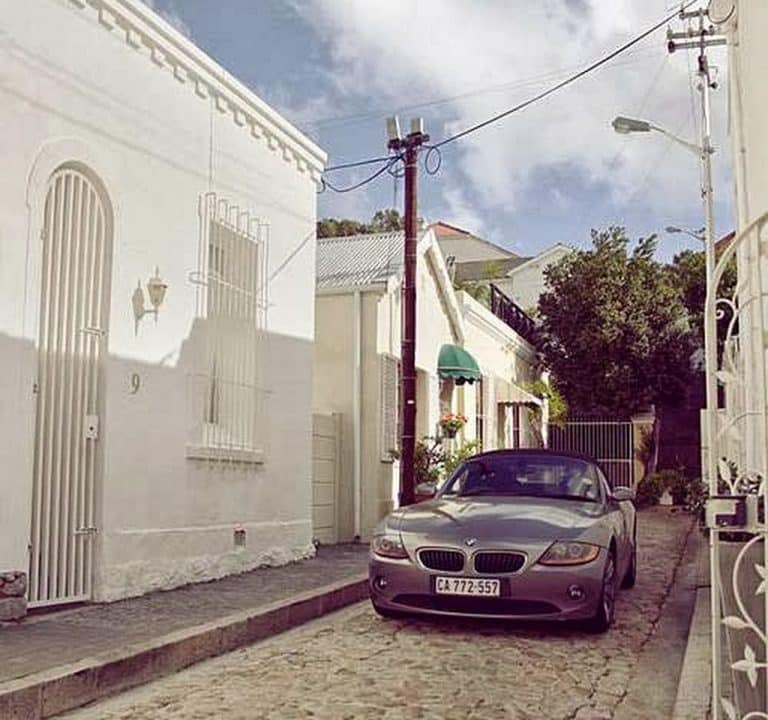
If you’re planning a stay at a guest house such as King Street Accommodation, you can expect a friendly, homely atmosphere with a focus on hospitality. These establishments often provide insights into local culture and offbeat experiences, from neighbourhood walks to style-focused stays in characterful properties. When staying in a guest house, it’s worth asking hosts for bespoke recommendations—whether it’s a hidden café, a coastal path with fewer crowds, or a sunset viewpoint away from the crowds. This personalised local knowledge can elevate a visit beyond the standard tourist route.
- Areas to consider: City centre and V&A Waterfront, Atlantic Seaboard, Bo-Kaap and Green Point, Constantia and the southern suburbs.
- Booking tips: compare room types and cancellation policies, check for breakfast options, assess parking and accessibility, read recent guest reviews for honesty about noise and upkeep.
- Practical planning: plan transport to Table Mountain, Cape Point, and Constantia wine routes; factor time for road traffic and potential delays in peak seasons.
- What to expect on-site: comfortable beds, reliable Wi‑Fi, on-site parking, and attentive hosts or staff who can offer local insights.
Cape Town is a destination where a well-chosen base can greatly enhance your experience. With thoughtful planning around location, amenities, transport, and timing, you can enjoy a memorable stay rooted in genuine hospitality and easy access to both natural beauty and urban delights. For more information and current travel ideas, you can explore official tourism resources or visitor guides linked on reputable accommodation sites.