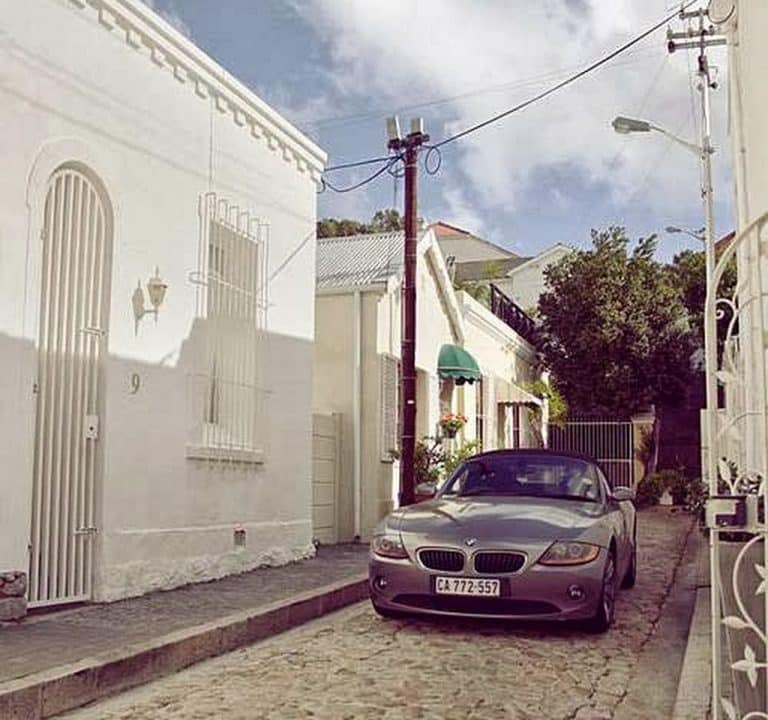
On Kloof and Cape Town: A Practical Guide to Accommodation and Activities
Cape Town offers a rich mix of accommodation options, from elegant boutique hotels and guesthouses to contemporary apartments and family-friendly lodges. When planning a stay, focus on the neighbourhoods that align with your interests and pace, and consider how you'll move around the city to make the most of your time. On Kloof, a stylish address within easy reach of major sights, embodies the blend of historical charm and modern comfort that many visitors seek in the Western Cape.
Neighbourhoods to consider include the Atlantic Seaboard with its sea views and easy beach access, the vibrant inner-city district close to museums and galleries, and leafy residential areas that offer quiet mornings and quick access to Table Mountain’s Cableway. The Atlantic Seaboard tends to be popular for scenic walks, sunset spots, and proximity to beaches, while the city centre is ideal for guests who want to be close to museums, markets, and nightlife. If you prefer a more relaxed base with easy drives to wine routes and nature escapes, consider the southern suburbs or Constantia, where boutique inns and guesthouses frequently offer tranquil gardens and spacious rooms.
When booking, look for several practical features. Good air conditioning or efficient cooling is essential for warmer months, as Cape Town can be hot in summer. Reliable wifi is important for guests who need to work or stay connected, and on-site parking can relieve daily stress if you’re renting a car. A well-run guesthouse or hotel should provide clear check-in procedures, secure access, and friendly, local staff who can suggest routes, eateries, and day trips. In terms of room layouts, consider whether you want a sea-facing balcony, a dedicated seating area, or a compact but well-equipped studio. For families or longer stays, self-catering options with a kitchenette or kitchen access can be particularly convenient.
Typical amenities found in well-regarded Cape Town properties include daily housekeeping, breakfast options ranging from continental to full hot served meals, and common areas such as lounges, libraries, or boutique lounges. Some establishments offer additional perks like curated local guides, secure bike storage, or on-site fitness facilities. If you value sustainability, you may find properties that emphasise energy efficiency, recycling, and water-saving practices. Always check cancellation policies and payment terms, as these can vary between properties and are especially important if travel plans shift.
Transport in Cape Town is an important consideration. A car affords maximum freedom to explore the surrounding winelands, the Cape Peninsula, and the wintry beauty of the Cape’s rugged coastline, but many areas are well served by public transport and ride-hailing services. The MyCiTi bus network can connect you to major sights and city hubs, while some guesthouses arrange transfers or offer guidance on the best routes. If you plan to drive up to Table Mountain and the nearby nature reserves, ensure your accommodation provides secure parking and realistic expectations about traffic and parking in peak season. For shorter stays, choosing a base within walking distance of restaurants, coffee shops, markets, and a scenic promenade can reduce the need for constant car use.
The best time to visit Cape Town blends weather, crowds, and personal preference. Summer (December to February) brings warm days, long coastal evenings, and a lively atmosphere, ideal for beach days and harbour-side dining. Spring (September and October) offers milder temperatures and lush greenery, a great time for hikes without the peak-season bustle. Autumn (March and April) is similarly pleasant, with fewer crowds and comfortable conditions for exploring Cape Point, the Cape Winelands, and the Constantia valley. Winter (June to August) is cooler and occasionally wet, yet many cultural venues and shopping precincts stay vibrant, and the city’s culinary scene continues to shine indoors. Always check the local weather forecast and be prepared for microclimates; a light rain jacket can be useful even in summer.
Attractions and experiences in Cape Town typically fall into several broad categories. Iconic natural landmarks and viewpoints are complemented by cultural institutions, markets, and excellent dining. A day might include a scenic cable-car ride to a prominent summit, time exploring museums or art galleries, and a stroll along harbourside precincts or beachfront promenades. The Cape Peninsula and surrounding nature reserves offer wildlife-spotting opportunities, coastal cliffs, and renowned drives that reveal dramatic scenery. For many visitors, a visit to the Winelands is a memorable half- or full-day excursion, with options ranging from cellar doors and courtyard tastings to guided tours and scenic vineyard lunches. For dining, Cape Town’s restaurant scene emphasises fresh seafood, farm-to-table produce, and multicultural flavours; casual cafés, bustling markets, and refined eateries provide ample choices for all budgets and tastes. For practical planning, consult official tourism resources for suggested itineraries and seasonal events, such as city walking tours, street markets, and neighbourhood neighbourhood-based experiences. More information can be found at regional tourism sites and travel guides online.
To make the most of your stay, start with a practical plan: decide on two or three anchor areas based on your interests, book a centrally located base, and allow time for day trips. Pack light but versatile clothing suitable for changeable Cape Town weather, and bring comfortable footwear for city strolls and hiking. Ensure you have access to a map or offline navigation for areas with spotty signal, and keep a small daypack for excursions. Finally, be mindful of safety basics—stay aware of your surroundings, secure valuables, and use reputable transport options. With thoughtful preparation, your Cape Town stay—whether rooted in historic streets, sunlit coastlines, or vineyards and views—can be a memorable, smoothly run experience.
For further ideas and practical planning, you may wish to explore general travel resources and official tourism pages. These can offer up-to-date information on attractions, neighbourhood highlights, and current visitor amenities. Visit Cape Town’s official tourism portal for inspiration and planning tips: https://www.capetown.travel