Planning a Polokwane Stay: Accommodation and Local Experiences in Limpopo
Polokwane, the capital of Limpopo Province, offers a warm South African welcome with a mix of modern hotels, guesthouses, and self‑c catering options set against a backdrop of grasslands, granite koppies and easy access to wildlife experiences. When planning a stay, it helps to think in terms of location, pace and the type of comfort you value most, whether you are travelling for business, nature, or family time.
Areas to consider when choosing accommodation include the city centre, which provides convenient access to offices, restaurants and market life, and the residential belts around the town such as leafy suburbs and security‑conscious estates that can feel quieter and more relaxed. If you are keen to be close to nature, look for properties near parks or viewpoints that offer easy access to panoramic vistas and outdoor trails. For easy day trips to surrounding game reserves or the Waterberg region, a lodge or guesthouse with on‑site parking and reliable airport or regional transport links can be a wise choice.
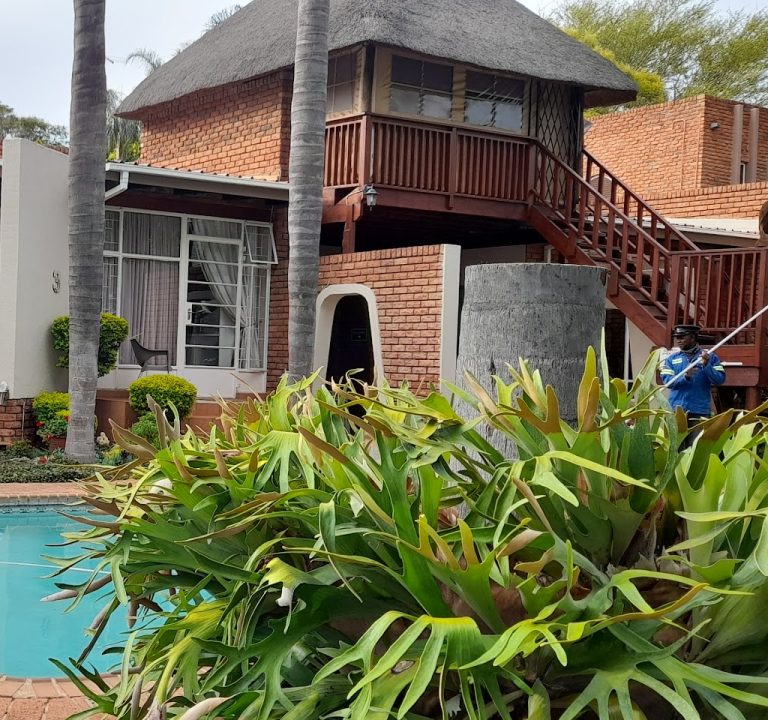
Typical amenities worth checking include air conditioning or good cross‑ventilation for Polokwane’s warm months, strong wi‑fi for work or streaming, a well‑ equipped kitchenette or self‑ catering options, and secure parking. A small on‑site restaurant or breakfast service can save you time, while a pool or shaded outdoor space is a welcome feature for families or travellers seeking a little downtime between excursions. If you are travelling with pets or children, verify house rules and any age restrictions in advance, as some properties in the area are more family‑ friendly or pet‑ friendly than others.
Booking smart involves reading recent guest reviews for insights on noise levels, housekeeping reliability, and the responsiveness of staff. Look for photos that accurately reflect the space, and confirm practical details such as check‑in times, whether late check‑in is possible, and what cleaning regimes are in place. If you prefer a more personalised stay, some boutique guesthouses emphasize character and local service, while larger hotels may offer conference facilities, business lounges and organised tours. Regardless of size, you should clarify what is included in the rate—breakfast, secure parking, and access to common facilities—and whether there are any hidden extras such as service charges or energy‑related levies.
Transport in and around Polokwane is straightforward but planning ahead saves time. The town is served by a regional road network and an airport nearby, with taxis and ride‑hailing services commonly available. If you plan to explore beyond the city core, a rental car gives you flexibility to visit attractions at your own pace. For travellers who prefer not to drive, ask your accommodation about transfer options to popular sights, markets and dining districts. Within town, many attractions are walkable or a short taxi ride away, so choosing a central base can keep travel time to a minimum.
Best time to visit Polokwane is often dictated by weather and the desire to pair urban stays with outdoor experiences. The dry season, typically from May to September, is popular for wildlife viewing and outdoor activities because days are cooler and skies are often clear. The wet season brings lush landscapes and afternoon showers, which can be pleasant for garden spaces and overall scenery, though it may require a flexible schedule for outdoor plans. Consider the timing of local markets and cultural events when you book, and plan to book well in advance during peak travel periods or school holidays.
Practical tips for a smooth stay in Polokwane:
- Pack adaptors and lightweight layers for variable temperatures in the evenings.
- Bring a portable umbrella or sunhat for day trips to outdoor attractions.
- Budget for occasional transfers or tolls if you plan day trips to nearby reserves or towns.
- Check if your accommodation offers airport transfers, or arrange trusted local transport in advance.
- Respect wildlife and nature reserves by following posted guidelines and staying on designated paths.
- Try a mix of dining options to experience a balance of contemporary eateries and traditional fare in safe, reputable venues.
Attractions around Polokwane tend to combine nature, heritage and modern town life. Visitors commonly plan to spend time exploring the surrounding grasslands and viewpoints, with opportunities to learn about the region’s ecology, local crafts and urban markets. In addition to nature drives and quiet strolls, you may find visitor information centres and tourism offices helpful for up‑to‑date recommendations on trails, park times and seasonal events. For a relaxed day, consider market visits, coffee shops with local roasteries and bistro‑ style eateries offering honest meals and regional flavours.
When it comes to dining, Polokwane presents a range of options from casual cafés to more refined restaurants. Plan to sample seasonal ingredients and contemporary takes on traditional dishes, and consider booking ahead for popular spots, particularly on weekends. For a longer stay, a mix of quiet, well‑appointed rooms and social dining spaces can provide both privacy and opportunities to meet fellow travellers.
For more ideas and planning inspiration, you can explore official tourism resources or regional guides that cover Polokwane and the Limpopo Province. These can provide current recommendations on attractions, maps, seasonal events and practical travel tips. A thoughtful, well‑planned stay will blend comfortable accommodation, easy transport, and a sense of discovery in this vibrant corner of South Africa.