Polokwane: Accommodation, Attractions and Practical Tips for Visitors
Polokwane, the capital of Limpopo, blends urban convenience with gateway-style access to South Africa’s northern landscapes. Whether you are planning a relaxed weekend break or a longer exploration of the surrounding wildlife reserves and cultural sites, choosing the right stay and knowing how to move about will greatly enhance your visit.
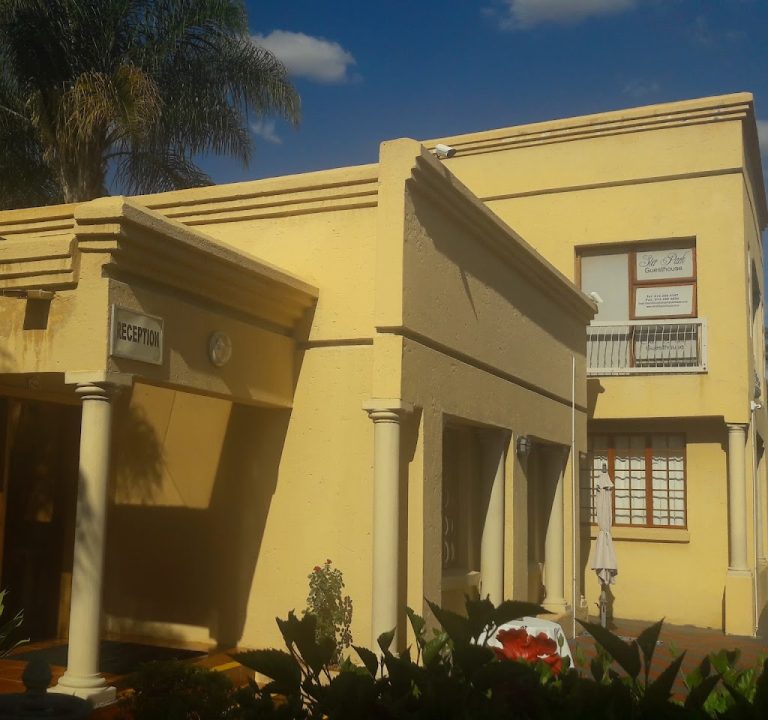
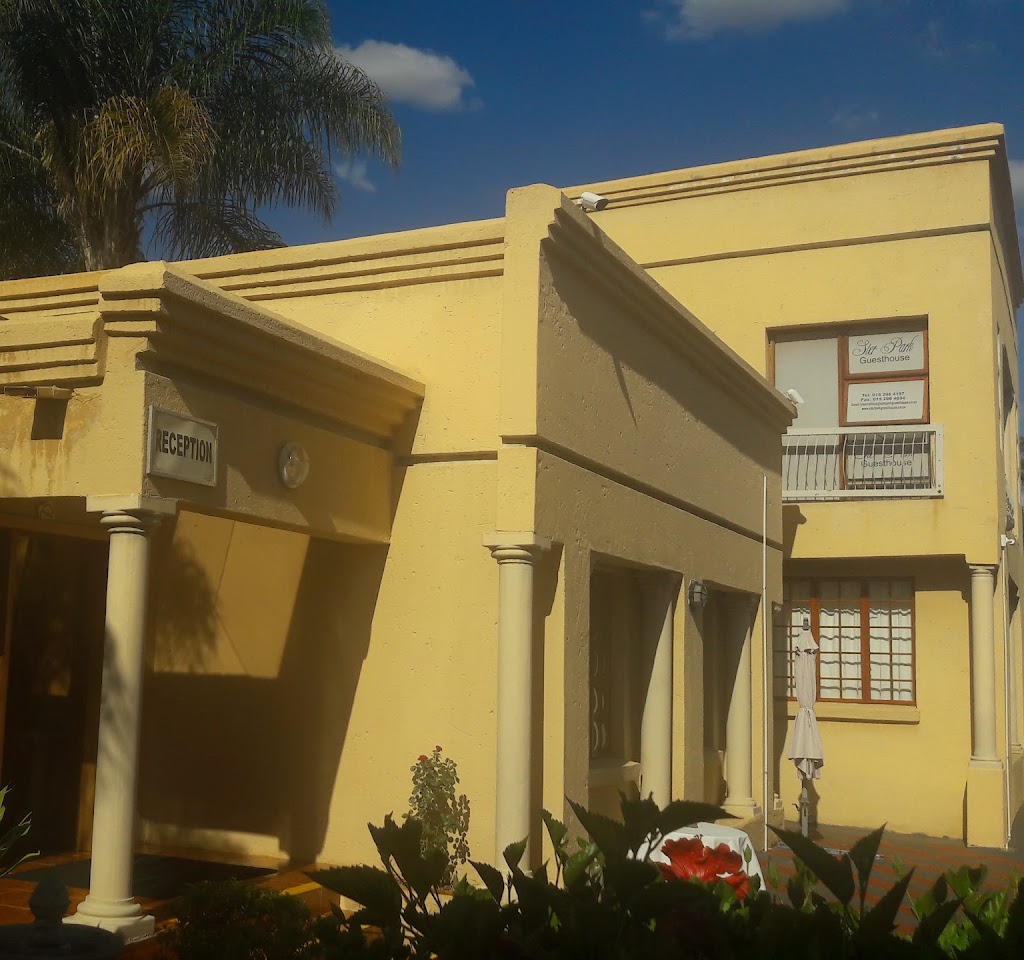
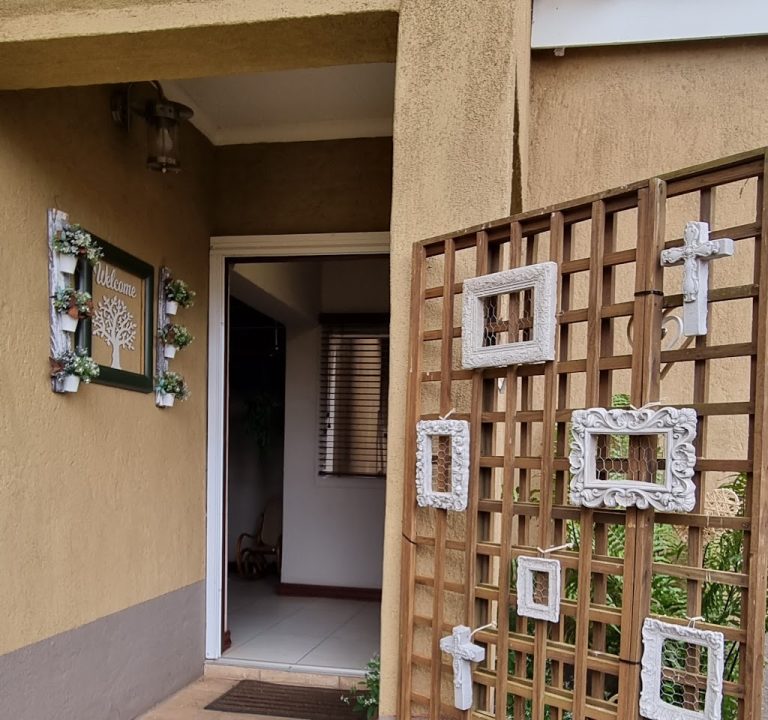
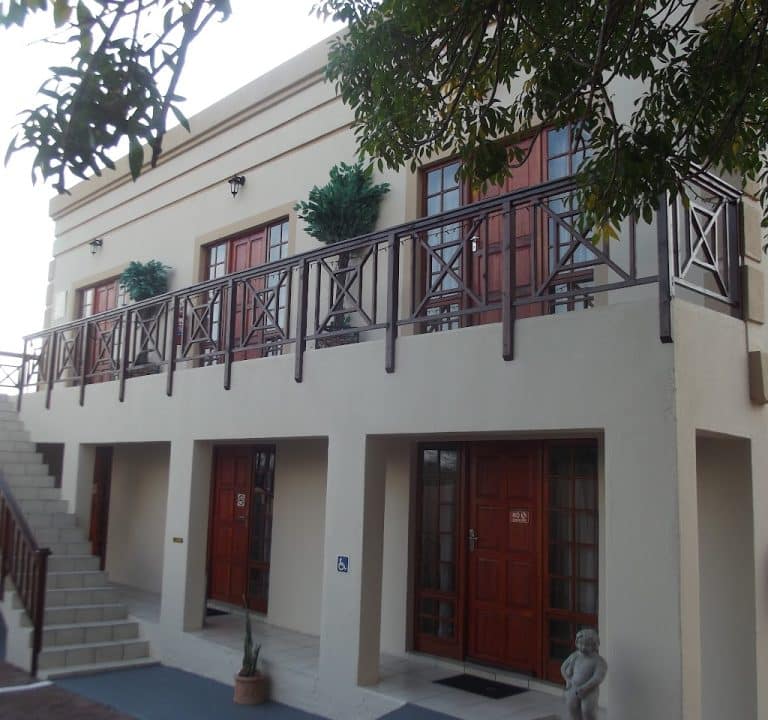
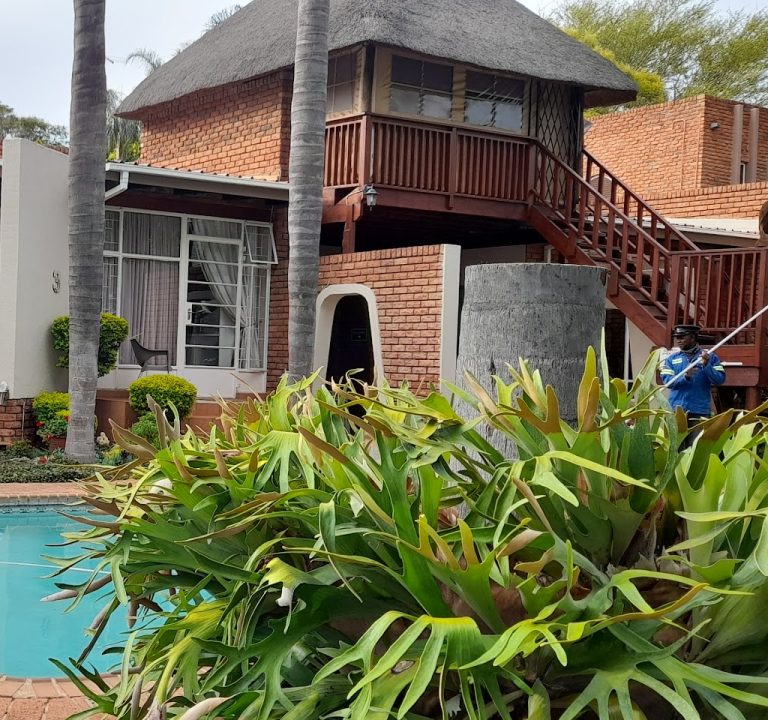
When choosing accommodation, consider which area best suits your plans. The city centre offers easy access to shops, markets and eateries, while suburbs such as Moregloed, Westenburg, Bendor and Flora Park provide quieter residential settings with a range of guesthouses and boutique hotels. If you prefer a hands-on, authentic experience, look for guesthouses or small hotels that emphasise personalised service and local recommendations. A notable option in the guesthouse category is Ster Park Guest House, which tends to offer a comfortable base with a friendly hosts’ touch; details can be found on the property’s website at the link below.
Typical amenities to look for include secure parking, reliable Wi-Fi, air conditioning or ceiling fans (Polokwane can be warm), breakfast options, and a clear policy on housekeeping and front-desk hours. If you think you’ll drive or hire a car, verify that your accommodation has private parking and easy access to major routes. For those preferring a more central vibe, rooms in or near the city centre can reduce the need for long taxi rides or daily transfers.
Booking tips to help you plan:
- Compare distance to your planned activities and attractions, not just price. A short ride from the city centre can save you time during busy periods.
- Check for air conditioning or fans, insect screens, and security measures, particularly if you are visiting during the warmer months.
- Read guest reviews for insights on hospitality, breakfast quality, and noise levels in the area.
- Ask about breakfast service options (self-serve versus full service) and any added costs for extras such as evening meals or late check-in.
- Consider cancellation policies and whether the property offers flexible dates in case plans change.
Transport in Polokwane can be straightforward. If you are not hiring a car, you’ll likely rely on taxis or private transfers from the airport to your accommodation and between sites. For broader exploration of Limpopo, including wildlife reserves and smaller towns, a rental car provides the most independence. The city also acts as a convenient hub for day trips to nearby natural areas and cultural landmarks, which helps to structure your stay around the best times of day for wildlife viewing or photography.
Best time to visit Polokwane generally aligns with pleasant weather and manageable rain. The dry winter months (roughly May through September) are comfortable for exploring outdoors and visiting parks without heavy rainfall, while the warmer shoulder periods can add vibrancy to markets and outdoor dining. If you are chasing birdlife or nature walks, early mornings are often the most rewarding, regardless of the season.
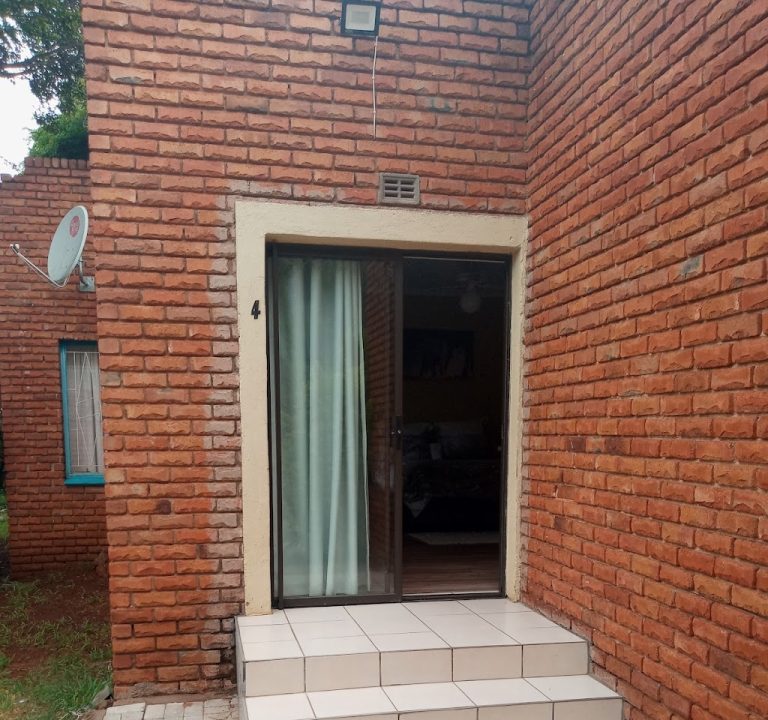
Accommodation in Polokwane typically ranges from well-appointed guesthouses to mid-range hotels and self-catering units. Look for properties that can offer a light meal option or a kitchen for self-catering, which is convenient for families or travellers on a tighter budget. Laundry facilities, pool access, and shuttle arrangements to popular local sites can also add value to longer stays.
In terms of attractions, Polokwane serves as a gateway to a mix of culture, nature and crafts. Within the city, you can expect laid-back markets and museums that celebrate Northern Sotho heritage and contemporary South African life. A short drive away, natural areas and wildlife reserves offer opportunities to observe birds and other springtime fauna, while scenic drives provide a sense of the province’s open spaces. For a rewarding evening, explore dining options that showcase modern African cuisine or fusion menus—many establishments emphasise fresh, locally sourced ingredients and a relaxed atmosphere. It is wise to check opening hours and whether reservations are recommended, particularly at weekends or during peak travel seasons.
When planning meals and day trips, keep in mind practical tips for a smooth stay. Pack light layers for changeable evenings, a hat and sunscreen for daytime outdoor activities, and comfortable walking shoes for market strolls and short nature trails. If you are travelling with children, verify that your accommodation offers family-friendly amenities or extra beds, and enquire about pool safety and supervision if required. For eco-conscious travellers, look for properties that support water-saving practices and waste-reduction initiatives, as well as those that guide guests towards sustainable local experiences.
To explore a vetted option within Polokwane, consider Ster Park Guest House as a potential base. Its website offers further information on facilities, location and guest services: Ster Park Guest House.
Polokwane’s blend of urban amenities, comfortable places to stay and access to Limpopo’s wider natural and cultural offerings makes it a practical and enjoyable stopping point for travellers. By choosing the right area, understanding what to look for in a booking, and planning around transport and seasonal conditions, you can craft a stay that balances relaxation with discovery in this vibrant gateway to northern South Africa.