Polokwane: Where to Stay and What to Do in Limpopo’s Capital
Polokwane, the capital of Limpopo, blends a gateway atmosphere with modern comforts, making it a versatile base for exploring northern South Africa. Whether you’re seeking a restful countryside retreat, a stylish city stay, or a family-friendly lodge, the town offers a spectrum of accommodation options that cater to different budgets and preferences. From intimate bed and breakfasts in leafy neighbourhoods to contemporary hotels and guesthouses near the centre, planning a stay around Polokwane’s varied surroundings can help you maximise your time in the region.
When choosing where to stay, consider the area and what you hope to experience each day. The central and northern parts of Polokwane are convenient for accessing the business district, shopping centres, and the university, while quieter suburbs or country lanes nearby can offer a more relaxed pace and easier access for day trips to natural reserves and parks. If you’re travelling with family or a group, look for accommodation that offers flexible room configurations, self-catering facilities, and safe parking. For couples seeking a peaceful break, small boutique stays or guesthouses with personalised service can be particularly appealing.
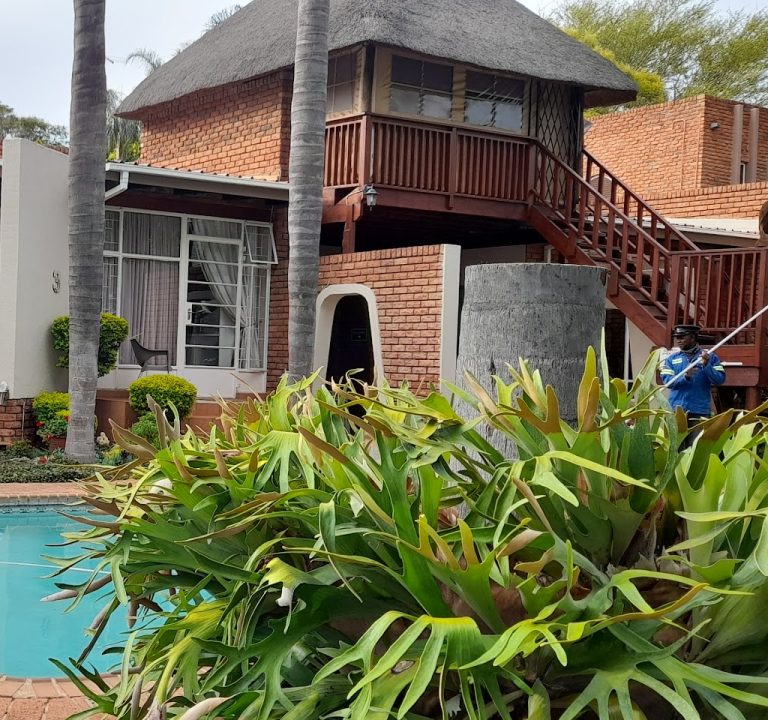
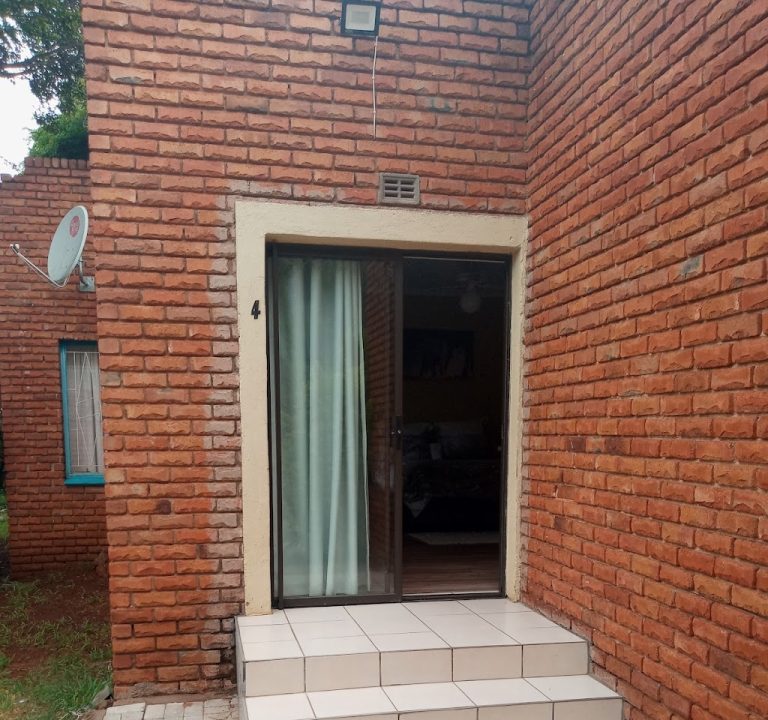
Typical amenities to look for include complimentary breakfast, secure parking, free Wi-Fi, and clean, well-maintained en-suite bathrooms. Some properties may offer additional perks such as outdoor seating areas, a pool, or a garden where you can unwind after a day of sightseeing. If you’re visiting in the hot season, request air conditioning or fans, and check how well the property handles warm evenings. Accessibility is another practical consideration; if you have mobility requirements, verify the presence of steps, ground-floor rooms, and accessible facilities.
Transport in Polokwane is convenient for most visitors, with taxis and rideshare services readily available. If you plan to venture beyond the city to nearby nature reserves or cultural sites, a car offers the most flexibility. Some accommodation options provide airport or local shuttle arrangements, which can simplify transfers, though it’s wise to confirm timing and fees in advance. If you prefer not to drive, choose a stay that is close to major roads or within a reasonable distance of the central business district and major attractions.
Best time to visit Polokwane is influenced by the climate and events. The region experiences warm to hot summers with potential thunderstorms, and cooler, drier winters. The dry season can be ideal for outdoor activities and wildlife viewing in nearby reserves, while the shoulder seasons offer pleasant weather for city sightseeing and dining out. If you’re hoping to align your trip with local markets or cultural happenings, check calendars ahead of time, as many events take place in and around the city-centre.
Accommodations in Polokwane often provide easy access to a range of attractions and experiences, from informal markets and eateries to nearby parks and nature reserves. In general terms, you can structure a stay around a few well‑defined activities: a relaxed morning in a café-lined district, a self-guided stroll through local architecture and parks, a day trip to a wildlife or nature reserve, and an evening enjoying dining options that showcase Limpopo’s culinary influences. Many visitors also plan a visit to nearby agricultural or cultural areas to learn about local landscapes and traditions in a respectful, low-key way.
Restaurants in Polokwane tend to offer a mix of traditional South African flavours and contemporary dining concepts. Expect a selection of hearty meat dishes, regional produce, and international influences, with menus that cater to a range of tastes and budgets. For a balanced trip, aim to pair your hotel or guesthouse stay with a couple of favoured dining spots discovered during your explorations, rather than packing too many meals into a single day. A mix of casual eateries and more refined venues can make evenings varied and enjoyable, especially when you’re returning from a day of discovery.
Practical planning tips for a smooth stay:
- Book with flexibility where possible, especially in peak holiday periods, and read recent guest reviews about cleanliness, service, and noise levels.
- Communicate any special requests in advance, such as dietary needs, late check-in, or accessibility requirements.
- Check transport arrangements, distance from the city centre, and the availability of on-site parking or shuttle services.
- Pack lightly but bring essentials for changing weather and outdoor activities—hat, sunscreen, a light rain jacket, and comfortable walking shoes.
- Plan a balanced itinerary that includes both cultural experiences and time to simply unwind in a garden or pool area.
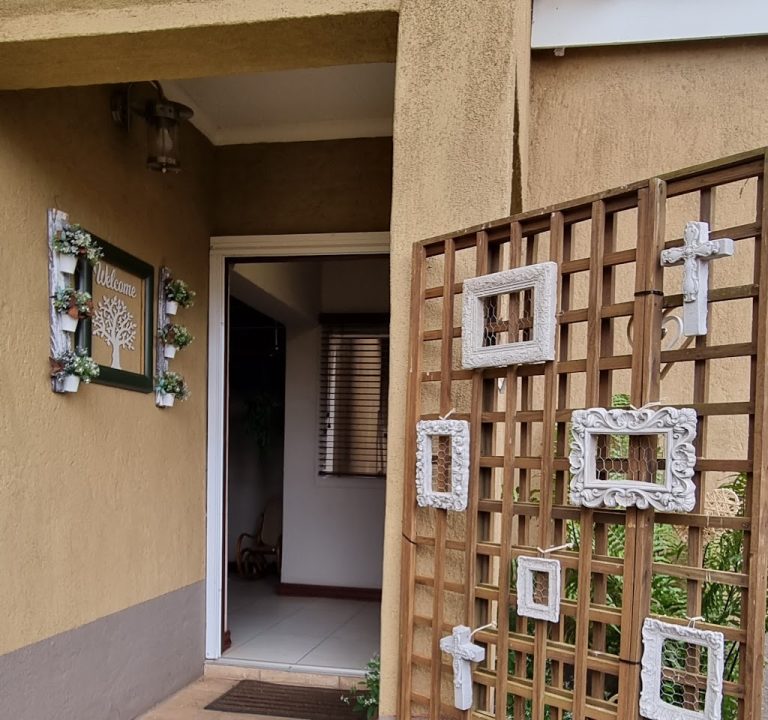
For those seeking a local character, consider staying in a modest bed and breakfast or a guesthouse that emphasises personalised service and a home-like atmosphere. A well-situated option may offer a sense of place through thoughtful touches, such as a shared lounge, a garden seating area, or recommendations from hosts about nearby trails, museums, and markets. While the precise character of each property varies, many are proud of their proximity to the city’s theatres, markets, and green spaces, while still offering the comfort and attentiveness of a smaller operation. If you are exploring an area such as Die Rooi Windpomp, a stay that emphasises regional charm can provide a convenient, characterful base for your Limpopo explorations.
In summary, Polokwane makes a practical entry point for Limpopo’s northern experiences. By selecting an accommodation that suits your pace and preferences, planning transportation thoughtfully, and pairing your stay with a balanced mix of sights, dining, and downtime, you can enjoy a satisfying, well-rounded visit. For more information, you can explore local tourism resources and the websites of individual properties to tailor your booking to your itinerary and interests.