Where to stay and what to do in Polokwane, Limpopo
Polokwane, the capital of Limpopo, blends year-round sunshine with a relaxed urban rhythm and easy access to the Province’s wildlife and landscape. When planning a stay, travellers often weigh location, comfort level and practical access to transport and activities. The city offers a range of accommodation types, from centrally located hotels to guesthouses and boutique lodges on the city’s outskirts. For visitors researching options, it helps to think about the pace of your trip: do you want quick access to restaurants and shops, or a quieter base from which to explore the surrounding scenery?
Areas to consider when booking include the city centre, where many hotels and guesthouses put you within easy reach of shops, markets and business services. Central stays tend to be convenient for day trips into the nearby suburbs and for short transfers to the airport or main highways. Suburban and countryside-adjacent options, including lodges and guesthouses on larger plots, can offer more space, generous gardens and a sense of respite from town while still being reachable by car or taxi. If you are travelling with family or a group, look for properties with family rooms, quiet courtyards or safe parking, as well as self-catering facilities or kitchenettes if you plan to prepare meals.
When choosing accommodation, consider the following features. First, comfort and cleanliness are paramount, especially in hotter months when rooms should have dependable ventilation or air conditioning. Second, assess the availability and reliability of parking, which is often a priority for visitors renting a car. Third, check whether the property offers breakfast or has a communal kitchen, as this can influence daily routines and costs. Fourth, confirm access to reliable Wi‑Fi, since many guests rely on it for planning day trips or communicating with loved ones. Finally, inquire about security measures such as fencing, lockable rooms or 24-hour reception, particularly for travellers staying in less central locations.
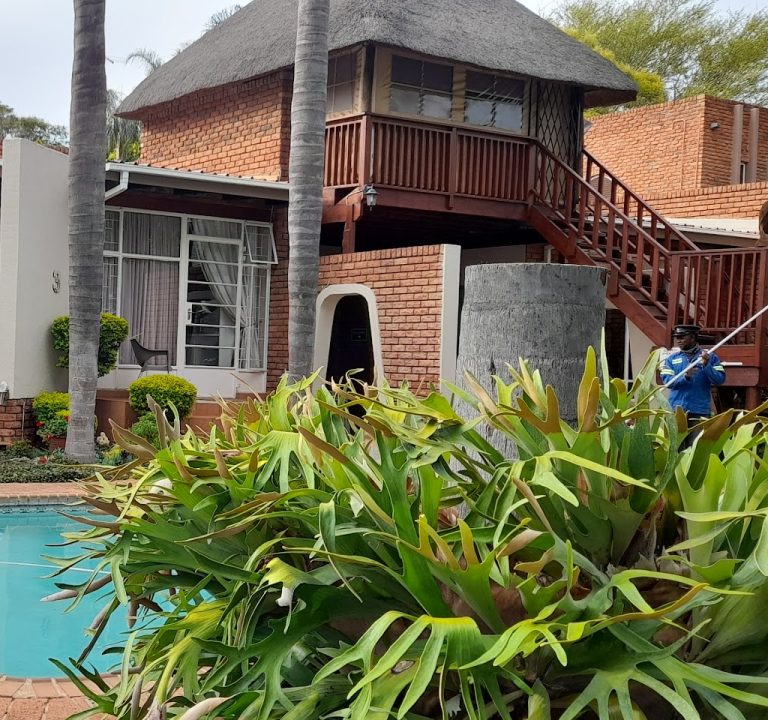
Typical amenities you may encounter include en-suite bathrooms with reliable water pressure, air conditioning or fans, welcoming common areas, secure on-site parking, and often a pool or shaded patios for hot Limpopo weather. A number of properties provide in-room workspaces and charging facilities for devices, which is useful for guests who mix business with leisure. If you are keen on a more personalised stay, consider smaller establishments or independently owned guesthouses where hosts can share local tips on dining and day trips, making your visit feel more grounded in Polokwane’s community.
Transport in Polokwane is generally car-friendly. If you plan to explore beyond the city, having a rental vehicle is advantageous for visiting nearby reserves, viewpoints and markets. The roads are typically well maintained, but it helps to have a reliable map or GPS and to plan driving times around local traffic patterns. For those who prefer not to drive, some accommodation options can arrange airport transfers or local taxi services, and a few might be within walking distance of main commercial areas.
Best time to visit Polokwane depends on personal preferences. The city has a warm climate, with hot summers and mild winters. For outdoor activities and safaris in the region, the dry season often offers clearer skies and more comfortable wildlife viewing conditions in surrounding parks. If you enjoy markets, wildlife experiences and open-air dining, plan for the cooler months or shoulder seasons when temperatures are pleasant for long days out. Remember that air travel routes and domestic flights can influence timing, so check flight schedules in advance and allow time for transfers if your stay is part of a broader itinerary.
In terms of experiences, guests can expect a mix of urban culture and nature. Within Polokwane, you’ll find markets, museums and artful public spaces that reveal the city’s heritage and contemporary life. Outside the city, nature reserves and open landscapes offer opportunities for wildlife spotting, birdwatching and scenic drives. Dining options range from casual eateries to more refined restaurants serving local South African flavours and international favourites. When planning meals, you might choose properties with on-site dining or convenient access to nearby cafés and eateries, which can be a practical option after a busy day of sightseeing.
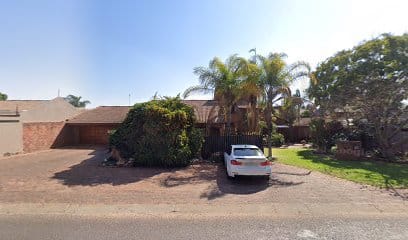
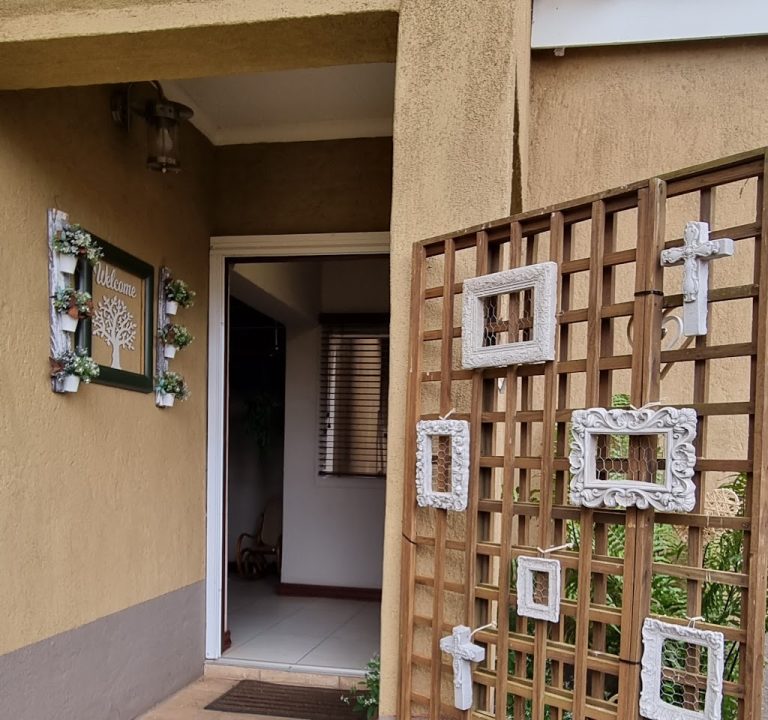
If you are researching accommodation in the area, consider examples of locally owned hotels or guesthouses that provide a personal touch and a sense of place. For instance, a property such as Arli Gastehuis (representing the type of locally led accommodation you might encounter in Polokwane) can illustrate the value of homely spaces, friendly service and thoughtful amenities. Always review recent guest feedback for cleanliness, service quality and consistency, and look for properties that clearly state policies on breakfast, check-in times and any access limitations for guests with mobility needs.
- Check distance to the attractions you plan to visit and the convenience of nearby eateries.
- Ask about parking, security and accessibility to ensure a seamless stay.
- Look for flexible booking policies and clear information on breakfast and housekeeping.
- Plan day trips with a rough timetable to maximise your time in the area.
- Book in advance during peak seasons to secure preferred areas and better rates.
Finally, while many visitors come to Polokwane to explore Limpopo’s wider landscapes, staying in well-chosen accommodation with practical amenities can make a big difference to your experience. By prioritising location, comfort, transport options and local insight, you can craft a stay that blends city convenience with a gateway to the region’s natural beauty.