Polokwane: where to stay, what to do and how to plan your visit
Polokwane, the capital of Limpopo, blends modern South African charm with access to spectacular landscapes, nature reserves and a welcoming hospitality scene. When planning a stay, consider the city’s varied neighbourhoods and the shorter drives to neighbouring attractions. The core of Polokwane offers a concentration of guest houses, boutique hotels and self-catering options, while suburbs such as Bendor and Fauna Park provide a quieter base with easy access to major roads and shopping centres. For a more rural flavour, some lodges and guest houses sit on the edge of the city, offering a peaceful retreat after day trips.
Areas to consider when booking
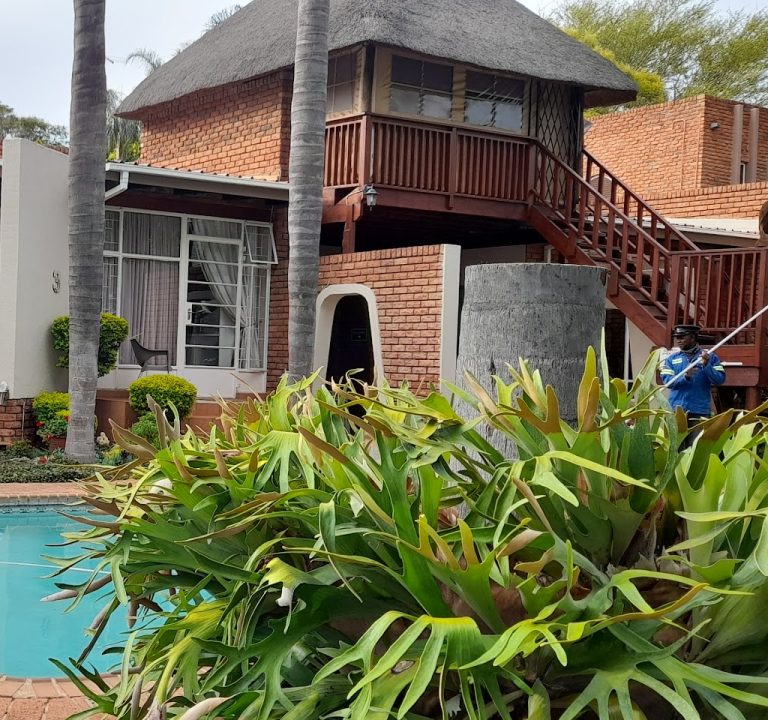
Central Polokwane (the city centre) is convenient for guests who prefer a short stroll to eateries, markets and practicalities such as banks and transport hubs. It suits travellers who appreciate walkable amenities and quicker access to business or conference facilities. Bendor, a popular suburb among visitors, offers leafy streets, gated guest houses and a calmer ambience, often with secure parking and privacy. Fauna Park and Westenburg present family-friendly options with spacious grounds and room for children to roam. If you plan to hire a vehicle, choose accommodation with on-site parking or straightforward access to major routes to nature reserves and surrounding towns.
What to look for when booking
- Location relative to your planned activities—settle near the sites you intend to visit most to minimise driving time.
- Type of accommodation—guest houses, boutique inns and small hotels can offer personalised service and local insights; self-catering apartments give flexibility for meals.
- Amenities—air-conditioning for hot months, secure parking, reliable wifi, a-c breakfast options, and on-site dining or easy access to nearby cafés.
- Guest safety and privacy—gated entrances, well-lit walkways and staff available for assistance can enhance a sense of security.
- Transport access—proximity to main routes and, if you rely on public transport, nearby taxi or car hire services.
- Reviews and expectations—look for consistent mentions of cleanliness, friendly staff, and accurate descriptions in listings.
- Authenticity and local flavour—many places offer insights into Limpopo’s culture, from curated suggestions of markets to a taste of regional hospitality.
Typical amenities you can expect
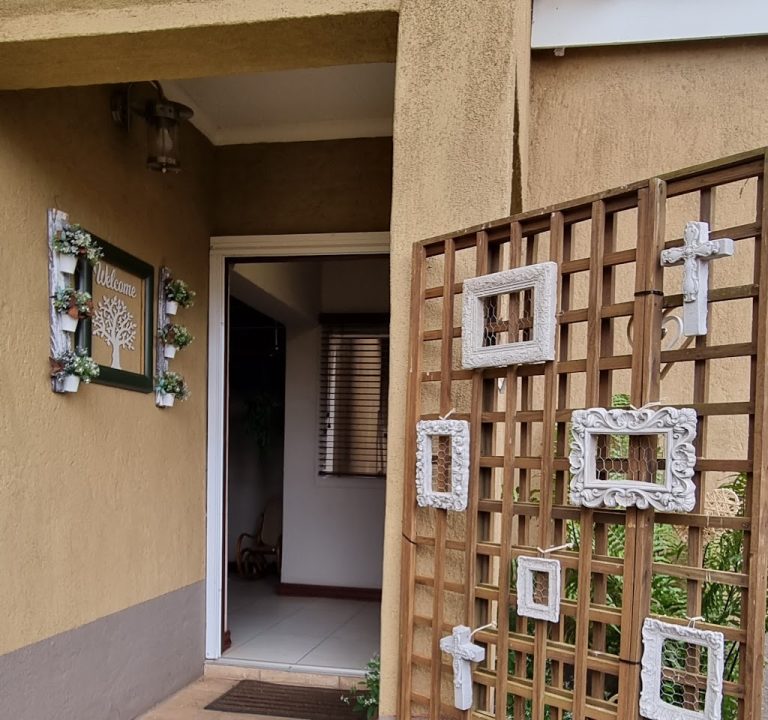
Most guest houses and small hotels in Polokwane provide well-appointed rooms with comfortable bedding, en-suite bathrooms, and climate control. You may find features such as private entrances, garden terraces, and shaded outdoor seating areas. Breakfast is commonly offered and can range from continental-style spreads to hot plated options. Wi‑Fi is frequently included, and on-site parking is a standard perk. Some properties arrange airport or city transfers, while others provide guidance on arranging local tours or day trips. If you are travel-ing with children, look for family-friendly rooms or suites and shared communal spaces for easy supervision.
Transport and getting around
Polokwane is best explored with a car, giving you freedom to visit nature reserves, nearby towns and the region’s markets at your own pace. For those not driving, check how far your accommodation is from taxi services or public transport links. Having a map or a concierge who can recommend safe routes and reliable drivers can make day trips smoother. The city's ring routes and arterial roads connect to parks, the Potgieter Street shopping area and other local attractions, allowing straightforward excursions without long drives.
Best time to visit and practical tips
The climate in Limpopo can be hot in the dry season, so plan your stay around cooler mornings and late afternoons if you are outdoor pursuing nature trails or a game-viewing excursion. The rainy season can bring lush scenery, but be prepared for the possibility of showers. If you want to combine a city stay with a broader itinerary, consider arranging visits in a sequence that lets you enjoy comforts in the city, followed by a short drive to a reserve or a day trip to nearby towns for cultural experiences.
Practical planning tips:
– Check the cancellation policy before you book, especially during peak travel periods.
– Confirm breakfast arrangements and whether there are self-catering options on site.
– Ask about late check-in procedures if you anticipate arriving after typical reception hours.
– Look for guest houses with secure parking and good lighting, particularly if you will be returning after dusk.
– Research nearby dining and markets to balance convenience with a taste of the local scene.
Local experiences and dining
Polokwane offers a range of dining options from casual eateries to more refined venues that showcase contemporary South African cuisine and regional influences. While exact menus and prices vary, many establishments emphasise fresh produce, hearty flavours and a welcoming atmosphere. Outside the city centre, you can discover markets and eateries that provide a sense of everyday Limpopo life, making it easy to combine meals with shopping for crafts or produce.
Before you travel, it can be helpful to consult local tourism information for current happenings, seasonal events and suggestions for guided excursions. A well-chosen base in Polokwane will let you enjoy comfortable accommodation, easy access to sights and a flexible itinerary that balances rest with discovery. For a starting point on planning, you might browse reputable tourism sites to learn about the area’s highlights and to compare a few guest houses or small hotels in Bendor, Fauna Park or central Polokwane.
Website links to explore further: Polokwane tourism and local accommodation listings.