Polokwane stay: accommodation guidance, attractions, and practical tips for visitors
Polokwane, the capital of Limpopo, offers a travellers’ mix of comfortable guest houses, modern hotels, and intimate lodges that suit a range of itineraries. When planning a stay in this gateway to the northern Lowveld, think about location in relation to the city’s services, access to nature reserves and cultural sites, and the pace of your visit. A well-chosen base can save travel time and maximise your time for exploring, dining and discovering local experiences.
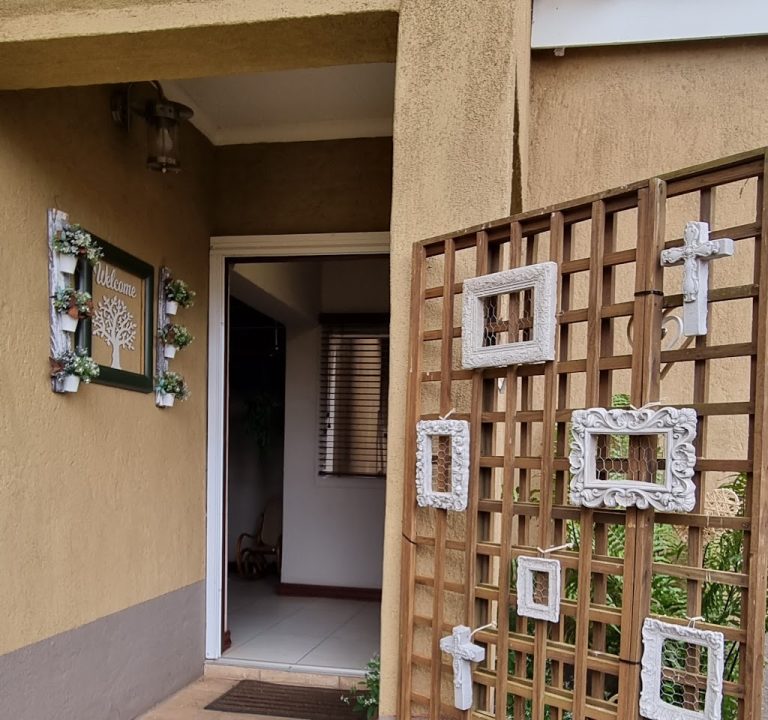
Housing in Polokwane tends to cluster around several practical districts. The central area and precincts near major shopping centres are convenient for confident drivers and visitors who want easy access to eateries and nightlife. Suburban guest houses and boutique hotels nearby can offer a quieter atmosphere with private gardens or courtyards, while lodges on the city’s outskirts may provide more expansive grounds and a village-like feel. A well-known local example is Die Krip Guest House, which illustrates how guest houses in the city often combine comfortable rooms with a personalised touch and easy access to the city’s amenities. Look for properties that emphasise a relaxed breakfast service, on-site parking, and secure access, which are common in Polokwane’s guest accommodations.
What to look for when booking your stay
- Clear room options: Check for en-suite bathrooms, air conditioning or fans, reliable Wi‑Fi, and adequate storage. Some properties offer powered alternatives for long stays, such as kitchenette facilities or communal cooking spaces.
- Safety and security: Gated parking, 24-hour reception, and well-lit entrances are worth prioritising, particularly if you plan to explore late in the evening or travel with family.
- Breakfast and meals: A substantial breakfast can start busy days in the Limpopo sun. Inquire whether on-site dining or collaborators with local eateries are available, and whether dietary requirements can be accommodated.
- Transport access: Proximity to the airport, main roads, and taxi or ride-hailing access matters for day trips to nature reserves or cultural sites. If you plan to self-drive, confirm parking arrangements and lift or loading access if you have heavy luggage or equipment.
- Reviews and consistency: Read recent guest comments for real-world insights on service levels, cleanliness, and the accuracy of descriptions. A well-maintained property with steady reviews is a good sign of reliability.
Typical amenities you may encounter
Most Polokwane stays offer inclusive or optional breakfast, private bathrooms, air conditioning, and safe on-site parking. You may also find pools at some boutique lodges, small gyms, and outdoor spaces for sunbathing or al fresco dining. Business travellers may appreciate a desk, reliable Wi‑Fi, and conference facilities. If you are visiting during the hot months, a property with a shaded garden or a cooling pool becomes particularly appealing. For families, look for family rooms or suites with space for children and easy access to parks and leisure areas nearby.
Areas to consider for your itinerary
The city centre acts as a practical hub for visitors who plan to stroll to local markets, cafés and small museums, and it offers straightforward access to car rentals and guided tours. For a more relaxing stay with a quieter neighbourhood feel, choose properties on the outskirts of the central area, where gardens and open spaces can provide a tranquil retreat after day trips. If you are combining city time with nature, look for lodges or guest houses that are a short drive from nature reserves or wildlife viewing opportunities, while still within reach of Polokwane’s dining and shopping options.
Transport and getting around
Polokwane is served by an international airport nearby, with car hire widely available at the terminal and in town. A comfortable car is often the best way to explore the region’s natural reserves and scenic drives at your own pace. Within the city, roads are generally well signposted, but daylight travel is usually easiest for first-time visitors. Taxis and ride-hailing services are commonly used for shorter trips into town centres or dining districts. If you are planning multiple day trips to surrounding reserves or cultural sites, a private vehicle with a GPS or offline maps can be very helpful.
Best time to visit and practical planning tips
The Limpopo climate is warm for much of the year, with a dry season that can be ideal for wildlife viewing and outdoor activities. Plan for warm daytime temperatures and cooler nights, especially in winter months. If you are visiting during the rainy season, expect brief, late-afternoon showers, which can be refreshing rather than disruptive. Pack versatile clothing, sun protection, comfortable walking shoes, and a light jacket for cooler evenings. Practical tips include confirming airport transfers or parking arrangements ahead of arrival, having a printed or offline map as a backup, and researching a few dining options in advance to avoid peak dinner times. Always check the latest travel advice and local recommendations for safe routes and areas to visit after dark.
Attractions, experiences and dining in general terms
Polokwane offers a mix of urban culture and gateway access to rural Limpopo landscapes. Within the city, markets and cultural centres provide a sense of local life, while nearby nature reserves and scenic drives offer opportunities for wildlife viewing, birdlife and landscape photography. Dining options range from casual cafés and family-friendly eateries to more formal restaurants that showcase South African flavours and regional produce. For a flavour of Limpopo without committing to a single venue, many guests enjoy trying a variety of local establishments over a few evenings, complemented by relaxed strolls in well-kept public spaces.
Useful planning checklist
- Choose a base with good access to roads and parking
- Confirm breakfast and meal options before booking
- Check safety features and secure access
- Verify Wi‑Fi and workspace facilities if needed
- Plan day trips to nature reserves and cultural sites