Where to stay and what to do in Cape Town, Western Cape
Cape Town offers a vibrant mix of accommodation styles, from budget-friendly hostels to stylish boutique hotels and family-friendly guesthouses. When planning a stay, consider the character of different neighbourhoods, how easy it is to access major sights, and how you prefer to move around the city. The city’s dramatic geography—from the iconic Table Mountain to sparkling harbour views—means your choice of base can shape your whole experience, whether you seek lively nightlife, coastal tranquillity, or easy access to nature reserves.
For first‑time visitors, central districts such as the City Bowl, the V&A Waterfront, and Green Point make convenient bases. These areas tend to be within walking distance of landmarks, cafés, and markets, with frequent transport links to the southern peninsula and beyond. If you favour beachfront ambience and sunset scenery, Camps Bay and Clifton offer glamorous stretches with quick access to scenic coastal routes. Wine lovers may prefer the Constantia Valley or Simons Town for day trips to wine estates and penguin-friendly shores. More budget‑friendly and sociable options can be found in District Six, De Waterkant, and the Woodstock and Observatory neighbourhoods, which often feature lively cafés, street art, and easy public transit connections.
When choosing accommodation, look for a few practical essentials. A good hostel or guesthouse may offer a mix of private rooms and shared facilities, with a well‑equipped kitchen, communal lounge, secure storage, and reliable Wi‑Fi. For longer stays, a self‑catering option with a well‑equipped kitchen can save money and offer flexibility for breakfast and snacks after day trips. If you prefer organised activities, check whether the property arranges guided walks, shark cage dives, or township visits, and whether they can help with reserve tickets to popular attractions.
Beyond price, consider transport options. The MyCiTi bus network is expanding across Cape Town and offers straightforward routes between many popular areas. Uber and other ride‑hailing services are widely used, though a stay closer to your preferred sights can cut travel time. If you plan day trips to Cape Point, the Cape Winelands, or the penguin colonies, a property with parking or easy access to tour operators can be a real time‑saver. In some areas, safe pedestrian access and well‑lit streets at night can influence how comfortable you feel returning after dinner.
The best time to visit Cape Town depends on what you want from your holiday. Spring (September to November) brings mild temperatures and blooming gardens, followed by warm summer days ideal for beaches and outdoor markets. Autumn (March to May) offers pleasant weather with fewer crowds, while winter (June to August) can be cooler and wetter, yet still a good time for cultural events and fewer queues at attractions. When planning outdoor activities such as cable‑car rides up Table Mountain or coastal hikes, always check weather forecasts and mountain‑safety advisories.
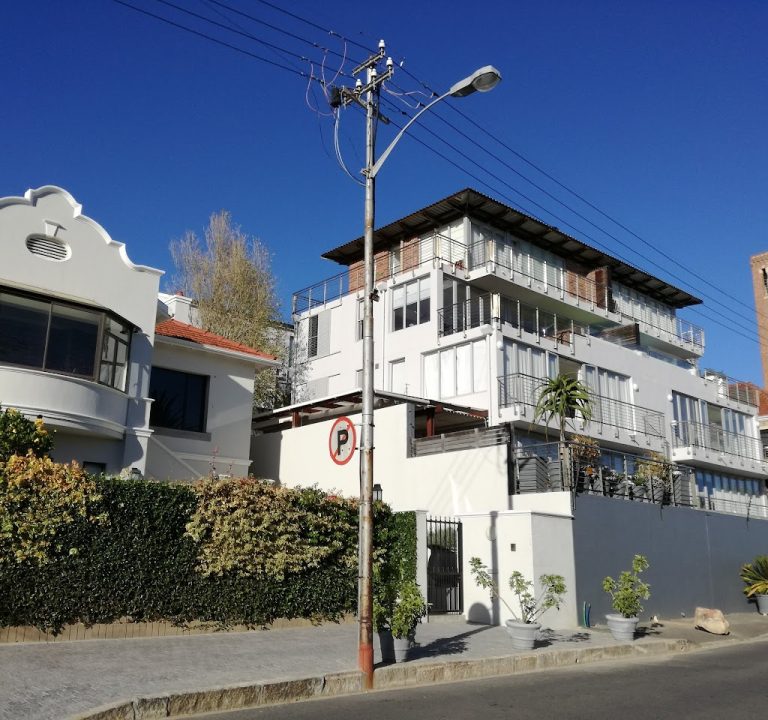
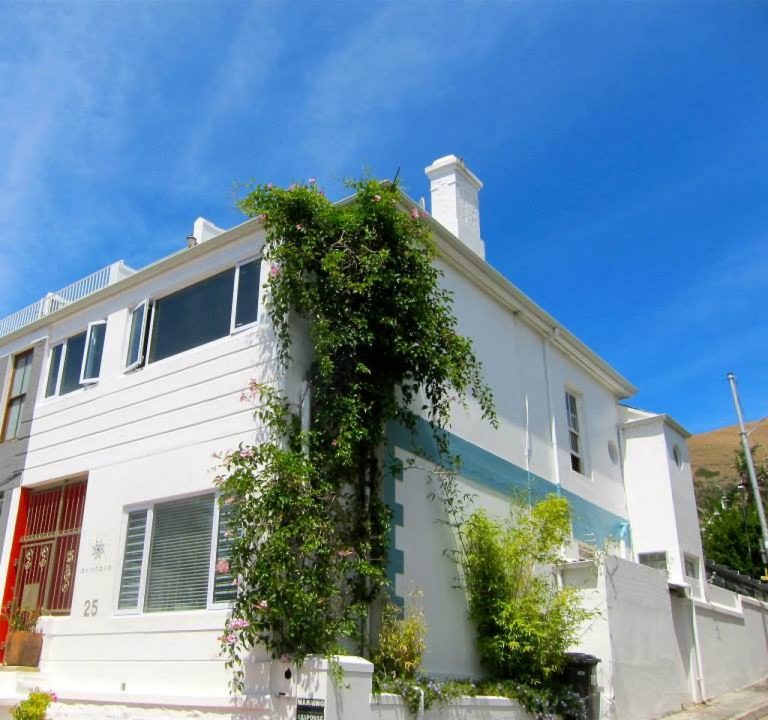
Accommodation options vary widely, but many travellers value a comfortable bed, friendly staff, and a sense of place. Some properties emphasise sustainability, offering recycling facilities, solar power, or connections with local communities. A family‑friendly guesthouse might provide quiet rooms and easy access to kid‑friendly beaches, while a boutique hotel could showcase local artwork and enhanced in‑room amenities. For travellers on a budget or seeking social energy, consider a well‑located hostel with communal spaces where you can meet fellow explorers and swap travel tips. For example, a prominent hostel option often highlighted in city guides is THE BIG – Luxury Backpackers, which combines budget‑friendly dormitories with social common areas and location advantages convenient for city exploration. THE BIG – Luxury Backpackers offers a practical base for travellers who want to mix saving on accommodation with neighbourhood immersion.
What to do and where to eat will shape the rhythm of your days. Iconic natural attractions like Table Mountain and Cape Point offer memorable vistas and photo opportunities, while Robben Island provides historical context about South Africa’s journey toward democracy. In the city, you can explore markets and museums, stroll along the V&A Waterfront, and choose a restaurant route that suits your mood—from casual cafés serving local favourites to family‑run eateries offering Cape Malay flavours in nearby neighbourhoods. For a broader sense of the local scene, consider guided walks through historic areas, day trips to the Cape Winelands for scenic vineyard lunches, and misty morning hikes along the Atlantic coast. Most attractions operate with flexible opening hours and seasonal variations, so it is wise to book essential experiences in advance during peak season and in school holidays.
Practical tips for a smooth stay:
- Book accommodation with secure storage for luggage and valuables when you plan day trips.
- Check distance to preferred beaches, viewpoints, and transport hubs to minimise long walks at night.
- Pack layers for variable coastal weather; mornings can be cool, with warming afternoons typical in summer.
- Consider travel insurance that covers outdoor activities and potential weather disruptions.
- Respect local customs and safety advisories, and use reputable operators for tours and excursions.