Cape Town: A Guide to Accommodation, Areas, and Experiences
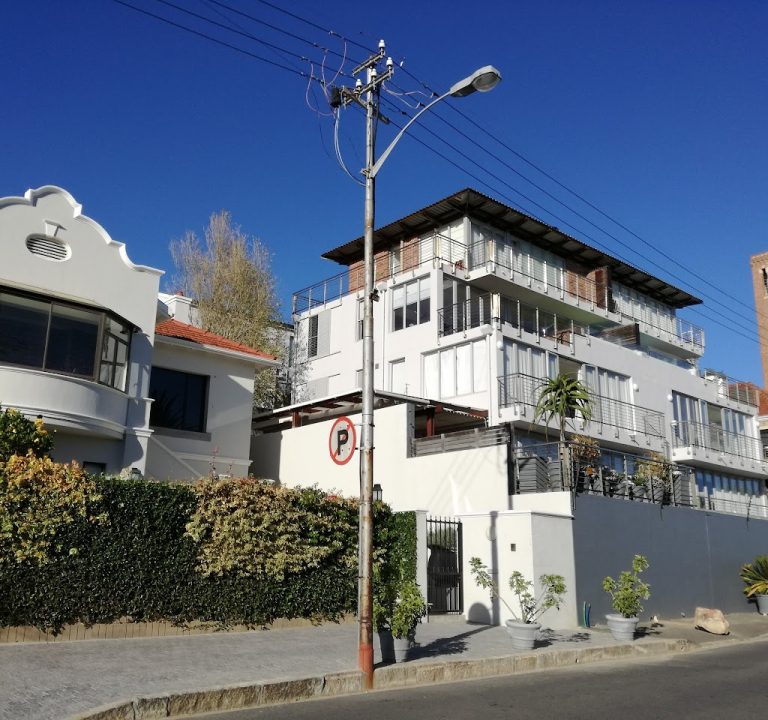
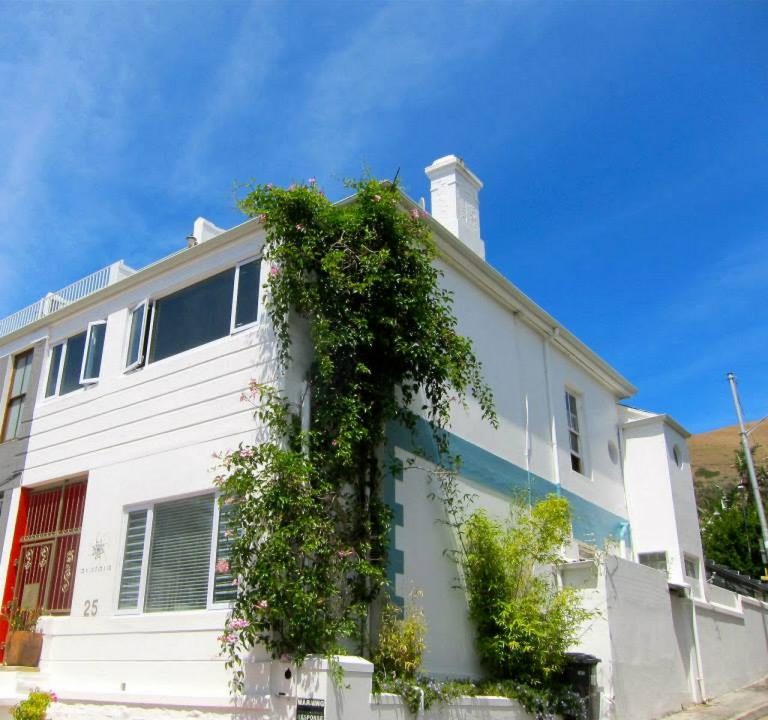
Cape Town is a city of remarkable contrasts, where steep mountain slopes meet white-sand beaches and buzzing neighbourhoods sit alongside quiet harbour towns. When planning a stay, consider a mix of access, atmosphere and pace to match your interests. Areas like the Atlantic Seaboard offer sea views and modern comforts, while the city centre provides convenient access to museums, markets and nightlife. For a more relaxed vibe, the southern suburbs and coastal villages offer leafy streets, boutique stays and easy escapes to nature. A stay at a guest house such as Courtleigh Guest House can provide personalised service and a sense of local character, alongside the freedom to explore on foot or by public transport.
Accommodation in Cape Town ranges from intimate guest houses and boutique hotels to self-catering apartments and guest-friendly lodges. When choosing where to book, think about four practical factors: proximity to the places you want to visit, ease of getting around, the level of neighbourhood safety, and the kind of atmosphere you prefer. If you are relying on public transport, look for lodgings near MyCiTi bus stops, railway stations or popular corridors in the city centre and along the Atlantic Seaboard. If you’re renting a car, check whether the property has parking and how easy it is to reach the major routes out of town toward the Cape Winelands or the southern coast.
Typical amenities across Cape Town’s guest houses and boutique stays include en-suite bedrooms, daily housekeeping, free Wi-Fi, and communal spaces such as lounges or verandahs. Breakfast is a common feature, with varieties ranging from continental to full cooked options. Some properties offer complimentary snacks, tea and coffee facilities, and guest-use kitchens or courtyards for social evenings. A flexible cancellation policy and clear house rules are useful to review before you book, especially if your plans might change. If you have specific needs—such as mobility considerations, dietary requirements, or child-friendly rooms—contact the host in advance to confirm suitability.
Popular areas to consider for your Cape Town stay include:
- The V&A Waterfront and the central business district: Very convenient for exploring museums, markets and easy access to ferries and tours, with plenty of dining options nearby.
- The City Bowl and Gardens precinct: A lively mix of cafés, markets and greenery, with walkable streets and a short ride to Cable Car departures for iconic views from Table Mountain.
- Sea Point and the Atlantic Seaboard: Coastal promenades, sea views, and a relaxed atmosphere with several stylish guest houses and boutique hotels.
- Observatory and the southern suburbs: A bohemian, student-friendly vibe with lower-budget options and a gateway to scenic drives to the Cape Peninsula.
- Constantia and near the vine valleys: Peaceful residential areas ideal for travellers seeking a more tranquil stay and proximity to wine estates.
When planning transport, consider a combination of walking, rideshares, and prepaid transport cards. The city is walkable in many parts, especially around the central business district, the V&A precinct, and the Atlantic Seaboard to Camps Bay, but some routes are hilly and longer journeys may be best served by a taxi or app-based service. If you are renting a car, be mindful of peak traffic times and limited parking in busy areas. Booking accommodation with on-site parking or a secure garage can save time and reduce daily costs. For day trips, such as a visit to the Cape Peninsula or the Constantia wine route, a car is highly convenient, though organised tours are also plentiful and can be a stress-free alternative if you prefer not to drive.
Best time to visit Cape Town depends on your priorities. The city enjoys a Mediterranean climate with dry summers and wet winters. Peak travel months are usually from November to March, when conditions are warm and sunny, perfect for beaches and outdoor dining. Spring (September to November) offers blooming gardens and mild days, while autumn (April to May) can be ideal for photography and wine country visits. If you are sensitive to crowd levels, shoulder seasons often deliver more comfortable pacing and better value. Always check local events calendars, as major festivals and markets can influence availability and prices for accommodation and dining.
Dining and experiences are an essential part of a Cape Town stay. In general terms, you can expect a vibrant restaurant scene ranging from casual harbourside eateries to refined coastal dining. Look for places that specialise in fresh seafood, South African grills, and global flavours with a local twist. Markets provide a lively way to sample regional produce, crafts and street food in an informal setting. For activities, you’ll find opportunities to explore natural beauty such as coastal walks, wildlife encounters along the peninsula, and scenic viewpoints with sweeping city vistas. Cultural attractions, galleries and historic sites offer insight into the city’s diverse heritage and contemporary arts scene.
Practical tips for a smoother visit: book accommodation with flexible cancellation when possible, especially if your plans may change. Pack layers to accommodate changing weather, particularly if you plan to visit at higher elevations or along the coast where coastal winds can be brisk. Keep a copy of important addresses and plan for some downtime; Cape Town’s charm often reveals itself in quiet mornings on a balcony or in a sunny courtyard. Finally, respect local guidelines and community norms, particularly in residential neighbourhoods, to ensure a comfortable and positive stay for you and your hosts.