Cape Town: accommodation, planning and ways to make the most of your stay
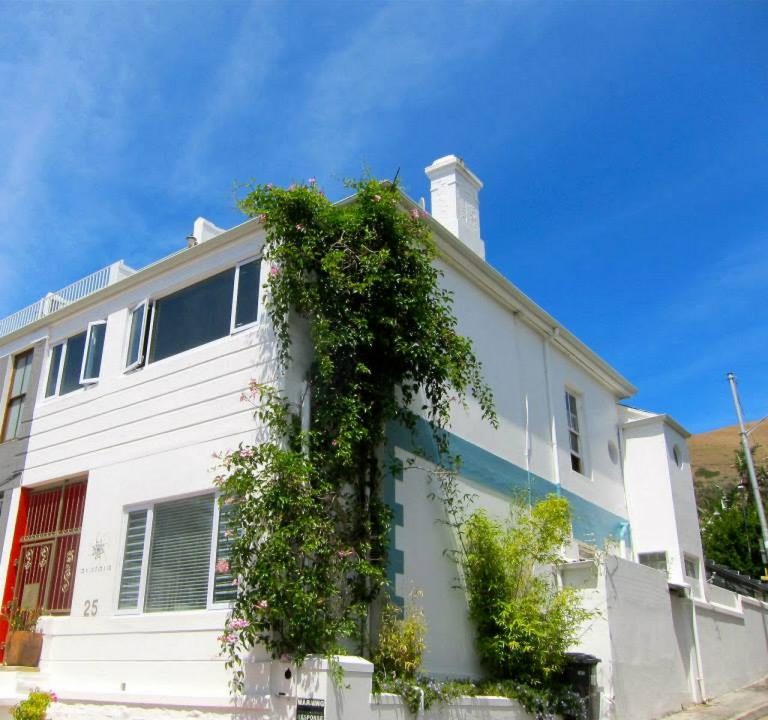
Cape Town sits at the junction of dramatic scenery, a vibrant neighbourhood scene and a maritime climate that makes every season pleasant. Whether you prefer a boutique guest house with sea views, a modern apartment in the heart of the city, or a cosy bed-and-breakfast tucked away in a quiet neighbourhood, the best approach is to map your stay around how you want to experience the city. A well-chosen base can cut travel time, heighten convenience and enrich your overall itinerary. A good example is the Avatara Guest House, which typifies the intimate charm many guest houses offer: a welcoming atmosphere, comfortable rooms and easy access to a range of amenities.
Areas to consider when planning your stay include:
- City Centre and Green Point: central for exploration, easy access to cultural venues, cafés and a lively urban atmosphere. These areas are convenient for walking to the V&A Waterfront and for quick hops to the city’s major attractions.
- Atlantic Seaboard (including Camps Bay and Bantry Bay): stunning ocean views, sunset strolls and high-end dining; ideal for a more relaxed, scenic stay and for beach days during calmer weather.
- Constantia Valley and the Constantia wine route: a leafy escape offering house-proud guest houses, wine estates and, for day trips, easy access to nature and hiking in the foothills.
- Southern Suburbs and Woodstock: a mix of historic streets, creative quarters and affordable accommodation, with good access to mountain trails and markets.
When you book, think about how you’ll get around. Cape Town’s public transport has improved in recent years, with city buses and airport links, but many visitors still find a car or organised transfers convenient. If you prefer not to drive, choose accommodation that can arrange reliable local transport or be within easy reach of Uber/Lift services or MyCiTi routes. Some guest houses offer shuttle options as part of their package, which can simplify logistics for day trips to Table Mountain, Cape Point or the Cape Winelands.
Typical accommodation features to look for include:
- En-suite bathrooms with good water pressure and reliable hot water, especially if you plan outdoor adventures or early starts for sunrise viewpoints.
- Complimentary or readily available Wi‑Fi, useful for planning daily routes and checking weather and transport timetables.
- Breakfast options, whether continental, full cooked or customisable, which can save time on busy mornings when you’re heading to a coastal hike or a harbour tour.
- Secure, convenient parking or clear information about on-street parking rules and access.
- Thoughtful touches such as laundry facilities, quiet rooms, air conditioning or heating, and ample storage for gear like hiking shoes or beach kit.
Seasonality matters in Cape Town. The summer months (roughly November to February) are warm and generally dry, with longer days ideal for outdoor activities. Winter brings cooler, wetter spells, which can be perfect for exploring museums, markets and winery regions nearby when the sea breeze is brisk but refreshing. Shoulder seasons can offer fewer crowds and pleasant temperatures. If you’re visiting for outdoor adventures, plan around local sunrise and sunset times to make the most of scenic viewpoints like Table Mountain and coastal cliffs.
Practical planning tips to enhance your stay:
- Research cancellation policies before you book to preserve flexibility if plans shift.
- Check access times to popular venues and whether you need to book attractions in advance, especially during peak tourist periods.
- Ask about laundry, kitchen access, or shared facilities if you’re staying for several days and want to manage costs.
- Consider a mix of stays: a central hub for access to city life and a quieter retreat in the Constantia or Atlantic Seaboard areas for rest days.
- Pack adaptable clothing for coastal winds and sun exposure, plus sturdy footwear for nature trails and mountain viewpoints.
- Respect safety basics: gates or locks for accommodation, keep valuables secure, and arrange trusted transport after dark in unfamiliar areas.
A round-up of experiences and dining concepts to complement your stay: while this article doesn’t name specific venues, Cape Town offers a spectrum from iconic natural attractions to vibrant culinary hubs. Expect waterfront promenades, harbour cruises, scenic drives along the Atlantic coast, and markets where local artisans showcase crafts and regional foods. Dining in Cape Town ranges from casual eateries serving seafood and bistro-style dishes to fine-dining rooms with panoramic views. For a well-rounded visit, plan a day of nature, a morning in a botanical setting, a trip to the sea cliff drives near the Cape Point area, followed by an evening meal in a neighbourhood setting that reflects the city’s diverse cultural influences.
To make your stay smoother, consider pairing a well-reviewed guest house or boutique hotel with a flexible itinerary. For example, a guest house in a convenient quarter can serve as a comfortable home base for day trips to nearby wine regions, nature reserves or coastal towns, while a second property nearer the harbour can offer easy access to waterfront sights and harbour excursions. Cape Town rewards travellers who balance planned highlights with moments of spontaneous discovery, whether wandering a market street, pausing at a lookout, or chatting with locals about their favourite seasonal favourites.