Exploring Cape Town: Accommodation, attractions and practical planning for a memorable stay
Cape Town, set between the ocean and the iconic Table Mountain, offers a range of guest houses, BnBs, hotels and lodges that suit every traveller. When planning a stay in the Western Cape, consider the daily rhythm of the city and the surrounding winelands, as well as how you will get around to explore the sights, restaurants and markets. A well-chosen base can make a big difference to your comfort, access to transport, and the quality of your onwards experiences.
Areas to consider when booking your stay include the following. The City Bowl provides convenient access to museums, galleries and urban eateries, with easy connections to the mountains for hiking or a cable-car excursion up Table Mountain. The Atlantic Seaboard extends along the coast, offering dramatic scenery, sandy beaches and a number of stylish guest houses and boutique hotels with sea views. Constantia and the southern suburbs are ideal for those who favour a quieter, leafy setting and easy access to wine estates, gardens and family-friendly activities. For a more contemporary vibe with trendy eateries and markets, consider the suburb of Woodstock or neighbouring neighbourhoods close to the city centre. If you’re seeking a cosmopolitan atmosphere and a lively waterfront, the V&A Waterfront area combines shopping, culture and dining in one convenient location.
When evaluating accommodation, think about what will make your stay comfortable and practical. Look for clear information about room layouts, en-suite facilities, and whether breakfasts are included or available on request. Consider the amenities that matter most to you, such as reliable Wi-Fi, a safe for valuables, parking on site, and easy access to terraces, lounges or communal spaces where you can relax after a day of exploring. For families or groups, extra beds or interconnecting rooms can be worth confirming in advance. If you are travelling with a lot of luggage or with mobility needs, check the building’s accessibility features and proximity to lift access or ground-floor rooms.
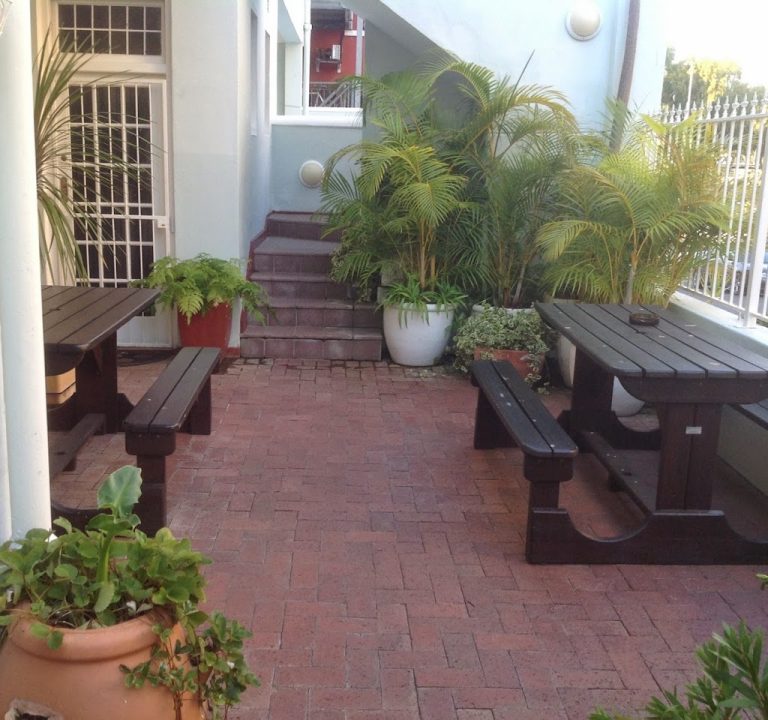
Typical amenities found in well-run Cape Town guest houses and hotels include comfortable furnishings, daily housekeeping, well-equipped ensuites, and options for self-catering or light dining. A welcoming home-from-home atmosphere is often a highlight, with common areas such as verandahs, gardens or courtyards offering a place to unwind after a day spent on the water, on the mountains, or wandering markets. Some properties provide evening wine tastings or curated local experiences, while others partner with nearby operators to arrange tours, cultural experiences or coastal activities. When booking, read guest reviews carefully for notes on sleep quality, HVAC performance, and how friendly and responsive the staff are to guests’ needs.
Transport is a key consideration in Cape Town. Many areas are walkable for short distances or have reliable public transport links. The MyCiTi bus network offers convenient routes around the city and to the suburbs, while rideshare services are widely available for shorter trips or evenings out. If you plan to explore the Cape Peninsula or the winelands beyond the city, renting a car gives you flexibility, though some guests prefer the ease of organised day tours that include transport and guides. For short hops, taxi or ride-hailing services can be practical; check with your accommodation about recommended providers and any access issues in peak travel times.
The best time to visit Cape Town depends on your priorities. Spring and autumn bring milder temperatures and good light for photography, with spring flowers in bloom and pleasant coastal breezes. Summer (December to February) is peak season, with longer daylight hours and busy beaches and markets, which can mean busier streets and higher prices. Winter (June to August) is cooler and wetter but can still be a good time to explore indoor attractions, markets, museums and wine estates in the surrounding region, often at more relaxed paces and occasionally lower rates. Regardless of the season, plan ahead for popular attractions by arriving early or booking a guided tour to help navigate queues and weather changes.
Practical tips for a smooth stay in Cape Town:
- Book a base with good security and helpful staff who can provide local tips on safe areas to visit and how to move around.
- Check whether your accommodation offers breakfast, kitchen facilities or nearby dining options to suit your plans for long days out.
- In coastal areas, pack sun protection, a light jacket for sea breezes, and comfortable walking shoes for varied terrain—from city streets to hillside paths.
- Confirm access details and transport options with your host or hotel in advance, especially if you plan early morning departures or late returns.
- Try to balance your itinerary with a mix of nature, culture and food experiences, and leave some downtime to simply enjoy the setting—whether a sea-facing veranda or a shaded garden in the suburbs.
For a well-rounded visit, combine a few days near the city centre with day trips to the surrounding coastline and winelands. In Cape Town, you can expect views that colour your memories, diverse culinary offerings that reflect the region’s flavours, and a pace that invites you to linger. Whether you stay in a boutique guest house with personal touches, a modern hotel with a rooftop terrace, or a cosy apartment within a short stroll of the harbour, Cape Town is built for explorers who value comfort, accessibility and a sense of place. Information about individual properties and opening hours can be found on official tourism sites or the guests’ own websites; always verify current details close to your dates of travel.