Staying in Cape Town: where to stay, what to look for, and how to plan your visit
Cape Town is a city of contrasts, offering spectacular scenery, vibrant neighbourhoods and a range of accommodation to suit every traveller. From peaceful guest houses in leafy suburbs to boutique hotels with views over the Atlantic, or stylish stays along the iconic seaside fringes, planning a stay in Cape Town is as important as choosing what to see. A well-chosen base can make it easier to explore the city’s natural splendour, museums, markets and restaurants, while also offering convenient access to beaches, hills, and urban attractions.
When selecting a place to stay, consider the areas that align with your plans. The City Bowl and Gardens put you within walking distance of the central attractions, museums and fine dining, with quiet streets and easy access to MyCiTi bus routes. The Atlantic Seaboard, including Camps Bay and Clifton, provides dramatic coastal views, beach experiences, and a more resort-style atmosphere. Constantia and the surrounding valleys are perfect for wine lovers and those seeking a quieter neighbourhood with green spaces and easy drives to scenic hikes. If you prefer a stay close to the V&A Waterfront, you’ll find great connections to tours, ferries and harbour activities, while still being able to explore nearby markets and eateries on foot or by taxi or ride-hailing services.
Look for properties that clearly communicate transport options and accessibility. Cape Town’s top sights often involve hills or coastal routes, so check whether your lodging offers parking, easy access to main roads, or proximity to reliable public transport. If you’re travelling without a car, aim for a central location with regular bus services or easy access to ridesharing, and investigate whether the property provides a shuttle or guest shuttle to popular hubs or the airport.
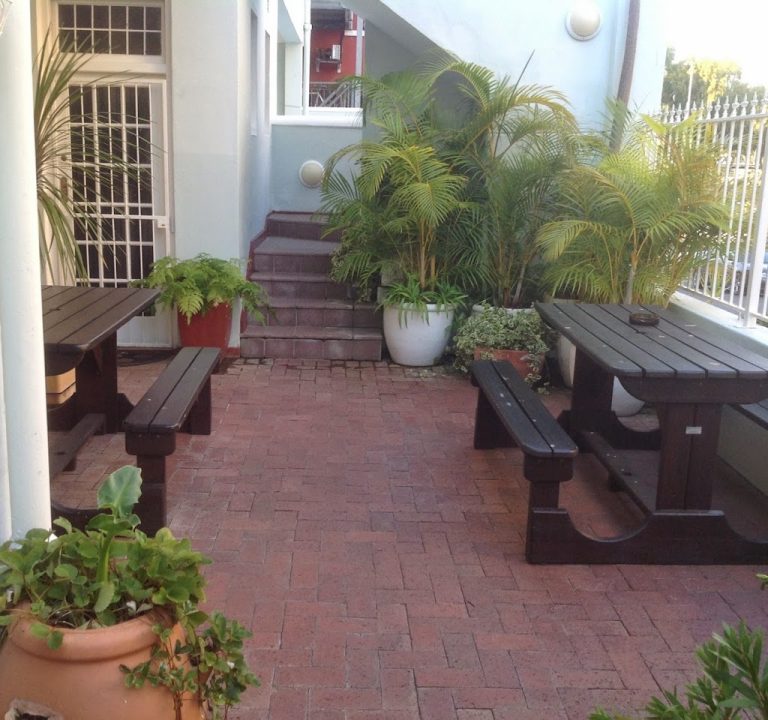
Typical amenities in Cape Town accommodation include a private or en-suite bathroom, reliable hot water, comfortable bedding, free Wi‑Fi, and a well-equipped kitchen or tea/coffee facilities. Many guest houses and hotels also offer a communal lounge, a garden or balcony with views, and on-site parking. For those seeking a more intimate feel, a guest house such as Dale Court Guest House can provide personal touches, a balanced schedule of breakfast options, and insider tips for exploring the city. When booking, read guest reviews for notes on quietness, sunrise views, or the ease of access to nearby streets and public transport.
In planning your itinerary, consider a mix of nature, culture, and gastronomy. Iconic landscapes and viewpoints are best enjoyed early in the day to beat crowds and heat, particularly around Table Mountain and the surrounding peaks. The city offers world-class museums, galleries, and markets where you can sample local crafts and foods. For a relaxed evening, you can choose from a range of dining settings—from contemporary coastal bistros to refined eateries in historic districts. While exact restaurants and prices vary, the city generally provides options to suit different budgets and tastes, with many venues prioritising fresh, regional ingredients and seasonal fare.
Transport tips to help you get around efficiently and safely:
- Use licensed taxis or reputable ride-hailing apps, particularly at night or in unfamiliar areas.
- Take advantage of the MyCiTi bus network in central areas for straightforward sightseeing and access to key places.
- Walk with awareness in busy tourist zones and stay in well-lit streets after dark.
- Plan day trips with a known driver or a trusted tour operator when exploring wine routes, mountains, or nature reserves.
Best time to visit Cape Town depends on your priorities. Spring (September to November) and autumn (March to May) generally offer mild weather, blooming flowers, and fewer crowds compared with peak summer. Summer (December to February) brings longer days and beach-friendly conditions, while winter (June to August) can be cooler and windier, though it still offers rich cultural activity and lower occupancy in some accommodation options. Always check current weather forecasts and sea conditions if you plan seaside activities or coastal drives.
Practical tips to maximise your stay:
- Book accommodation with flexible policies during peak seasons and city events.
- Consider a mix of stays in different neighbourhoods to experience the city’s diversity—from urban pace to tranquil coastal horizons.
- Pack versatile layers: a light jacket for sea breezes and a warmer layer for higher-elevation viewpoints.
- Bring a digital map downloaded for offline use, as data coverage varies in some scenic or remote routes.
- Respect local guidelines and safety advisories, and keep valuables secure when exploring busy markets or popular attractions.
For inspiration and practical planning, you can visit official tourism resources for Cape Town and the Western Cape. They offer guidance on routes, attractions, and seasonal events, helping you tailor your stay to what you enjoy most. Remember that your choice of accommodation can shape your experience as much as the places you visit, so select a base that supports an easy, enjoyable, and balanced itinerary. Whether you favour a cosy guest house like Dale Court or a contemporary hotel with panoramic views, a well-chosen base will set you up for memorable Cape Town adventures.