Cape Town: Where to Stay, What to Do, and How to Plan a Memorable Visit
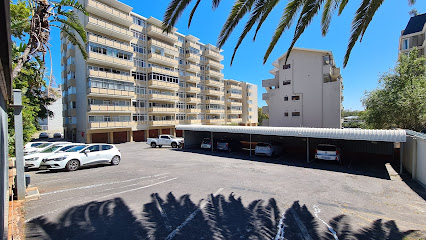
Cape Town is a city of contrasts and beauty, where harbour views meet rugged coastline and dramatic mountains. When planning a stay in the Western Cape, consider how area, pace and access will shape your days. A well-chosen base can reduce transit time and maximise your time on the ground, whether you’re seeking buzzy urban energy, quiet coastal retreats, or wine-country tranquilly just a short drive away. A number of well-appointed options cater to different styles, from boutique B&Bs to larger hotels such as Winston Place, offering a convenient starting point for longer explorations.
Areas to consider when booking include:
- City Bowl and the historic centre: central, walkable, with easy access to museums, markets and a lively dining scene. Expect smart hotels and stylish guesthouses that blend modern comfort with easy routes to the city’s cultural highlights.
- Atlantic Seaboard (Camps Bay, Clifton, Sea Point): oceanfront stays with sea views, landscaped promenades and a focus on outdoorsy activities. Ideal for those who love sandy beaches, sunset drinks, and long coastal walks.
- Green Point and the V&A Waterfront: modern stays close to the harbour, ideal for families and travellers who want to combine a hotel base with to-the-door access to waterfront attractions, markets and easy public transport links.
- Southern Suburbs and Constantia: quieter residential neighbourhoods and wine routes nearby, perfect for travellers who want more space, gardens and a softer pace, while still being within reach of city sights.
- Bo-Kaap and De Waterkant: character-filled streets and easy access to viewpoints, cafés and city sights; great for those who enjoy immersive neighbourhood experiences and architecture.
When choosing accommodation, look for essential amenities and practical details. Consider the following checklist to help you compare options quickly:
- Security and access: 24-hour reception or staff presence, secure parking or easy street parking, good lighting in common areas.
- Room configuration: en-suite bathrooms, wardrobe space, quiet rooms for a good night’s sleep, and whether the property offers family rooms or self-catering facilities.
- Interiors and comfort: air conditioning or heating, dependable hot water, daily housekeeping, and reliable Wi‑Fi for work or streaming.
- Meal arrangements: on-site breakfast, self-catering kitchens, or nearby dining options; some properties also offer curated local experiences or dinner recommendations.
- Transport access: proximity to MyCiTi bus stops, taxi services, or hop-on-hop-off routes, plus parking if you’re driving a rental car.
Typical attractions and experiences to complement your stay include scenic viewpoints above the city, coastal walks along rugged cliffs, and heritage or market days that showcase local crafts and cuisine. In general terms, plan to devote time to iconic natural features such as a cable ride or climbing route on a prominent peak, time by the water at beaches or harbours, and a day trip to nearby regions for wine tasting or nature reserves. While names and prices are not the focus here, a balanced itinerary might pair mornings of scenic walks with afternoons exploring museums, galleries, and a market or two. Dining in Cape Town ranges from casual cafés with local fare to refined eateries offering contemporary takes on seafood and seasonal produce, often with views or lively city vibes to enhance the experience.
Best time to visit Cape Town depends on what you seek. Summers (December to February) are warm and sunny, ideal for beach days and outdoor activities, while spring (September to November) and autumn (March to May) offer pleasant temperatures with fewer crowds. Winters are mild by many standards but can bring winds and occasional rain, especially along the coast. If you plan outdoor adventures, check the weekly forecast and sea conditions, as visibility and wind can influence activities around Table Mountain and the coastline.
Practical travel tips to make the most of your stay:
- Plan for light, seasonal wardrobe layers and a good pair of walking shoes; some areas have steep paths or uneven surfaces.
- Book accommodation with flexible cancellation policies when possible, given occasional weather changes or shifting itineraries.
- Consider a half-day guided orientation or a local tip sheet from your host to discover hidden spots, viewpoints, and best-value dining nearby.
- Be mindful of load shedding; choose hotels with backup power options or keep essential devices charged and ready.
- Respect safety guidelines and keep to well-populated areas after dark, especially in unfamiliar neighbourhoods, while still enjoying a vibrant city atmosphere.
In planning your stay, a few practical steps can streamline arrangements. Start by outlining your must-see sights and your preferred pace—whether you want frequent outings with little downtime or more spa-like days with leisurely meals. Then map out a logical route that minimises backtracking, taking into account transport times and potential peak traffic. Finally, balance your days with a mix of land-based activities, scenic views, and opportunities to sample local cuisine and markets, ensuring you return to your chosen base each evening to rest and refresh for the next day’s adventures. For those seeking a comfortable home base with access to Cape Town’s multitude of experiences, a thoughtfully chosen hotel or guesthouse can set the tone for a memorable Western Cape escape.