Accommodation and attractions in Cape Town: planning your stay and making the most of it
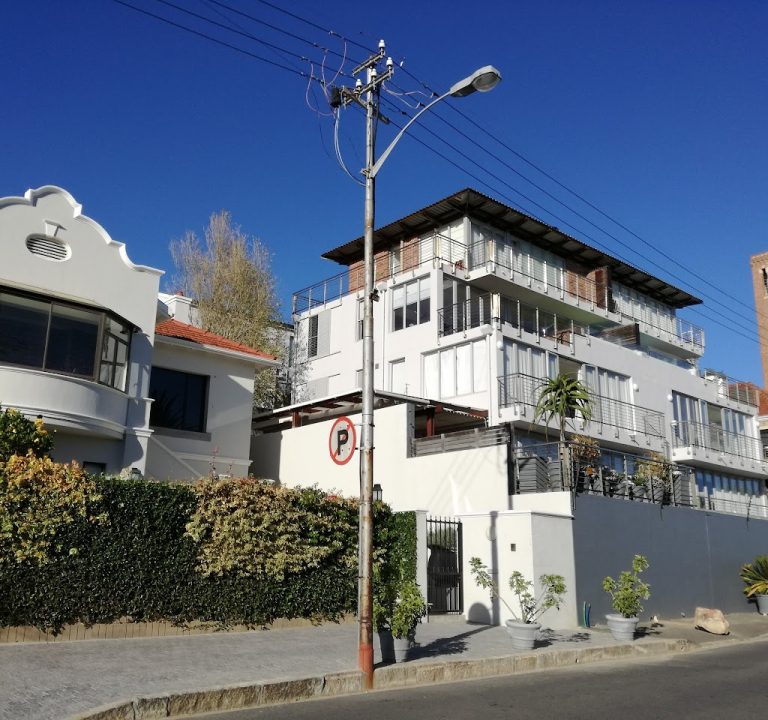
Cape Town offers a rich mix of accommodation styles, from intimate guest houses and B&Bs to stylish boutique hotels and self‑catering apartments. When planning a stay, think about what kind of neighbourhood will suit your pace, whether you want dramatic sea views, easy access to Table Mountain, or a buzzy city atmosphere with cafés and markets at your doorstep. Ten on Joubert, a guest house in Cape Town, illustrates how a well‑located property can blend homely comfort with a convenient base for exploring the city. Consider how much space you need, whether you prefer breakfast included, and if you want hosts who can offer local tips for day trips and hidden spots.
One helpful starting point is to map out areas to consider. The City Bowl offers central access to cultural sights, parks and strolls, while the Atlantic Seaboard provides scenic coastal walks and bright, airy rooms. The V&A Waterfront area combines harbour views with shopping and dining, though it can be busier in peak season. From Camps Bay to Clifton, you’ll find seaside settings with considerable sun and sunset appeal, though provisioning and transport options may differ from more inland options. Suburban areas such as Green Point or Bo‑Kaap offer character and charm, while the Constantia Valley and Stellenbosch region make excellent day trips for wine lovers and foodies.
When booking, look for a few practical details that matter for a comfortable stay. Proximity to transport links—whether a MyCiTi bus stop, tram route, or reliable taxi and rideshare options—will influence how easily you can explore without constant driving. Check parking arrangements if you’re renting a car. Ask about accessibility features if you or a travel companion has mobility needs. Clarify breakfast service, housekeeping frequency, and whether rooms have en‑suite facilities or shared bathrooms. If you’re travelling as a group or with family, confirm whether the property offers family rooms or apartment configurations with separate living spaces.
- What to look for when booking: location relative to activities you want to do, transport options nearby, on‑site amenities (Wi‑Fi, air conditioning, heating, safe storage for luggage), and clear cancellation policies.
- Amenities that genuinely improve a stay: comfortable beds, quiet rooms, good natural light, climate control, and the option to prepare light meals or drinks if you’re in a self‑catering setting.
- Safety and neighbourhood feel: read recent guest reviews about security, stair or corridor lighting, and how friendly the area is after dark.
Typical accommodations in Cape Town span a wide price range and can include intimate guest houses with personal touches, boutique hotels with design-led interiors, and self‑catering flats with kitchen facilities. Many properties now offer features such as reliable Wi‑Fi, private entrances, on‑site parking, solar power or backup generators for load‑shedding periods, and curated local recommendations. Look for properties that highlight sustainability practices and local partnerships, which can enhance your stay and support the community.
Beyond a place to sleep, the city provides a wealth of experiences. Outdoor adventures are central to the Cape Town appeal: a cable car ride or a hike up a nearby mountain offers unforgettable views; coastal walks and beaches invite leisurely days in the sun; and nearby nature reserves can provide a gentle escape into nature. Cultural experiences spread across town, with museums, galleries, and traditional markets offering a window into South Africa’s heritage. For those who enjoy food, Cape Town’s dining scene ranges from seafood shacks with sea breezes to farm‑to‑table restaurants and contemporary cuisine that reflects the region’s diverse influences. Local markets and eateries often provide tasting experiences that pair well with wine regions a short drive away.
Best time to visit Cape Town varies with preferences. Summer (roughly November to March) brings longer days, vibrant outdoor life and excellent sea conditions for beach days and watersports. Spring and autumn offer milder weather and quieter streets, which can be ideal for exploring museums, gardens, and Cape Point without peak crowds. Winter remains cooler and wetter, but you can still find sheltered activities and fewer crowds, with many indoor attractions and dining spots thriving year‑round. If you plan a wine‑country day trip, spring and autumn often provide pleasant temperatures for vineyard strolls and tastings.
Practical tips to help you enjoy a smoother stay: book early if you’re visiting in peak season or during major events, and verify cancellation terms in writing. Request details about check‑in times, luggage storage, and late‑arrival arrangements. Pack adaptable clothing for changing weather—Cape Town’s climate can be famously changeable, especially near the coast and the mountain. If you intend to drive, study the parking situation and safety guidance for your chosen areas. While exploring, wear comfortable footwear for uneven surfaces and take advantage of guided or self‑guided walks to gain context about the city’s rich history and landscapes. And remember, many accommodation providers in Cape Town are happy to share personal recommendations for day trips, local markets, and dining options beyond the obvious tourist favourites.
For planning resources and inspiration, consider visiting official tourism sites and reputable visitor guides that outline neighbourhood highlights, transport tips, and seasonal event calendars. These can help you sketch a realistic itinerary and align your stay with the attractions you most want to experience. For a reference point during planning, reputable property websites or guest house pages often offer neighbourhood profiles and suggested itineraries that align with the local climate and seasonal activities.