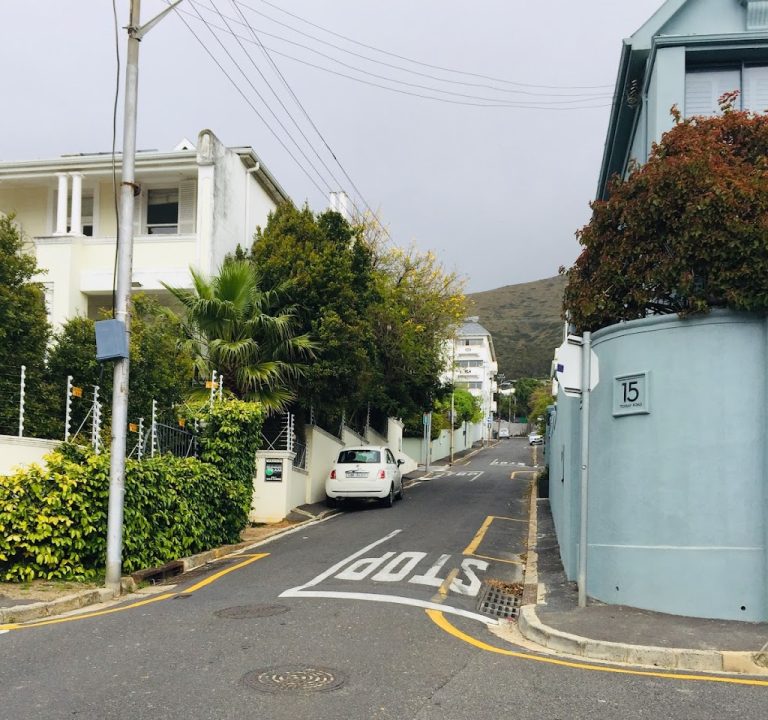
Casa 1 — Cape Town Accommodation and Experiences: Planning Your Stay
Cape Town, with its dramatic coastline, table-top scenery and diverse neighbourhoods, offers a wide range of serviced accommodation and guest-friendly stays. When planning a visit, it helps to think about what kind of experience you want, how you will get around, and what you hope to explore beyond the hotel or apartment you choose. A well‑located stay can set the tone for days of easy exploration and relaxed evenings by the harbour or the Atlantic shoreline.
Areas to consider for your stay include the city bowl and central districts for convenience and vibrant dining options; the Atlantic Seaboard with its beaches and stylish boutiques; and the Southern Suburbs or Constantia for a quieter atmosphere with easy access to wine country and outdoor spaces. If you prefer iconic views, staying near the waterfront or the eastern slopes of Table Mountain can provide memorable panoramas without long drives to attractions. Proximity to major routes and public transport can make a big difference to your daily plans, especially if you are keen to mix city sightseeing with day trips or wine coastal routes.
When selecting accommodation, look for features that align with your plans. Practical amenities such as reliable Wi‑Fi, secure access, in‑suite kitchen facilities or a communal kitchen, and thoughtful housekeeping schedules can greatly improve the stay. For travellers who value privacy and convenience, serviced apartments or guesthouses with breakfast options and on‑site reception can streamline mornings and help you settle quickly into a new time zone. Some properties offer optional guided experiences or local recommendations, which can be especially useful for first‑time visitors navigating the city’s diverse dining and activity landscape.
Typical amenities to note include air conditioning or heating, comfortable bedding and privacy considerations, laundry facilities, and easy access to transport links. A well‑equipped kitchen or kitchenette allows for relaxed meals after a day out, while a residents’ lounge or rooftop terrace can provide a sociable space to unwind. If you are travelling with family or a group, check capacity, layout, and whether there are flexible cancellation policies, which can offer peace of mind in changing plans.
For transport, Cape Town’s MyCiTi bus network, minibus taxis in some areas, and ride‑hailing apps offer practical options for getting between neighbourhoods and attractions. If you plan to visit the Cape Peninsula or nearby nature reserves, you might consider rentals or guided day trips that include transfers. Some areas are best explored on foot or by a short Uber‑style ride, so factor in distances to beaches, viewpoints, and dining spots when choosing a base. If you are hiring a car, verify on‑site parking arrangements and local parking rules, which can vary by area and building.
The best time to visit Cape Town depends on your priorities. The city enjoys a temperate climate with warm, dry summers and mild winters. Summer (roughly November to March) brings longer days, ideal for beaches and outdoor activities, while spring and autumn offer pleasant temperatures for hiking and scenic drives with fewer crowds. Winter can be cooler and rainier, but it is still possible to enjoy city culture, museums, and indoor attractions. Shoulder seasons often provide a balance between milder weather, quieter streets, and more approachable rates for accommodation.
When planning your itinerary, aim for a balance of structured sightseeing and relaxed downtime. Iconic landscape viewpoints, hiking trails on Table Mountain or the surrounding peaks, and waterfront markets provide opportunities to enjoy nature and local culture without feeling rushed. In addition to natural highlights, Cape Town’s dining scene ranges from casual eateries to refined restaurants that embrace regional ingredients. You can expect menus that celebrate fresh seafood, seasonal produce, and flavours influenced by diverse communities. Look for places that offer a welcoming atmosphere, good value, and a sense of place rather than simply chasing awards or notoriety.
Practical tips to help you book and enjoy your stay:
- Check cancellation policies and any minimum stay requirements before booking, especially if you are travelling in peak seasons.
- Assess how close the accommodation is to your preferred areas and whether you will rely on public transport or rideshares for daily excursions.
- Review what is included in the rate (daily housekeeping, breakfast, parking) and whether there are extra charges for utilities or late arrivals.
- Explore recommended day trips in the vicinity, such as coastal drives, wine estates, or nature reserves, and see if your host can assist with arrangements.
- Verify accessibility features if required, including step‑free entry, lift access, and adaptable bathrooms.
For visitors seeking a balanced Cape Town experience, consider a stay that allows easy access to a mix of beaches, viewpoints, and cultural districts, with room to soak in sunsets from a terrace or a cosy lounge. A well‑located serviced accommodation in Cape Town can serve as a comfortable hub from which to explore the Mother City’s attractions and to enjoy leisurely meals at a pace that suits you. To start planning, you can explore official tourism resources and property listings that provide practical details, location maps, and transparent information about facilities and nearby amenities. For inspiration and practical planning, reputable visitor sites offer broad overviews of neighbourhoods, transport options, and suggested routes that showcase Cape Town’s character and hospitality.