Accommodation and Attractions in Cape Town: Planning a Memorable Stay
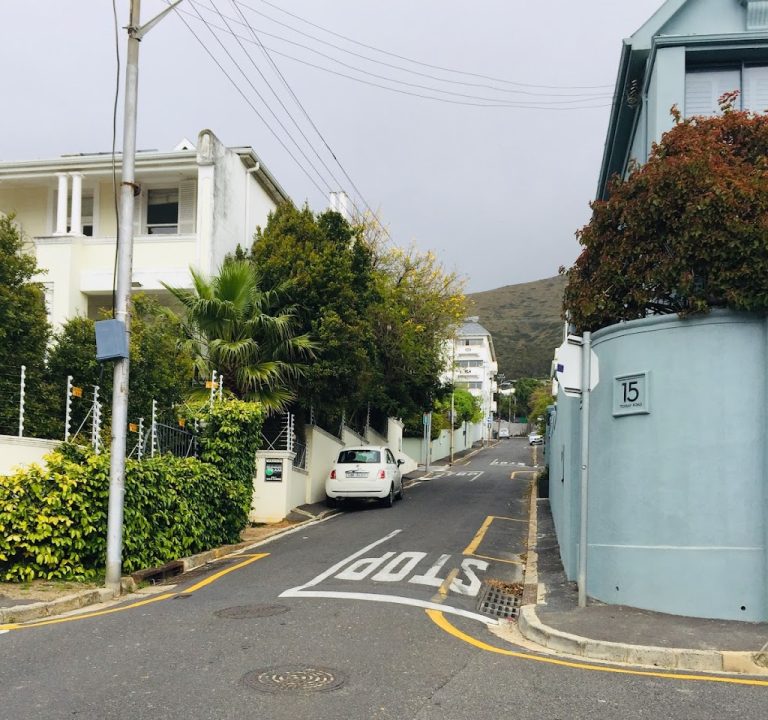
Cape Town sits at the meeting point of dramatic scenery, vibrant culture and a welcoming hospitality scene. A stay here can be as relaxed as a seaside retreat or as cosmopolitan as a city break, with a range of accommodation types to suit every traveller. The Cape Victoria Guesthouse is an example of a traditional guest house that blends comfort with convenient access to many neighbourhoods, making it a useful base for exploring the region. Whether you favour a cosy B&B, a chic boutique hotel, or a self‑catering apartment, the city offers options that can enhance your stay while you pursue the sights and flavours of the Western Cape.
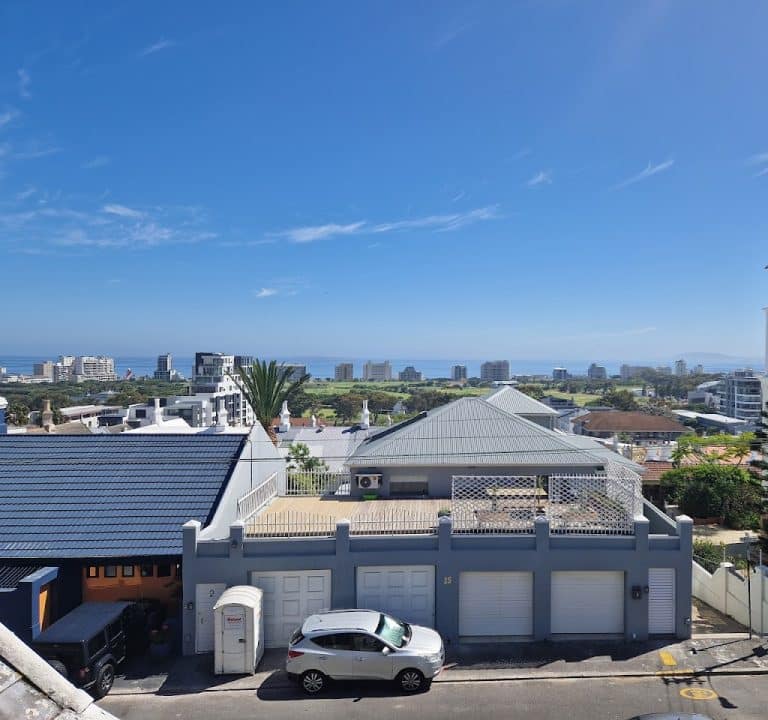
When planning where to stay, consider the areas that fit your priorities. The City Bowl and the V&A Waterfront provide easy access to dining, museums and nightlife, with a mix of guest houses, boutique hotels and serviced apartments. Camps Bay and Clifton offer beachside stays with dramatic Atlantic panoramas, ideal for sunseekers and sunset lovers, though they tend to be pricier in peak season. Green Point, neighboring the stadium area, is popular for travellers who want a balance of proximity to the coast, parks and urban conveniences. For a more tranquil retreat, leafy Constantia offers vineyard vibes and spacious properties, while Noordhoek and the southern suburbs present rustic charm and countryside scenery within reach of the peninsula’s southern highlights.
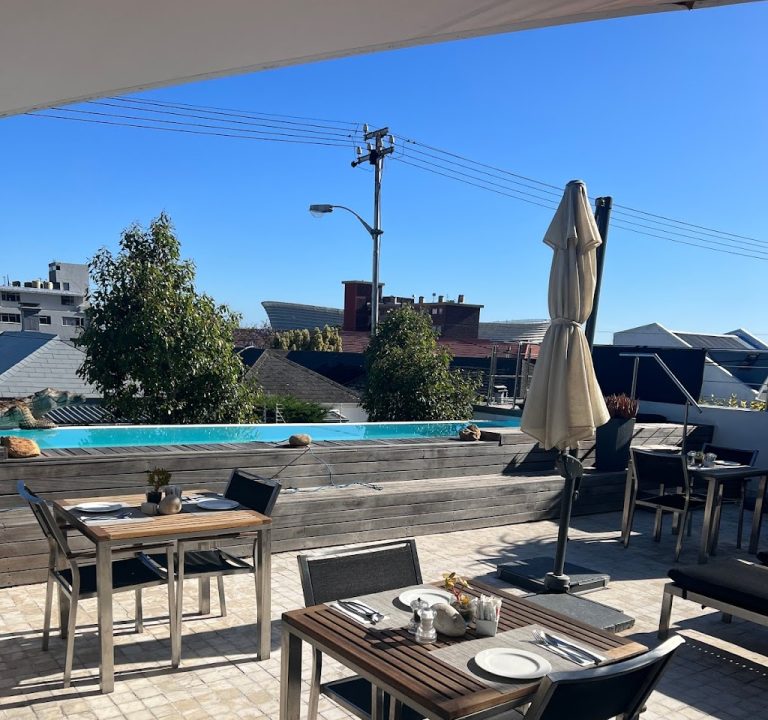
Typical amenities to look for include private en suites, reliable Wi‑Fi, secure parking, and options such as a garden or pool. Many guest houses and boutique hotels offer inclusive breakfast or light meals, which can be convenient after a day of sightseeing. If you are travelling with family or a group, search for self‑catering flats or cottages with a kitchen or kitchenette, as well as laundry facilities. Accessibility can be an important factor for some visitors, so check for step-free entrances, lifts and rails if needed. A guest house that offers flexible check‑in times, friendly local knowledge, and assistive booking services can make a big difference to your experience.
Transport within Cape Town is straightforward but requires some planning. The MyCiTi bus network covers many routes and is a budget-friendly way to move between major hubs, while Uber and other ride‑hailing services offer convenience for evenings out or trips to attractions on the coast. If you plan to explore the Cape Peninsula or the Constantia valleys, renting a car may be more practical, giving you the freedom to venture to vineyards, viewpoints and lesser‑opened routes at your own pace. Many accommodation choices provide parking or shuttle options, which can be a welcome add‑on when navigating busy coastal roads.
Best time to visit Cape Town depends on your preferences for weather, crowds and price. The summer months (December to February) are popular for long days, beach time and outdoor activities, but they also attract higher rates and more visitors. Autumn (March to May) and spring (September to November) bring milder weather and fewer crowds, often with better value for accommodation. Winter (June to August) can be cooler and wetter, but it is still possible to enjoy city sights, museums and indoor experiences, sometimes with quieter streets and more readily available deals. Whatever the season, it is wise to plan ahead for peak holiday periods and major events, as popular areas can fill quickly.
Attractions around Cape Town range from natural scenery to cultural experiences. You can expect sweeping coastal views, iconic viewpoints, and easy access to the Peninsula’s nature reserves and hiking trails. Cultural neighbourhoods offer colourful streets, markets, galleries and restaurants where you can sample a range of local and international flavours. For dining, you will find everything from casual eateries to refined establishments showcasing regional produce. In general terms, you’ll want to explore places that reflect Cape Town’s maritime and mountain heritage, while also discovering contemporary venues that celebrate diverse cuisines and sustainability practices. When choosing places to visit and eat, consider whether you prefer a compact, walkable area or a broader itinerary that includes day trips to nearby towns and wine destinations.
To help you plan your stay, here are a few practical tips:
- Book a guest house or boutique hotel with a friendly host who can provide local tips, maps and personalised recommendations.
- Match your lodging to your planned activities—staying near the coast for beach days or near parks and city sights for urban explorations can save travel time.
- Check what is included in your rate (breakfast, parking, housekeeping) to avoid unexpected charges.
- Confirm travel times and access methods for tours and excursions, and ask about private or small‑group options if preferred.
- Pack for changing conditions, especially if you plan to visit high coastal viewpoints where winds can be cooler even on warmer days.
Cape Town rewards careful planning with a blend of restful stays and enriching experiences. The right accommodation can feel like a home base from which to discover dramatic coastlines, diverse neighbourhoods, and the region’s rich cuisine. A thoughtfully chosen stay near your preferred area—whether it’s the bustling heart of the city, a relaxed coastal village, or a wine‑country retreat—helps ensure you maximise your time and enjoyment during your Cape Town visit. Websites and booking platforms can provide detailed descriptions of rooms, facilities, and nearby attractions to tailor your stay to your interests. For more inspiration, you may wish to explore general visitor information about Cape Town and the Western Cape to refine your plans as your itinerary develops.