Accommodation and Attractions in Cape Town: Planning a Memorable Stay
Cape Town offers a diverse tapestry of neighbourhoods, each with its own character, scenery and convenience for travellers. When planning a stay, think about what you want to experience most—beach days, mountain views, wine country and vibrant urban life—and then choose a base that minimises daily travel while maximizing access to the sights and experiences you value. Whether you prefer a boutique guesthouse on a leafy street, a modern apartment in a buzzing harbour suburb, or a gracious hotel with all the trimmings, the city can accommodate your style and budget.
Neighbourhoods to consider include the Atlantic Seaboard for dramatic coastal scenery and easy access to beaches, the Green Point and Sea Point corridor for walkability to restaurants and the V&A Waterfront, and the central city and De Waterkant for nightlife, galleries and easy access to monuments. The suburb of Camps Bay offers pristine sands and dramatic mountain backdrops, while the Constantia Valley invites quiet wine-tasting days and leafy estates. If you plan longer stays, a residence in the inner city can provide practical access to amenities, markets and public transport, while a boutique guesthouse in a residential area can feel like a home away from home.
When booking, consider practical details that affect every day of your trip. Look for accommodations with secure access, reliable housekeeping, clear cancellation policies and consistent wi‑fi. Some properties offer self-catering options, while others provide full board or daily breakfast. If you rely on a car, ensure there is parking on-site or nearby; if you prefer not to drive, choose places near MyCiTi bus stops, the railway network, or promenade routes that link to major sights. For families, request rooms with separate living spaces or interconnecting doors; for couples or solo travellers, you may prioritise tranquillity and privacy. A place with air conditioning can be welcome during the warmer months, and a well-equipped kitchen or kitchenette can help manage costs on longer stays.
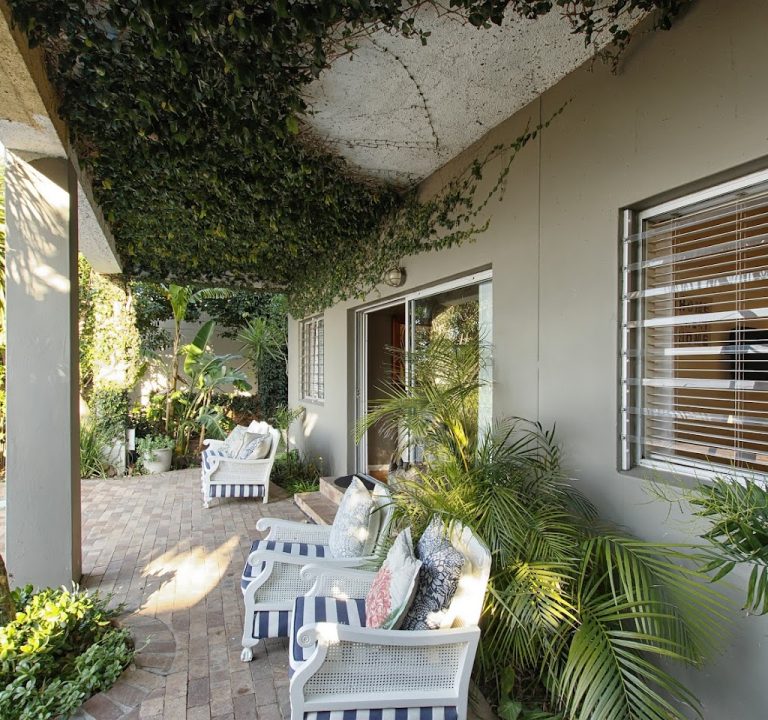
Typical amenities to look for include dependable housekeeping, a responsive front desk, comfortable bedding, and reasonable noise levels. Many properties in Cape Town offer additional touches such as a pool, a garden or veranda, a small gym, laundry facilities, and a guest lounge. Breakfast options can range from light continental spreads to full cooked meals, with options for dietary requirements. If you’re drawn to a sense of place, consider accommodations that showcase local decor, with curated artwork or furnishings that reflect the surrounding neighbourhood and landscape without compromising comfort or privacy.
Transport in Cape Town is manageable with a combination of walking, rideshare, MyCiTi buses, and rental cars. If your stay is situated near the city bowl or the Atlantic Seaboard, walking and short rides can cover most interests. To venture to wine country or the southern suburbs, a car or organised tours may be more efficient. For those who prefer eco-conscious options, some operators offer guided walks, cycling routes along the waterfront, or day trips to famous viewpoints. At popular viewpoints, be prepared for crowds and plan early in the day to capture the best light for photographs of Table Mountain and the coastline.
Best time to visit Cape Town depends on you: late spring and autumn offer mild weather and fewer crowds, while summer brings long days and a lively outdoor scene. Winter is cooler and can be more temperate on the southern coastline, with fewer tourists and the chance of occasional rain. If you’re aiming to combine city sights with outdoor adventures, consider shoulder seasons when you can enjoy the scenery with a little more breathing room. Always check the weather forecast before heading to outdoor landmarks, and plan rest periods to avoid fatigue after long days of exploring.
When it comes to attractions and experiences, you’ll find Cape Town rich in options that suit a broad range of interests. Iconic viewpoints, historic neighbourhoods, nature reserves, botanical gardens, and modern culinary hubs all sit within reach. Dining in Cape Town can be as varied as the landscape itself, from casual bistros with local produce to refined eateries offering panoramic harbour views. Rather than chasing specific names, look for places that emphasise seasonal menus, regional flavours, and thoughtful service. Public markets, cultural centres and wine estates nearby can provide easy day trips that weave together scenery, food and local crafts.
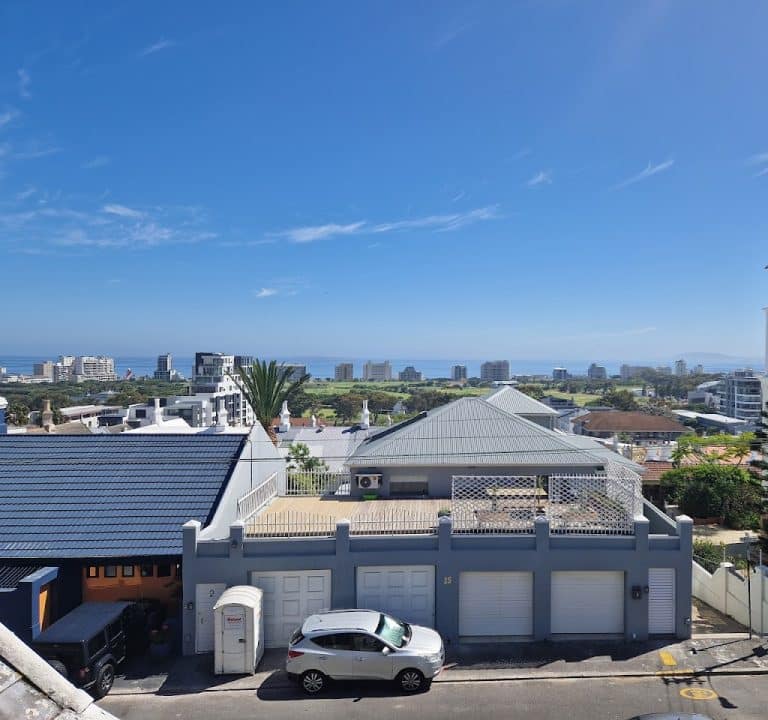
In the spirit of providing practical context, a boutique stay such as Upper Green Point Roos Villa can illustrate how a thoughtfully designed room, intimate service and close proximity to the harbour and city amenities can enhance your visit. While each stay is unique, the shared aim remains the same: comfortable accommodation that supports your travel rhythm, paired with experiences that deepen your sense of place in Cape Town’s remarkable surroundings.
- Choose a base with easy access to your planned activities and transport links.
- Check for essential amenities and flexible cancellation policies.
- Pack for mixed weather and varied terrains, from beaches to mountain viewpoints.
- Balance days of exploration with downtime to absorb the scenery and culture.
- Utilise reputable local tours or guides for focused insights and safe travel.
For further inspiration and practical planning, visit Cape Town Tourism or trusted travel guides for up-to-date recommendations on routes, dining and seasonal events. A well-planned itinerary that blends accommodation comfort with a spectrum of sights and experiences will help you savour the best of Cape Town’s charm and hospitality.