Accommodation and Experiences in Cape Town: A Traveller’s Guide to Planning a Stay
Cape Town, perched between the Atlantic Ocean and the iconic Table Mountain, offers a diverse range of places to stay and a wealth of experiences for every kind of traveller. When planning your visit, think about what you want from the setting, the pace of your days, and how you will get around to experience the city’s contrasting neighbourhoods and natural beauty. A well-chosen base can cut travel time, reduce daily stress, and maximise time spent exploring, tasting and relaxing.
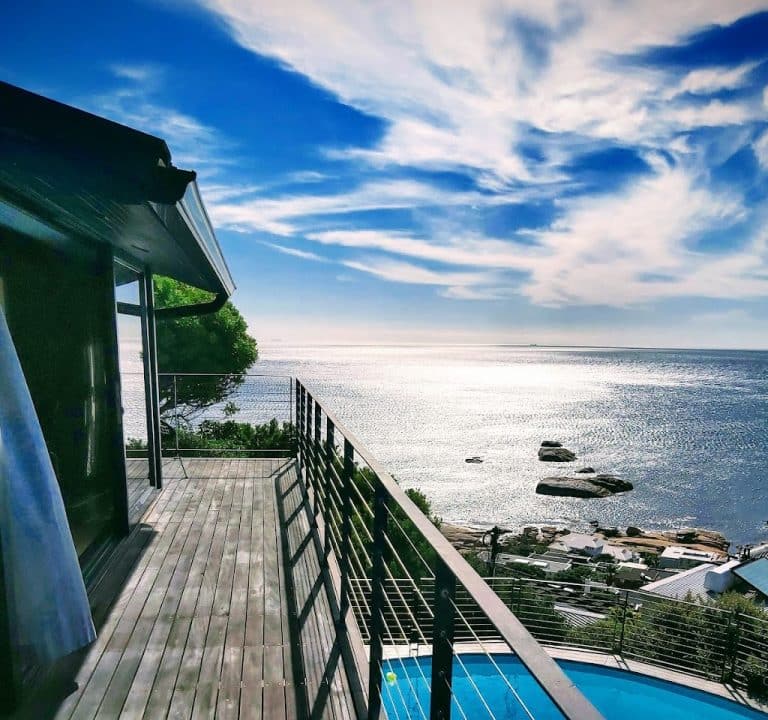
Accommodation options in Cape Town span boutique guesthouses, self-catering apartments, family-friendly holiday homes, and larger lodges close to wine country. In the city bowl and nearby coastal suburbs, you’ll find stylish townhouses and modern apartments within easy reach of highlights such as Table Mountain, the V&A Waterfront, and the city’s vibrant dining scene. For a beachy vibe, areas along the Atlantic Seaboard—such as Camps Bay and Clifton—offer sea views and sunsets, while Green Point and the de Waterkant provide convenient access to city sights and public transport. If you prefer a more rural ambience with easy access to wine routes, Constantia and the Southern Suburbs offer leafy streets, gardens, and historic mansions. A family-friendly stay is often found in areas closer to the beaches and parks, with self-catering homes and guesthouses that provide space and flexibility.
When choosing where to stay, consider your daily plan. Do you want a lively neighbourhood with many restaurants within walking distance, or a quieter base from which to explore Cape Town’s natural attractions? For convenience, proximity to the MyCiTi bus routes or the city’s rail links can simplify trips to major sights, while car hire remains a practical option for exploring winelands and coastal viewpoints at your own pace. If you crave scenic mornings, a higher-up location with views of the Atlantic Ocean or Mountain can be memorable. For easy access to beaches, look for properties with private access or short strolls to the sand, and for a cultural immersion, consider areas with easy access to markets, galleries, and historic districts.
Typical amenities to look for include reliable wi‑fi, flexible check-in options, secure parking, well-equipped kitchens or kitchenettes, and thoughtful local touches such as laundry facilities, comfortable outdoor spaces, and clear guidance on nearby eateries and activities. A well-run property will provide clear house rules, a concise guide to the neighbourhood, and local tips for day trips. If you are staying in a self-catering option, check for essentials such as coffee facilities, a good-quality cooker, sufficient cookware, and a reliable toaster. For longer breaks, prioritise spaces with storage, work tables, and laundry facilities to keep things comfortable and practical during your stay.
Practical planning tips to help you make the most of your time in Cape Town:
- Book early for peak seasons, especially December to February, and around major public holidays, when demand for accommodation in popular neighbourhoods is high.
- Confirm access to parking or transport options, as some central areas may have limited or paid parking, and public transport can be slower at busy times.
- Ask hosts or property managers for the best local recalls—markets, craft districts, viewpoints, and safe walking routes at night.
- If you plan day trips to the Cape Peninsula, Constantia, or the Winelands, explore self-drive itineraries or guided tours that cover transportation and key stops efficiently.
Best time to visit Cape Town balances weather, crowds, and sea conditions. The summer months (approximately November to February) are warm and ideal for beaches and outdoor activities, though they can be busy. Spring (September to November) and autumn (March to May) offer milder temperatures, fewer crowds, and excellent viewpoints for photography and hiking. Winter (June to August) is cooler and wetter, but can still be appealing for indoor cultural experiences, museum visits, and dining, with the added atmosphere of dramatic coastal weather. Pack layers, a light waterproof, and comfortable shoes for walking on uneven surfaces, and remember that coastal conditions can change quickly, especially on mountains and in marine locations.
Attractions and experiences tend to fall into broad categories rather than fixed itineraries. You can pursue scenic viewpoints and nature walks, take guided tours focused on history and culture, or enjoy the city’s culinary scene, seafood eateries, and markets. For a balanced visit, consider pairing outdoor days with a couple of relaxed evenings sampling neighbourhood dining, wine options in nearby winelands, and a stroll along a promenade or harbour area to soak up the city’s maritime atmosphere. Public art, historic districts, and local markets offer a window into daily Cape Town life without needing to commit to formal tours or expensive reservations.
For travellers seeking a practical anchor, a good starting point is a self-contained holiday home or boutique guesthouse in a well-connected neighbourhood. Such a base often provides a comfortable home-from-home feel, with kitchen facilities for flexible meals, and a central location from which to explore the city and its surroundings. A property such as a dedicated holiday home with a coastal outlook can be a memorable choice, offering privacy, space, and a sense of being grounded in a vibrant, scenic city. If you are curious to see how a Cape Town stay can be structured, you can explore sample properties and guest reviews on reliable travel platforms, and visit the host’s official site for essential details and the booking process. For example, a representative holiday home might present itself with a dedicated website outlining location, amenities, and guest information, and a booking page to confirm availability and terms.
When planning your itinerary, balance exploration with downtime. Cape Town rewards slow discovery—walkable streets, harbour jogs, and a sunset at the sea, followed by dinner in a multicultural dining quarter. Whether your stay is a short city break or a longer holiday, choosing the right accommodation and a thoughtful plan will help you make the most of this remarkable destination. For those interested in a reference point, a well-presented property with an informative website and a convenient location can be a reliable start to realising a memorable Cape Town stay. For further ideas and inspiration, you can visit the property’s site at http://www.capetownhouse.com/.