Where to stay and what to do in Cape Town: a practical guide for travellers
Cape Town is a city of contrasts, where ocean horizons meet dramatic mountains and vibrant neighbourhoods pulse with character. When planning a stay, choosing the right area can shape your experience as much as the accommodation itself. Whether you want glamorous coastal views, hillside tranquillity, or convenient access to cultural highlights, there are options to suit every style and budget.
For many visitors, the city centre and the Atlantic Seaboard provide a dynamic mix of easy access to sights, restaurants, and nightlife, while the constantia valley offers green, tranquil surroundings with a wine-country breeze. If you prefer a more relaxed, residential ambience with quick beach access, areas such as Sea Point, Green Point, and Camps Bay are popular. For a countryside escape close to vineyards and hiking trails, Constantia or the nearby Winelands are ideal. Budget-conscious travellers may find good value in smaller guesthouses or boutique hotels in the Central City, Gardens, or Observatory, which often place you within walking distance of markets, cafés, and cultural venues.
Accommodation types range from stylish villas and boutique hotels to guesthouses and self-catering apartments. When booking, consider factors such as distance to the places you plan to visit, whether you’ll rely on rental car, Uber, or public transport, and the level of access to beaches or scenic viewpoints. If a sea-facing room is important, check that the property’s photos accurately reflect the view and that the room size meets your needs. If you prefer quiet nights, inquire about street noise, building age, and soundproofing. For families or groups, look for properties offering flexible layouts, kitchen facilities, and parking on site.
Typical amenities across well-run Cape Town properties include Wi‑Fi, complimentary tea and coffee facilities, secure parking or easy public transport access, and daily housekeeping or refreshment services. Many describe themselves as child- or pet-friendly, or as having facilities for guests with mobility needs. While you won’t usually find every wish catered to, you can often request extras such as airport transfers, guided activities, or restaurant reservations through the accommodation’s concierge or front desk. When reviewing options, consider value beyond the nightly rate: proximity to markets, reliable laundry services, and the possibility of arranging day trips or wine tastings can add substantial convenience to your stay.
Getting around Cape Town is straightforward but varies by area. If you stay near the city centre or the Atlantic coast, you’ll often be within walking distance of many attractions, with ride-hailing services a convenient option for more distant sights. If you hire a car, you’ll have the freedom to explore beaches, viewpoints, and the Cape Peninsula at your own pace, though parking can be limited in peak areas. For mountain adventures, a day trip to iconic sites such as Table Mountain, Signal Hill, or the Cape Point Nature Reserve is common, with guided tours offering interpretive context and easy transport. If you prefer planning at a relaxed pace, consider a base near a MyCiTi bus route or popular tourist hubs, which can simplify access to major sights and markets.
The best time to visit Cape Town depends on your priorities. Summers (November to March) bring long days, warm temperatures, and lively seaside activity, though coastal winds can be strong at times. Winter (June to August) offers cooler temperatures and fewer crowds, with excellent conditions for wine tastings and indoor cultural experiences. Spring and autumn provide milder weather and quieter streets, sometimes with fresh bloom-and-spring produce in markets. Think about what you want from your days—outdoor hikes and beaches, or museum exhibits and culinary discoveries—and plan accordingly.
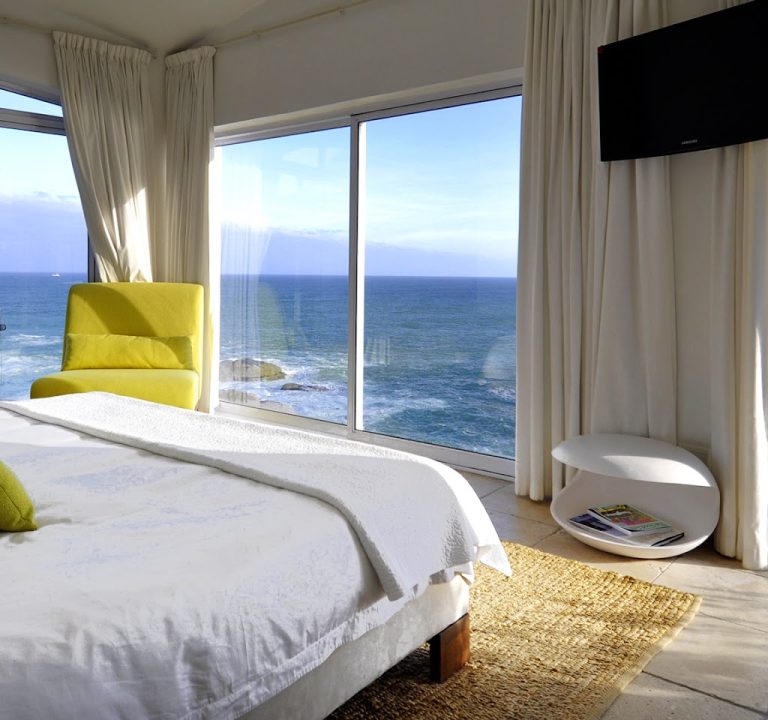
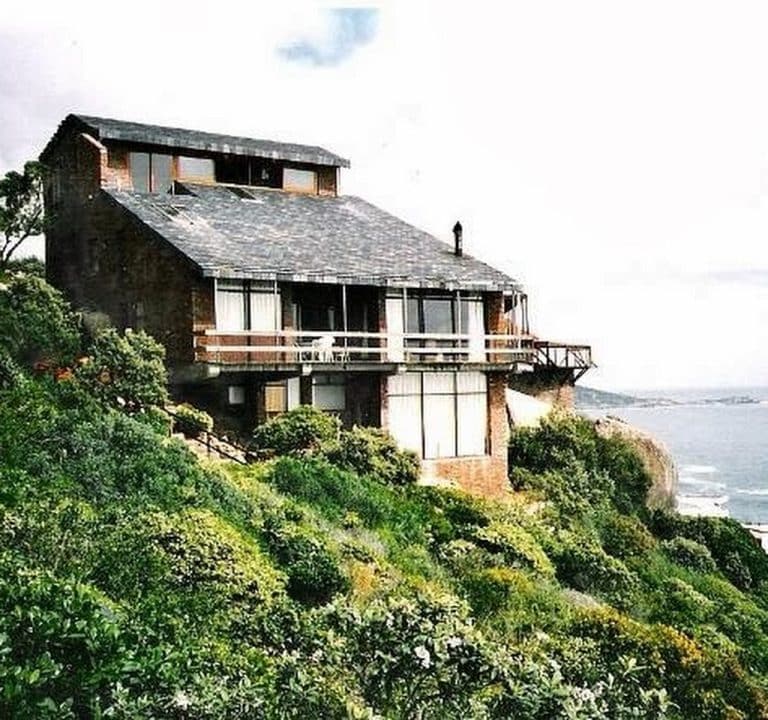
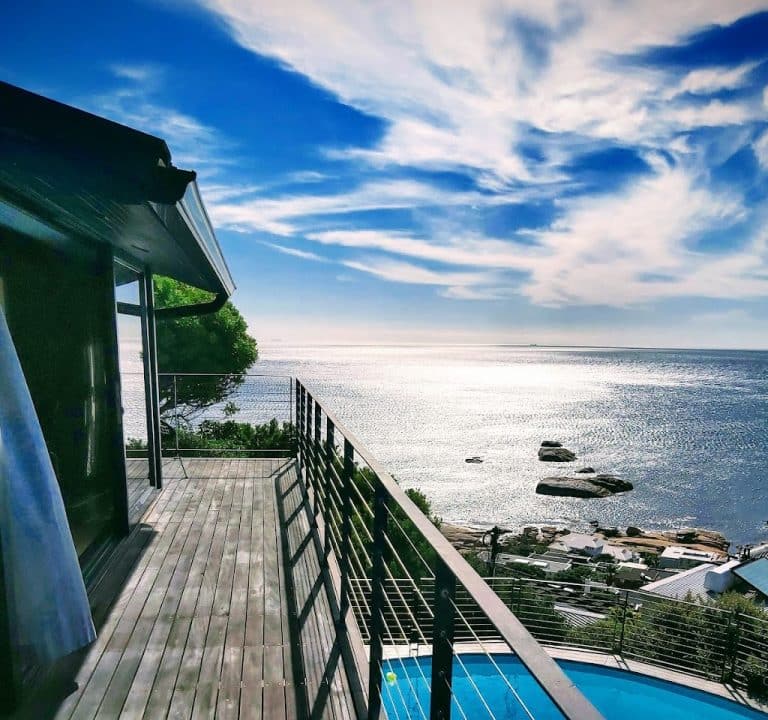
One practical example of accommodation to consider is Sunset Villa 23, a villa-style option that presents a base from which to explore the region. You can learn more about this property through its website at Sunset Villa 23, which offers insights into its layout, location, and available facilities. When exploring similar stays, pay attention to guest reviews about convenience, cleanliness, and responsiveness of hosts. A well-placed villa or guesthouse can simplify your logistics, particularly if you’re travelling with a family or a small group, or if you prefer a home-like environment with private spaces and a kitchen or lounge area.
Beyond place to sleep, Cape Town offers a wealth of experiences. You can stroll along the waterfront to absorb the maritime atmosphere, take a cable car (where available) to elevated viewpoints, or set out on scenic coastal drives. The region’s restaurants span everything from casual harbour meals to refined dining with mountain views, often celebrating local ingredients such as seafood, peri-peri flavours, and farm-to-table produce. Markets and cafés showcase local crafts, coffee roasters, and fresh produce, making a day of exploration both tasty and visually engaging. Day trips to nearby wine estates, botanical gardens, and nature reserves offer a balanced mix of outdoor activity and relaxed social spaces.
- Plan with flexible days to accommodate changing weather and light for outdoor activities.
- Book accommodation with easy access to transit or parking, and consider kitchen facilities for longer stays.
- Balance mountain, city, and coast experiences to avoid fatigue and enjoy variety.
- Check cancellation policies and guest reviews for insights into hosts' responsiveness.