Sunset on the rocks: Accommodation and experiences in Cape Town
Cape Town is a city built on striking contrasts, where ocean-front stays sit alongside rugged mountains and vibrant urban neighbourhoods. When planning a stay in this Western Cape gem, consider how you want to move around, what kind of ambience you prefer, and which views will stay with you long after your trip. From stylish self-catering options to guesthouses with personalised touches, there is something to suit most itineraries and budgets.
Areas to consider include the Atlantic Seaboard, where coastal views and easy access to beaches and fine dining create a polished, resort-like feel. The City Bowl offers a more metropolitan vibe with easy access to cultural sites, markets, and a lively restaurant scene. For a quieter atmosphere with scenic landscapes, the Constantia Valley and the southern suburbs provide leafy streets, wine estates and tranquil suburban stays. If you’re chasing a rugged coastal experience, the Atlantic Seaboard’s rocky promontories or the nearby Cape Peninsula towns offer dramatic scenery and a slower pace. Think about proximity to the V&A Waterfront for day trips, table-top adventures, and convenient transport links, as well as how you’ll get around once you’re there.
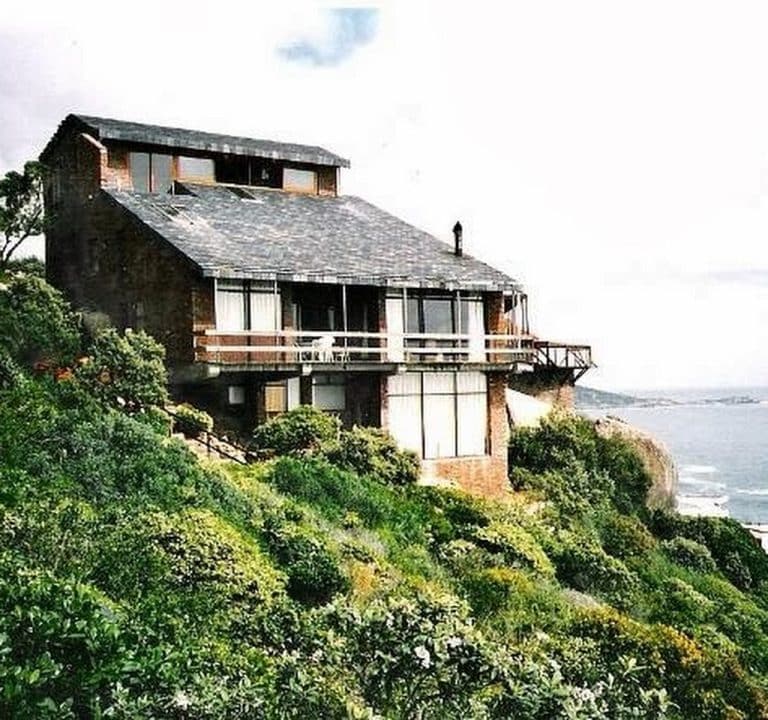
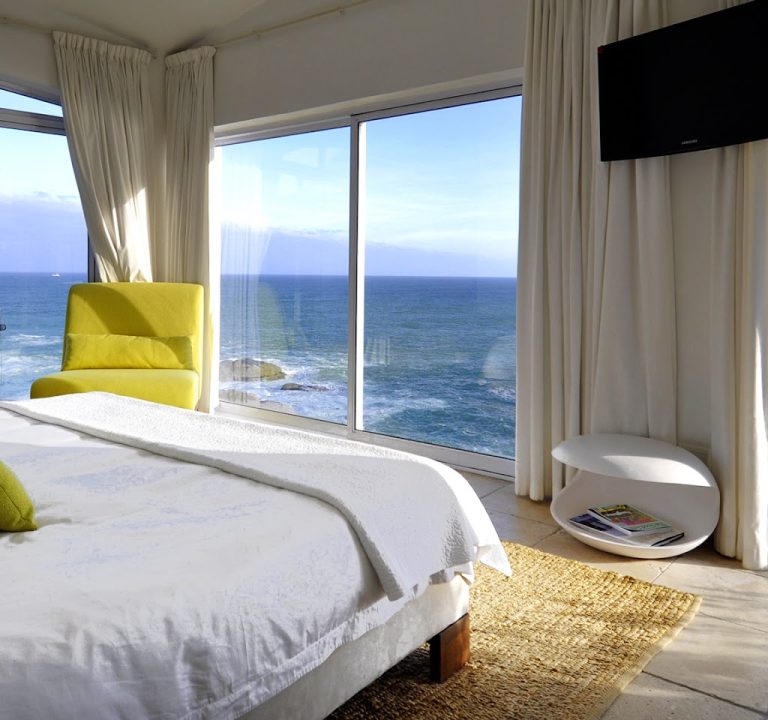
When booking, look for three core elements: comfort, practicality, and character. Comfort means clean, well-equipped spaces with reliable heating or cooling, appropriate linens, and good lighting. Practical features include clear directions to your property, a well-equipped kitchen if you’re using a self-catering option, and secure parking or easy transport access. Character can come from thoughtful touches—local décor, a well-curated guide to the neighbourhood, and suggestions for visually striking viewpoints or lesser-known eateries. For self-catering stays such as Sunset on the rocks, read the listing descriptions carefully to understand what is supplied—kitchen appliances, cookware, and trustworthy housekeeping arrangements can make a big difference to a relaxed stay.
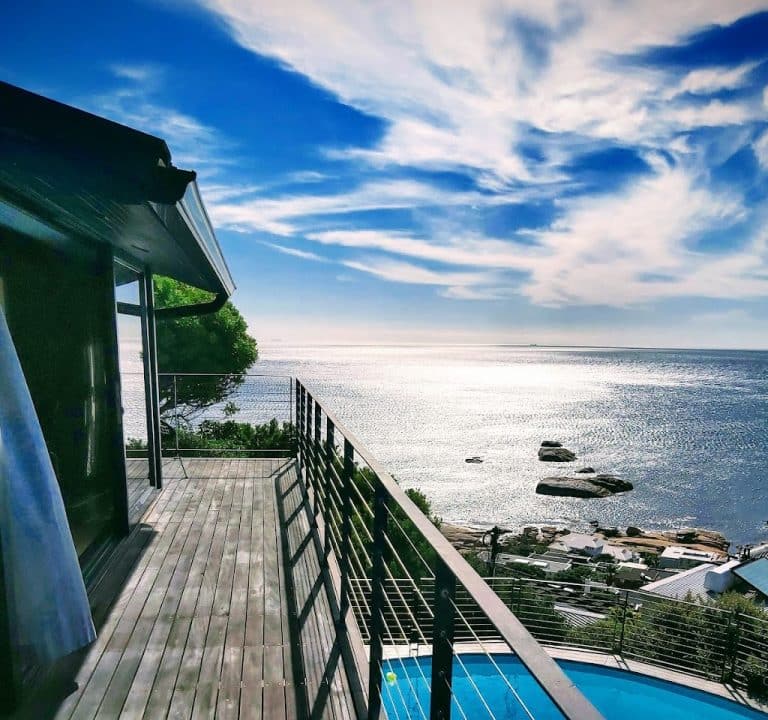
Typical amenities across Cape Town’s accommodation range from the essentials to the indulgent. Expect well-equipped kitchens with dishware and utensils, comfortable living spaces, and Wi‑Fi. Some properties offer daily or mid-stay cleaning, laundry facilities, and outdoor spaces such as balconies or patios with sea or mountain views. In many neighbourhoods, secure access or on-site parking is a practical benefit, especially if you plan day trips to the Cape Peninsula, Cape Point, or nearby winelands. If you prefer a more social stay, look for guesthouses or boutique hotels that host communal lounges, serviced breakfasts, or small outdoor dining areas.
Transport is a practical part of planning. Cape Town’s geography makes a car helpful for exploring beyond your base, but many areas are walkable or accessible by rideshare and taxi services. If you won’t have a vehicle, prioritise properties near MyCiTi bus routes, the Clock Tower, or the V&A Waterfront to maximise your day trips and dining options. For day trips to the Cape Peninsula, Promise yourself a scenic drive along the Atlantic Seaboard, a stop at a vantage point, and time to enjoy a coastal village or a wine estate. Remember to factor in peak traffic times, especially during the summer months and around major events, to avoid delays on popular routes.
The best time to visit Cape Town depends on what you want from your trip. Summer brings long days and lively coastal scenes, ideal for beach lovers and outdoor escapades. Spring and autumn offer milder weather and quieter streets, which can be ideal for sightseeing and winelands visits. Winter brings cooler, windy days but can be a good time to explore museums, markets, and intimate eateries without the crowds. Whatever the season, plan for variety: morning hikes or coastal walks, afternoon wine-tasting in nearby Constantia or neighbours, and evening meals in neighbourhood hubs that showcase Cape Town’s rich culinary scene.
- Book with flexible cancellation where possible, especially if your plans might shift with weather or events.
- Check the host’s guidance on check-in procedures, security, and local tips for safe neighbourhood navigation.
- Ask about nearby attractions and dining recommendations to tailor your itinerary to your interests.
Attractions and experiences in broad terms include taking in sweeping viewpoints from Table Mountain or signal points along the coast, exploring historic sites and markets, and sampling a range of cuisine—from seafood-focused eateries to modern fusion venues. For those seeking nature, close-by reserves and scenic drives deliver rugged landscapes and coastal flora. Restaurants tend to span casual bistros to refined eateries, with an emphasis on fresh seafood, regional produce, and cosmopolitan menus that reflect Cape Town’s creative food scene. When planning your days, build in time for a sunset moment over the ocean or mountain, a hallmark of many Cape Town stays that helps frame your entire visit.
For inspiration and practical planning, you can consult official tourism resources for Cape Town and the Western Cape, which offer maps, suggested itineraries, and seasonal highlights. While exact prices, awards, or endorsements are not part of this guide, these resources can help you compare areas, understand transportation options, and discover experiences that align with your interests. A stay in a self-catering option like Sunset on the rocks can provide flexibility, a home-from-home feel, and the chance to tailor meals and daily rhythms to your pace.
In sum, Cape Town rewards travellers who balance location, comfort, and planful spontaneity. By selecting an area that suits your pace, confirming practical amenities, and leaving room for both iconic sights and gentle exploring, you can craft a memorable stay that blends natural beauty, culinary discovery, and regional charm.