Where to stay in Cape Town and how to plan your visit
Cape Town blends dramatic natural scenery with a vibrant urban fabric, making it an ideal destination for a varied stay. When choosing accommodation, think about what you want most from your trip: easy access to Table Mountain and the Atlantic coastline, a lively dining scene, or a quieter retreat with easy transport links to the city centre. Self-catering options, boutique guesthouses, and larger hotels each offer different advantages depending on your plans and budget. If you are considering a self-catering stay, look for properties that combine comfort with practical kitchen facilities and reliable housekeeping, as these features can make longer visits more convenient.
Areas to consider include:
- City Bowl and the historical heart of the city—great for walkers, museums, and easy access to public transport.
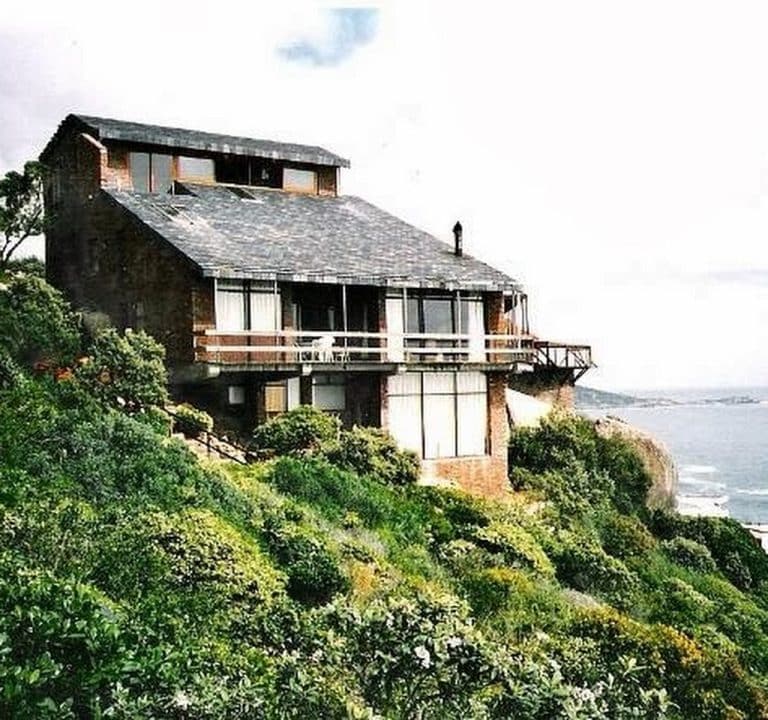
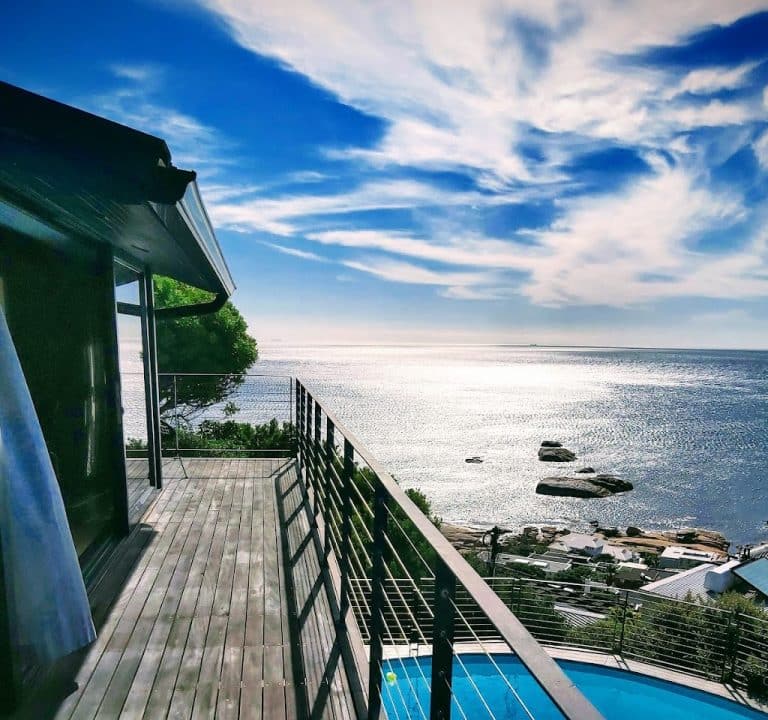
- Atlantic Seaboard towns such as the Seaboard precincts and Camps Bay for coastal views and beach access.
- Constantia and the Southern Suburbs for leafy streets, wine estates and easy drives to the Cape Point route.
- Bo-Kaap and Green Point for cultural flavour and proximity to major attractions.
When booking, assess the following to ensure a smooth stay. First, location relative to intended activities. If your days will be spent largely outdoors or sightseeing around the city, a central base with reliable transit options can cut travel time. If you plan day trips to the Cape Peninsula or Cape Point, staying in the southern suburbs or along the Atlantic coast can minimise long commutes. Next, review the property type and its amenities. Self-catering units should have a well-equipped kitchen, including a fridge, oven or microwave, adequate utensils, and sufficient storage. Laundry facilities, ironing equipment, and reliable Wi-Fi are practical comforts for any stay. For boutique guarantees, look for characterful interiors, preserved period features, or standout views, while ensuring that essential comforts—quiet rooms, good bedding, and functional bathrooms—are not overlooked.
Transport in Cape Town is well served by a mix of public and private options. The city operates a rapid transit bus network and a growing cycle-friendly culture in certain areas, though some routes can be hilly or busy. Uber and other ride-hailing services are common and convenient, especially for evenings out or trips back from attractions. If you are driving, check whether your accommodation has secure parking or nearby options, and plan your routes to popular landmarks such as Table Mountain, the waterfront, and the Constantia wine routes. A practical tip for visitors is to consider the timing of peak traffic, particularly during school holidays and major events, which can influence travel times between venues.
Best time to visit Cape Town blends weather, events and personal preference. The summer months (December to February) are generally sunny, with warm sea temperatures ideal for beaches and outdoor activities. Spring (September to November) brings wildflowers, milder temperatures, and fewer crowds in some areas, while autumn (March to May) offers pleasant weather and slower-paced sightseeing. Winter (June to August) is cooler and wetter, but many indoor experiences, markets, and dining venues remain lively. For a balanced itinerary, mix outdoor exploration with indoor culinary stops and museum visits, allowing for flexible days in case of unexpected weather.
Practical planning tips for a comfortable stay include
- Booking a well-equipped apartment or guesthouse in advance, especially during peak seasons, to secure kitchens, laundry facilities, and parking if needed.
- Checking access details for your unit, including entry systems, lift availability if staying on higher floors, and proximity to stairs or elevators.
- Reading guest reviews for honesty about noise levels, ventilation, and view quality.
- Confirming the nearest supermarkets, medical facilities, and transport hubs in case of longer stays.
- Booking a mix of self-guided activities and guided tours to balance discovery with some structured experiences.
Attractions and experiences are plentiful beyond the accommodation. Iconic natural landscapes such as a cable-car ascent or guided hikes on Table Mountain offer spectacular views, while the Cape Peninsula route provides dramatic coastal scenery. The V&A Waterfront area combines shopping, dining and harbour atmosphere, with a range of experiences from boat trips to marine life encounters. For food lovers, Cape Town’s dining scene ranges from casual eateries to more refined establishments that showcase local ingredients and global influences. In terms of dining and day trips, it’s worthwhile to pace your days with comfortable breaks and time to simply stroll the streets, enjoy a café cultured vibe, and soak up the city’s distinctive energy.
Lastly, keep a flexible mindset. Cape Town’s weather can change quickly, and the city rewards visitors who adapt their plans with a mix of scenic beauty, culinary discovery, and warm local hospitality. If you want a starting point for planning, reputable travel resources offer general guidance on routes, seasonal events, and practical tips. For those seeking specific stays, brief descriptions of neighbourhoods and accommodation types—such as self-catering options like Andacasa or similar offerings—can help you tailor a stay that balances independence with comfort. A well-chosen base, thoughtful planning, and an open itinerary will help you enjoy Cape Town’s landscapes, culture, and flavours to the fullest. You can explore more at official tourism sites or trusted travel guides to refine your plans and confirm current recommendations and routes.