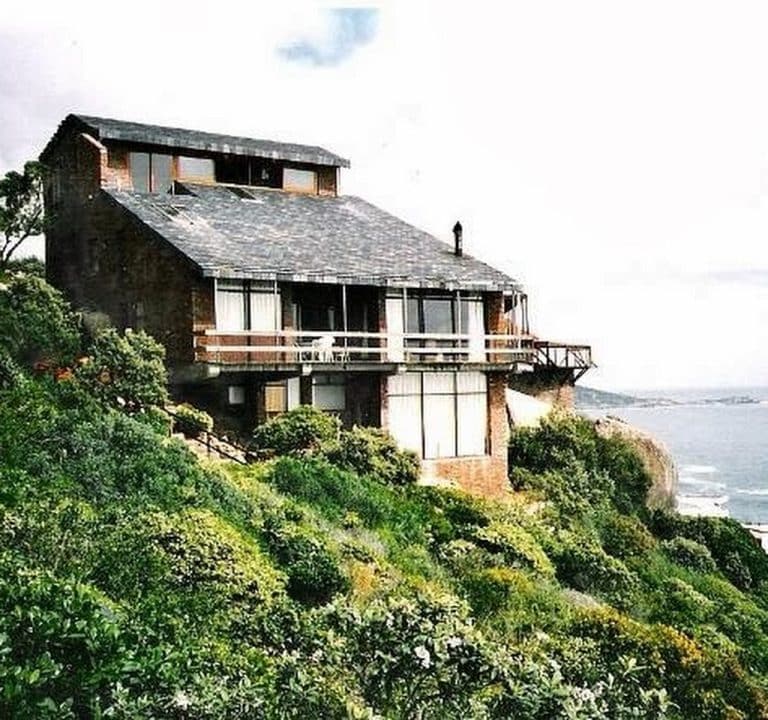
Cape Town: A guide to accommodation and fellow attractions for a well-rounded stay
Cape Town sits proudly on the edge of the continent, where mountain scenery meets sweeping coastline. When planning a stay, many visitors weigh proximity to the city’s most iconic sights against the convenience of transport links, the character of a neighbourhood, and the kind of lodging that suits their travel style. From boutique guesthouses to modern apartments and seasonal lodges, there are plenty of options to consider for a comfortable and memorable visit.
Where to stay often comes down to experience and access. The City Bowl and V&A Waterfront offer easy strolls to museums, markets and waterfront dining, with a lively urban atmosphere and a wide range of accommodation types. Green Point and Sea Point provide a coastal mood with views of the Atlantic and easy access to the sea front promenades. For a quieter, leafy retreat close to the winelands, Constantia and Newlands offer characterful guesthouses and self-catering options surrounded by vineyards. If you’re after pristine beaches and dramatic scenery, Camps Bay or Clifton are ideal, though they can be pricier and busier in peak season.
What to look for when booking is as important as where to stay. Consider the following practical points to help you choose lodging that matches your trip:
– Room type and layout: Whether you want a studio with a kitchenette, a compact hotel room, or a spacious suite, verify if you can separate sleeping spaces for families or groups.
– Amenities: Free Wi‑Fi, secure parking, self-catering facilities, laundry access, and a reliable elevator in taller buildings can significantly affect convenience, especially for longer stays.
– Proximity to transport: If you’ll rely on public transport, look for lodgings near MyCiTi bus stops, train stations, or taxi/ride-share hubs. In some areas, street parking may be limited; confirm parking options if you’re driving.
– Security and access: South Africa’s cities require basic precautions. Seek well-lit entrances, 24‑hour reception, and guaranteed safe storage for valuables.
– Cleanliness and character: Read recent reviews for cleanliness, sound insulation, and how well the property preserves its local character, whether it’s a cosy guesthouse or a contemporary apartment with a sea view.
– Accessibility and inclusivity: If mobility is a consideration, check for step-free access, lift availability, and clear information about public spaces nearby.
Transport in Cape Town is convenient but varies by neighbourhood. The MyCiTi bus network covers many popular routes, while Uber and local cabs offer flexible door-to-door service. If you plan day trips to the Cape Winelands, the Cape Peninsula or nearby nature reserves, some properties can arrange guided tours or airport transfers. Remember that during peak season traffic can be heavy around city centres and popular beaches, so building extra time into your plans is wise.
The best time to visit Cape Town depends on what you want from the trip. Spring (September to November) and autumn (February to April) are excellent for mild weather and manageable crowds, with coastal scenery at its best and fewer queues at major attractions. Winter (June to August) is cooler and wilder on the Atlantic coast, but still offers stunning landscapes, whereas summer (December to February) brings lively beaches and abundant outdoor activities, though popular spots may be busier and hotel rates higher.
What to do and where to eat are as much part of the stay as the room itself. Iconic indoor and outdoor experiences sit beside world-class dining and vibrant markets. In broad terms, you might plan days around panoramic viewpoints, city tours, and harbour-side strolls, with evenings in bistros, seafood restaurants, or casual eateries offering South African flavours and international influences. If you’re curious about wine and scenery, a day trip to the winelands makes an excellent add-on to a Cape Town base, often pairing tastings with leisurely vineyard meals and scenic countryside. For families or groups, parks, adventure activities, and cultural centres offer engaging options suitable for various ages and interests.
Hotels and lodging vary from boutique stays with a homely atmosphere to larger properties with shared social spaces, which can be a convenient way to meet fellow travellers. Many guesthouses and smaller lodges emphasise warm hospitality, breakfast options, and personalised service, while self‑catering apartments provide flexibility for longer visits or budget-conscious travellers. In all cases, a reliable online presence with clear booking policies, transparent cancellation terms, and up-to-date information about facilities is worth prioritising.
For a representative example of indoor accommodation in Cape Town, properties that centre on comfort and convenience tend to highlight secure access, comfortable communal spaces, and practical amenities. A stay here can serve as a calm base after exploring Cape Town’s range of attractions, from Table Mountain and the wide Atlantic shoreline to museums, markets, and a diverse restaurant scene. If you’re considering a stay that blends location with facilities, visiting a well-located, well-reviewed option near the waterfront or the city’s hillside districts often delivers a balanced experience of convenience and character. You can explore options and book directly via partner sites and the properties’ own pages, such asBeach Music, which offers a dedicated space for indoor lodging and related services: https://www.beachmusic-capetown.com/.
In short, planning a Cape Town stay is about balancing location, amenities, and the pace you want. Choose a base that matches your preferred rhythms—whether that means stepping out to bars and markets from a central hub, or retreating to quieter streets with easy access to nature—and you’ll be well prepared to enjoy the city’s hospitality, sights, and flavours in true Cape Town style.
- Areas to consider: City Bowl, V&A Waterfront, Green Point, Sea Point, Camps Bay, Constantia.
- Key considerations: transport links, safety, parking, self-catering facilities, and access to attractions.
- Practical tips: book in advance for peak seasons, check cancellation terms, and plan day trips to nearby regions.