Accommodation in Cape Town: Planning a Stay and Savouring the City
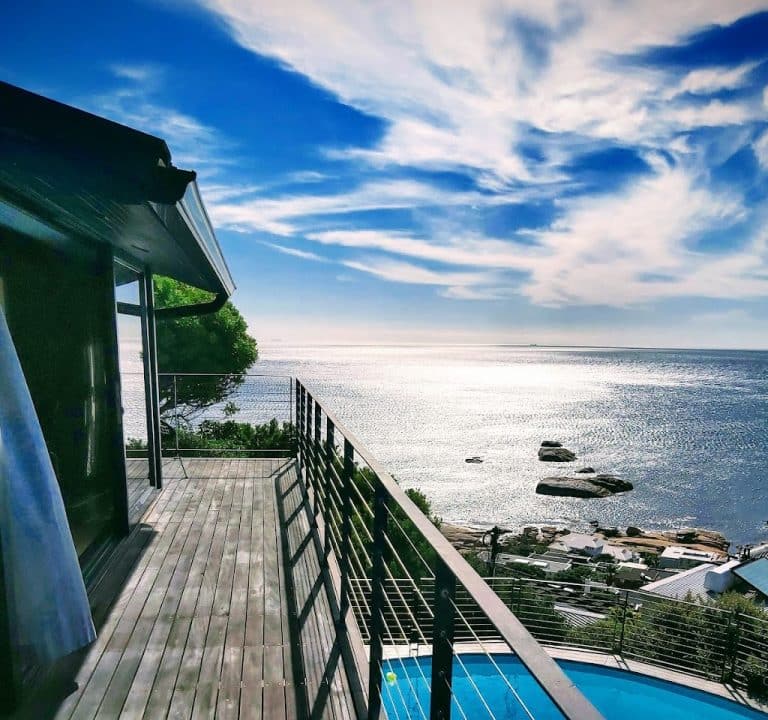
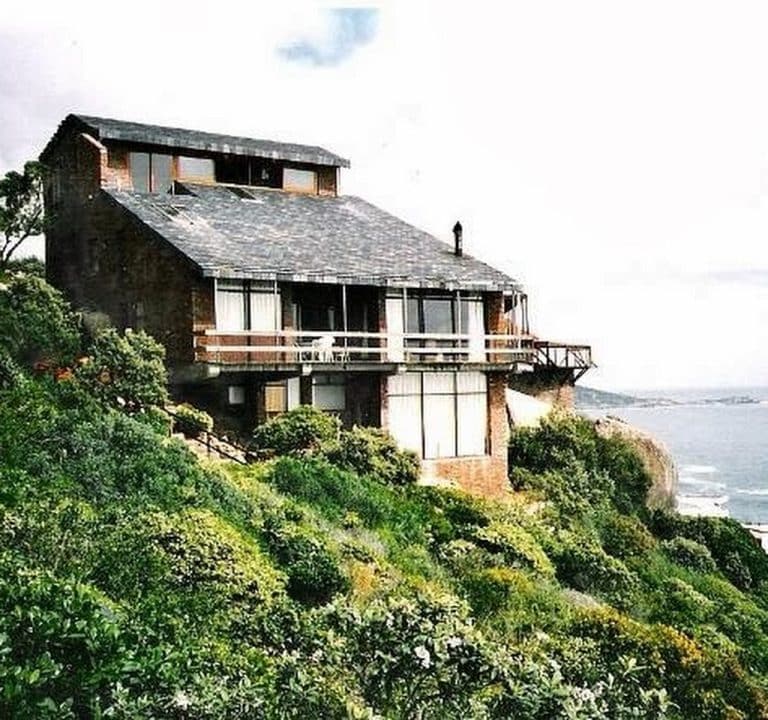
Cape Town offers a rich mix of places to stay, from stylish boutique guest houses to modern hotels and family‑friendly lodges. When planning a visit, think about what you want from a base: whether you prefer a lively urban hub with easy access to markets and nightlife, or a quieter neighbourhood with scenic views and a slower pace. Common options include guest houses that add a personal touch, self‑catering apartments for flexibility, and boutique hotels that pair thoughtful design with attentive service. An example of a guest house option in the area is Fisherman’s Bend Retreat, which can provide a dose of local character alongside comfortable rooms and communal spaces.
Neighbourhoods to consider include the City Bowl for central access and a cosmopolitan atmosphere, the Atlantic Seaboard for beaches and dramatic coastlines, and the Constantia Valley for green hills and wine estates. The V&A Waterfront area is perfect for easy harbour access, while the southern suburbs offer leafy avenues and relaxed dining. If you’re travelling with family, look for properties with generous living space, parking, and child‑friendly amenities. For couples seeking romance or a photography‑inspiring backdrop, a cliff‑top or seafront property can make a memorable base.
When you book, look beyond price to what you’ll actually use during your stay. Practical considerations include the size of the room, storage space, and whether there is a well‑equipped kitchenette or a continental breakfast option. Check the availability of reliable Wi‑Fi, air conditioning or heating, and good natural light. If you’ll be exploring on two wheels or with a car, confirm on‑site parking or easy street parking, as some areas can be busy. Booking platforms often highlight guest reviews focused on soundproofing, comfort, cleanliness, and the friendliness of hosts—a helpful guide to what you can expect in a busy tourist city.
Typical amenities in Cape Town accommodations vary but commonly include en‑suite bathrooms, daily housekeeping, secure reception or front desk access, and occasional extras such as a pool, terrace, or garden. Some properties offer curated experiences, from guided neighbourhood walks to private tastings at nearby wine estates. For a more rustic or maritime feel, you might find guest houses with wooden furnishings, sea‑facing balconies, and communal kitchens or lounges that encourage socialising with other travellers. If you have dietary restrictions, prioritize places with kitchen facilities or offer bespoke breakfast options so you can start the day well prepared for a day of sightseeing.
Transport in Cape Town is an important planning factor. The city is well served by taxis, ride‑hailing apps, and a growing network of buses and MyCiTi routes. If you’re staying near the city centre or the V&A Waterfront, you’ll be within short rides of many attractions. For more independent exploration, consider a car rental, but be mindful of peak hours and limited parking in denser districts. Some guest houses and boutique hotels offer guided shuttle services or partnerships with local operators for terrain‑appropriate activities, such as harbour cruises, wine‑tarming on the Constantia wine route, or scenic coastal drives along the Atlantic seaboard.
The best time to visit Cape Town depends on what you want from your trip. Summer (December to February) brings long, sunny days ideal for beach time and outdoor markets, but it can also be busy with holidaymakers. Spring (September and October) offers mild weather and blooming gardens, a great window for outdoor activities and vineyard visits. Autumn (March to May) provides pleasant temperatures and fewer crowds, while winter (June to August) is cooler and windier but can be excellent for enjoying museums, indoor dining, and dramatic ocean light. Pack layers, comfortable walking shoes, and sun protection for outdoor days; a light rain jacket is wise for the city’s changeable climate.
When planning activities, consider a mix of experiences. Iconic natural draws include vantage points from high hills for panoramic views, coastal walks along the Atlantic Seaboard, and visits to nature reserves and iconic beaches. Cultural highlights span local markets, historic districts with colourful architecture, and museums that illuminate South Africa’s diverse stories. For food lovers, Cape Town’s dining scene ranges from rustic eateries highlighting regional produce to stylish bistros with contemporary twists on South African flavours. In the surrounding areas, you’ll find a wealth of restaurant options that emphasise seasonal ingredients and seafood straight from the coast. Always check for reservation needs, especially in peak seasons, and be prepared to sample a few local favourites, from grilled fish and peri‑peri flavours to light, flavourful salads and fresh produce from markets and grocers.
Tips for a smooth stay:
- Read recent guest reviews to gauge consistency in cleanliness and host responsiveness.
- Ask about parking, security, and access to common areas if staying in a guest house or boutique hotel.
- Confirm breakfast arrangements and kitchen facilities if you prefer self‑catering options.
- Plan a mix of indoor and outdoor days to suit changing weather, especially along the coast.
- Check the neighbourhood’s transport options and safety tips for travellers in the evenings.
Finally, keep a flexible itinerary. Cape Town’s geography rewards slow exploration: a handful of well‑chosen base days allow you to dip into the city’s vibrant food scene, stroll historic streets, and then venture to nature’s bigger stages—whether it’s a dramatic coastline, a vineyard‑dominated valley, or a garden washed in spring light. With thoughtful accommodation choices and realistic planning, your Cape Town stay can balance comfort, discovery, and genuine local atmosphere.