Llandudno Rock Villa is a Villa establishment in Cape Town, Western Cape, South Africa
About Llandudno Rock Villa
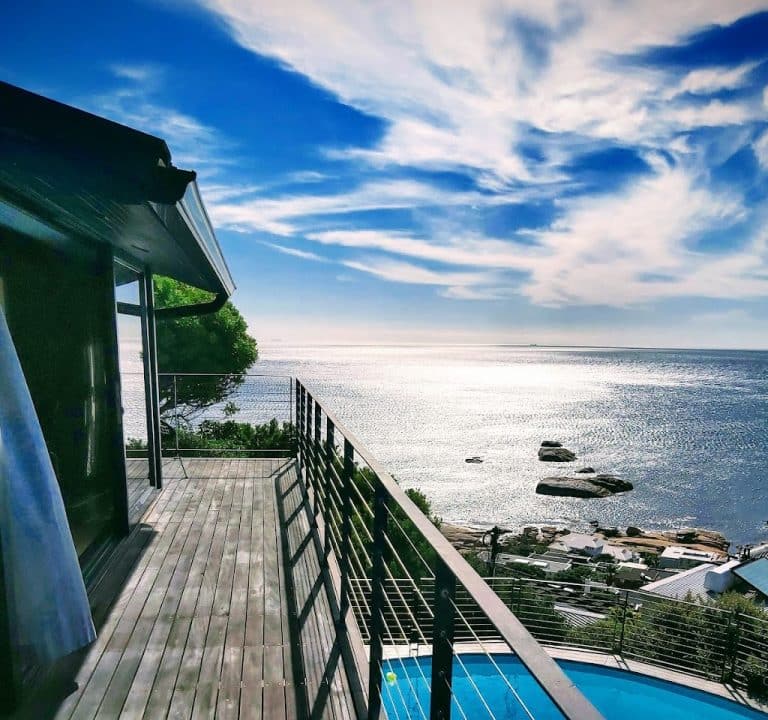
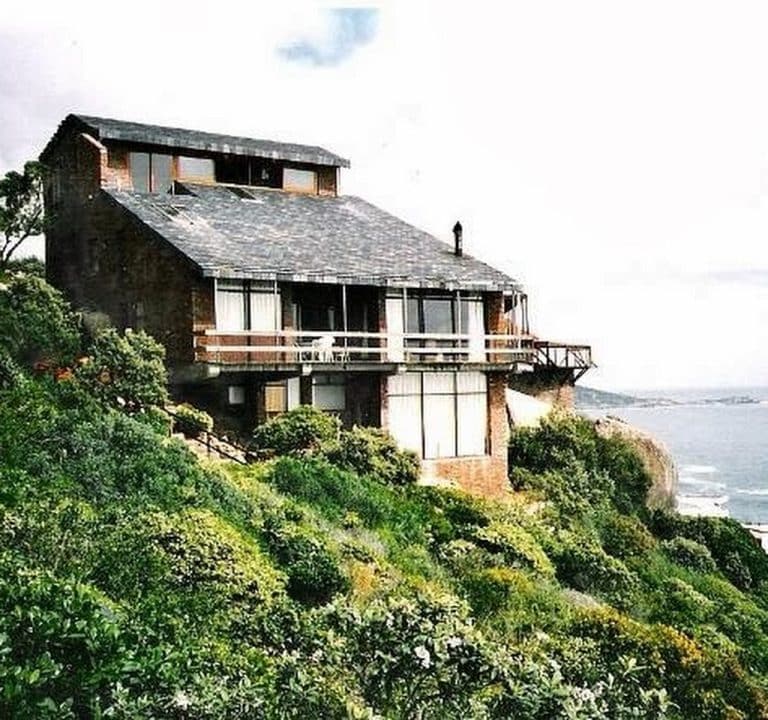
Perched along the Cape Town coastline, Llandudno Rock Villa presents a tranquil escape in one of the Western Cape’s most scenic neighbourhoods. The property sits within a landscape famed for its rugged rock coastline, sunlit ocean views and a relaxed rhythm that invites visitors to slow down and soak up the maritime atmosphere. Although precise room configurations and on-site facilities are listed in detail on the official website, the essence of the experience is clear: a stylish, coastal retreat designed for comfort, privacy and easy access to the shore.
From the moment guests arrive, the villa’s setting signals a blend of modern convenience with a laid‑back, seaside ethos. The architecture and interiors are crafted to maximise natural light and sea views, creating spaces where time seems to stretch a little and guests can unwind in a setting that feels both refined and uncluttered. The emphasis appears to be on creating a retreat that allows for intimate stays or gentle gatherings, with interiors that harmonise with the surrounding landscape rather than dominate it.
The appeal lies not only in the aesthetics but also in the practicalities of a coastal stay. Llandudno Rock Villa is positioned to offer a seamless balance between relaxation and exploration. Guests can anticipate a focus on comfort, with areas designed for lounging, socialising or quiet reflection after a day of coastal adventures. While the site highlights the villa as a refined home away from home, expectations regarding amenities and services are typically framed to support a low‑stress stay, where guests can settle in and enjoy the surroundings without unnecessary complication.
In terms of style, the property embodies a contemporary coastal look — clean lines, natural materials and a colour palette inspired by the sea and rock on which the villa sits. This design approach tends to create spaces that feel open and airy, encouraging guests to connect with the outdoors. For visitors accustomed to self‑contained stays, such a layout can be particularly appealing, providing common areas suitable for shared moments as well as private nooks for personal time.
Best suited for travellers seeking a dignified, quiet base from which to explore the Cape Town coast, Llandudno Rock Villa tends to attract guests who prioritise comfort, scenery and a sense of place. The surrounding area is renowned for its coastal beauty and proximity to a variety of activities and attractions. While exact nearby highlights are not itemised here, the broader Cape Town peninsula offers a mix of sun‑drenched beaches, scenic viewpoints and easy access to the region’s culinary and cultural offerings. The villa’s location makes it a convenient hub for day trips or relaxed afternoons by the sea, with the anticipation of uncomplicated travel between restful interiors and outdoor experiences.
For those planning a stay, practical travel tips can help maximise the experience. Arriving with a flexible mindset and an appreciation for the coast’s natural rhythms usually proves advantageous. Early mornings or late afternoons are often ideal times to explore the waterfront and surrounding cliffs, when the light is soft and the setting is particularly tranquil. Given the coastal setting, guests may wish to pack essentials for beach days, as well as layers for cooler evenings by the sea. Behind the scenes, guests should refer to the official site for booking protocols, policies and any house rules that govern a smooth and respectful stay for all visitors and neighbours.
Booking and planning a trip to Llandudno Rock Villa are best approached with an understanding that this accommodation is designed to offer a refined, restful environment first and foremost. The property’s overall aim is to provide a coastal haven where guests can pause, refresh and reconnect with the region’s maritime charm. While the exact scope of on‑site facilities and services is best confirmed directly through the villa’s official pages, the experience described here emphasises a considerate, understated approach to hospitality that suits couples, small groups or discerning travellers seeking a stylish, low‑key base for a Western Cape sojourn.
Nearby highlights and travel considerations naturally accompany any stay, though the strongest takeaway is commonly the sense of place: a pristine coastline, friendly local neighbourhoods and an accessible gateway to Cape Town’s broader attractions. For guests who value thoughtful design, comfortable living spaces and a setting that encourages restful days by the sea, Llandudno Rock Villa presents a compelling option. The official site provides full details on booking terms, house rules and the full spectrum of available amenities, as well as any guest services that may accompany a stay.
- Explore the surrounding coastline at a relaxed pace and enjoy coastal scenery unique to the region.
- Use the villa as a peaceful base for day trips to Cape Town’s notable beaches, viewpoints and dining districts.
- Consult the official website for current rate information, inclusions and booking policies.
For those ready to plan a coastal escape with a focus on comfort and location, Llandudno Rock Villa offers a quiet, stylish retreat in a coveted corner of Cape Town. Interested travellers can learn more and organise a stay through the official website: llandudnorock.com.
Cape Town
Western Cape
8001
South Africa


Discover Cape Town: A Traveller's Guide to Accommodation, Attractions and Experiences
Cape Town is a city of contrasts, where rugged coastline meets rolling vineyards, and heritage streets sit alongside contemporary eateries and modern boutique stays. When planning a visit, choosing the right neighbourhood and type of accommodation can shape your experience as much as the activities you choose. From stylish city pads in V&A Waterfront and the foreshore, to scenic guesthouses in the Constantia Valley, or family-friendly villas in Camps Bay, there are options to suit most itineraries and budgets. The key is to balance convenience with the atmosphere you want to soak up during your stay.
Areas to consider include:
- Central City and the Foreshore: great for access to museums, restaurants, nightlife and transport links.
- V&A Waterfront and Green Point: water views, easy sightseeing base with plenty of dining choices and tours.
- De Waterkant and Bo-Kaap: characterful streets, close to cafés and scenic viewpoints, with easy access to the central business district.
- Table Mountain foothills and Camps Bay: sunlit beaches, scenic drives, and a more relaxed vibe, ideal for longer breaks.
- Constantia Valley and Newlands: quieter, leafy surroundings with easy access to wine-glass routes and gardens.
When booking, look for typical amenities that make a stay comfortable and uncomplicated. Free Wi‑Fi, a well-equipped kitchen or kitchenette, secure parking, and clear information on access and check‑in are particularly helpful. A guesthouse or boutique hotel might offer breakfast or a light evening meal, while a self-catering apartment provides flexibility for families and groups. For longer stays, a property with a washer/dryer and a laundry service can be a real time-saver. If you value sustainable travel, ask about energy-saving features and local waste and recycling practices at the property.
Transport options in Cape Town are varied, so it’s worth planning how you’ll get around. The MyCiTi bus network offers reliable urban connections, while rideshare services are commonly used for door-to-door trips. If you plan day trips along the Atlantic Seaboard or to the Cape Peninsula, a car can be convenient; alternatively, many operators run organised tours with hotel pick‑ups. When staying near popular sights, check whether the property has parking on site or nearby paid options, particularly in peak season when street parking can be limited.
The best time to visit Cape Town depends on what you want from your trip. The city enjoys a temperate winter and warm, dry summers. Late summer and early autumn (February to April) can be ideal for outdoor activities with pleasant sea breezes, while spring (September to November) brings blooming gardens and milder conditions. If your focus is hiking, wildlife watching, and penguin colonies, plan for periods when coastal winds are manageable and the beaches are welcoming. Remember that Table Mountain weather can change quickly, so come prepared with layers and a light waterproof jacket.
Accommodation in Cape Town often sits in one of three broad modes: boutique stays with a strong sense of place, self-catering apartments for flexible itineraries, and guesthouses that blend comfort with local hospitality. Many properties in popular areas incorporate design-forward interiors, outdoor spaces for al fresco meals, and easy access to the city’s scenic routes. If you have accessibility needs, confirm elevator access, step-free entry, and bathroom fittings with the host or front desk in advance.
For planning your days, consider a mix of outdoor experiences, cultural encounters, and culinary discoveries. Iconic natural feats such as a cable-car ride up to a dramatic summit, a coastal drive along the Atlantic Seaboard, and a visit to a world-renowned botanical garden are common highlights. Coastal towns nearby offer bird’s-eye views from headlands, penguin colonies at certain bays, and scenic walks that reward you with ocean vistas. In the city, museums, galleries, and markets provide windows into South Africa’s history, contemporary art, and artisanal crafts. Guided tours can offer insightful context, from geology and biodiversity to architecture and urban restoration projects.
When it comes to dining, Cape Town’s restaurants span modern South African cuisine, seafood offerings, and international flavours. Many areas feature vibrant street-food scenes and casual bistros, while higher-end restaurants often showcase seasonal produce sourced from nearby farms and coastlines. Booking ahead is wise, particularly during holiday periods, but many venues welcome walk-ins for smaller groups. If you’d like to explore local flavours without a fixed itinerary, consider a relaxed self-guided day that combines a market or café culture with a waterfront stroll and a sunset viewpoint.
Useful tips for a smooth stay:
- Check the property’s proximity to your planned activities and to reliable transport links.
- Ask about tipping norms and what is included in the rate to avoid surprises.
- Bring or plan for sun protection, a light rain layer, and comfortable walking shoes for uneven pavements and coastal paths.
- Arrange airport transfers or a reliable ride service in advance if you arrive late or with heavy luggage.
- Respect local safety guidance and keep valuables secure, especially in busy tourist areas.
Before you travel, you can start with the official visitor resources to get a sense of seasonal highlights, suggested routes, and practical tips. Cape Town is a city of choice for its landscapes, meals, and meaningful experiences; with thoughtful planning, your stay can unfold smoothly—balancing must-see sights with relaxed, restorative periods to truly absorb the atmosphere of the Western Cape.
For more inspiration and practical planning tools, visit official tourism information at https://www.capetown.travel. You may also explore local neighbourhood guides and guesthouse listings to find accommodation that aligns with your style and budget, ensuring a memorable Cape Town stay.
Sorry, no records were found. Please adjust your search criteria and try again.
Sorry, unable to load the Maps API.
Why Claim Your Listing?
Claiming your listing on the B&B Finder directory website is a valuable opportunity for business owners. Here are five reasons why you should consider claiming your listings:
Control Over Business Information: By claiming their listing, business owners can ensure that all the information presented is accurate and up-to-date. This includes details such as contact information, address, pricing, and available services or amenities. Accurate information helps prevent customer confusion and improves overall satisfaction.
Enhance the Listing: Once a listing is claimed, owners can enhance it by adding more comprehensive information and rich media, like high-quality photos and videos. These additions can make the listing more attractive and engaging to potential customers, thereby increasing the likelihood of bookings.
Marketing Opportunities: Claiming a listing can also open up additional marketing opportunities. Owners may be able to participate in promotional campaigns, special offers, and other marketing activities organized by the directory. This can increase visibility and attract more customers to the business.