Accommodation and Experiences in Cape Town: Where to Stay and What to Do
Cape Town blends natural scenery with a vibrant urban scene, making it a superb destination for a varied stay. When planning accommodation, consider the neighbourhoods that suit your pace, interests and transport needs. From the constant buzz of the city bowl to the leafy tranquillity of the Atlantic Seaboard, and the mountain-adjacent charm of the southern suburbs, there is a place to match every traveller’s preference.
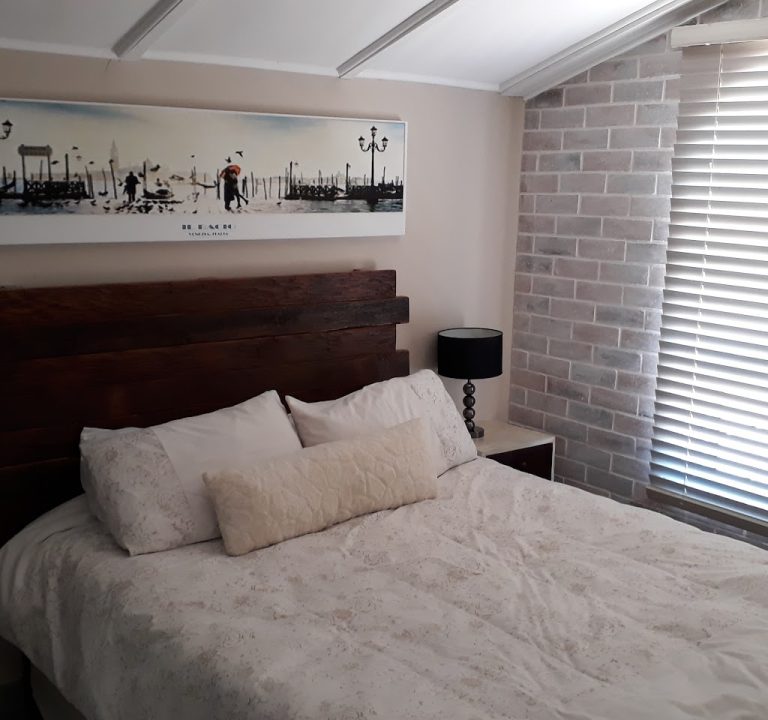
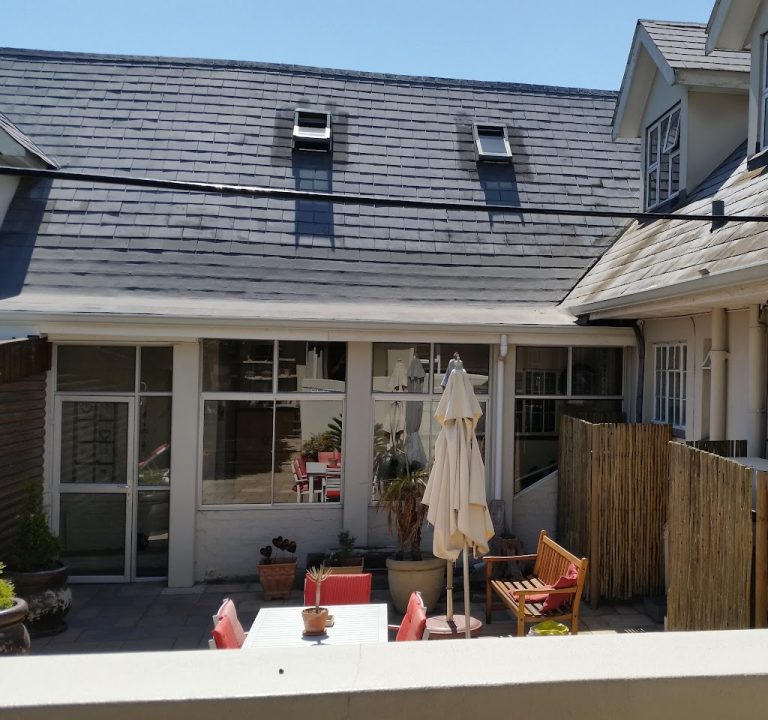
One option for a homely, guesthouse experience is to look for properties that emphasise warmth, local character and a comfortable, authentic stay. In a guest house such as Sya Khaya Guest House, guests often enjoy personalised service, shared or private living spaces, and a more intimate atmosphere than larger hotels. If you favour a quieter base with easier access to both city sights and coastal routes, you may wish to explore residential areas slightly away from major hubs, where hosts can offer insightful tips on local eateries, markets and walking routes.
Areas to consider when booking include:
- City Centre and the Foreshore: Close to museums, cafés, and major transport links. Ideal if you want to walk to many attractions and use MyCiTi buses or Uber for longer hops.
- V&A Waterfront and Waterfront-adjacent neighbourhoods: A lively base with easy access to harbour views, a range of dining options, and good transport links to the southern suburbs and the Cape Peninsula.
- Green Point and Sea Point: A coastal vantage with plenty of walking routes, parks and sea views; suitable for those who enjoy a promenade day or early morning runs along the coast.
- Observatory and the Southern Suburbs: A more relaxed vibe with characterful guesthouses, quirky cafés and woodland trails nearby. Great if you value local culture and a slower pace.
- Clifton, Camps Bay, and the Atlantic Seaboard: For beach lovers and those seeking upscale amenities, dramatic sunsets and easy access to coastal drives along Chapman’s Peak and the Bay.
When booking, consider a few practical factors. Accessibility to public transport or secure parking can influence the convenience of your plans. Check whether the property offers self-catering facilities or breakfast options, and what times meals are available. If you anticipate long days visiting iconic routes such as Table Mountain or the Cape Peninsula coastline, a comfortable bed, a reliable heating or cooling system, and a pleasant outdoor space can be just as important as proximity to sights.
Typical amenities at well-run guest houses or guest rooms often include private or shared lounges, free Wi-Fi, tea and coffee facilities, and en suite or adjacent bathrooms. Some properties provide curated local information packs, maps, and suggested walking routes that help guests make the most of their stay without relying on expensive tours. If you’re visiting in peak season, flexible cancellation policies and clear policies on deposits and refunds can offer reassurance in dynamic travel times.
Transport in Cape Town is varied and convenient. The city offers a mix of reliable bus services, ride-hailing options, and scenic drives. If you stay near the city centre or the V&A area, most attractions are within a short ride, and harbour or mountain viewpoints are accessible via short journeys. For the more adventurous, a drive along the Atlantic coast or a day trip to the Cape of Good Hope requires a car or an organised tour, and many operators offer itineraries that cover multiple stops with time built in for leisure and photo opportunities.
The best time to visit Cape Town depends on what you want from your trip. Spring (September to November) and autumn (March to May) offer milder weather, lower crowds, and excellent conditions for outdoor activities. Winter (June to August) brings cooler, wetter weather but is a good period for indoor markets, food events, and dramatic scenery with fewer visitors. Summer (December to February) is peak season, providing long days and vibrant street life but higher demand for accommodation. Pack accordingly for sun exposure, wind on the coast, and occasional showers, and check local forecasts as coastal weather can change quickly.
Practical planning tips to help you make the most of your stay:
- Book with a clear cancellation policy, especially if your plans may change.
- Read guest reviews focused on cleanliness, host responsiveness and quiet hours to gauge suitability for your style of trip.
- Choose accommodation with easy access to reliable transport links if you plan to explore beyond the immediate area.
- Balance your days with a mix of natural scenery, cultural experiences, and time to simply unwind in a friendly guesthouse lounge or garden.
- When visiting attractions or dining out, consider timing to avoid peak crowds, particularly around popular waterfront areas and flagship viewpoints.
Cape Town’s dining scene ranges from casual bistros to refined eateries with a strong emphasis on fresh, local produce. While exact restaurant names and prices vary, most visitors enjoy trying neighbourhood spots that reflect Cape Town’s diverse culinary heritage. Consider sampling locally inspired menus, seasonal dishes, and light meals after a day of sightseeing. Dining can be complemented by a stroll along the harbour or cliff-top paths at sunset, offering memorable views across the Atlantic.
For further inspiration and practical planning, you can explore official tourism resources and weather updates online. If you’re seeking a homely base with attentive hosts, a stay at a guesthouse such as Sya Khaya Guest House could provide a convenient, characterful starting point for your Cape Town adventures.