Accommodation and Experiences in Cape Town, Western Cape
Cape Town offers a diverse mix of places to stay and a wealth of experiences that suit every traveller, from stylish city apartments to cosy guesthouses and well-appointed lodges. When planning a stay, it helps to think about what you want to get out of your visit: proximity to the sights, access to transport, and the kind of atmosphere that suits your travel style. Cape Town is compact enough to explore on foot in parts, yet spacious enough to allow for longer days of touring despite varying weather.
Choosing where to stay
- City Bowl and the V&A Waterfront: These central areas provide easy access to museums, markets, and a range of eateries. They are convenient for first-time visitors who want a walkable base with good transport links.
- Atlantic Seaboard (Camps Bay, Clifton, Green Point): For sea views and a more relaxed vibe, these neighbourhoods feel luxurious and are ideal for travellers seeking stylish accommodation with easy access to beaches and scenic drives.
- Constantia and the Southern Suburbs: Perfect for those who prioritise tranquillity, wine routes and leafy streets, with convenient drives to the city centre and the peninsula’s southern beaches.
- Bo-Kaap and De Waterkant: Colourful streets and culture-rich precincts bring a lively atmosphere, with boutique stays and easy access to historic sites and waterfront walks.
What to look for when booking
- Room configuration and facilities: Check for en-suite bathrooms, secure Wi‑Fi, climate control, and adequate storage. If travelling with family or a group, consider apartments or suites with separate living space.
- Access and security: Look for secure entrances, 24-hour reception, and good lighting in common areas. A short walk to public transport or a guaranteed shuttle option can save time.
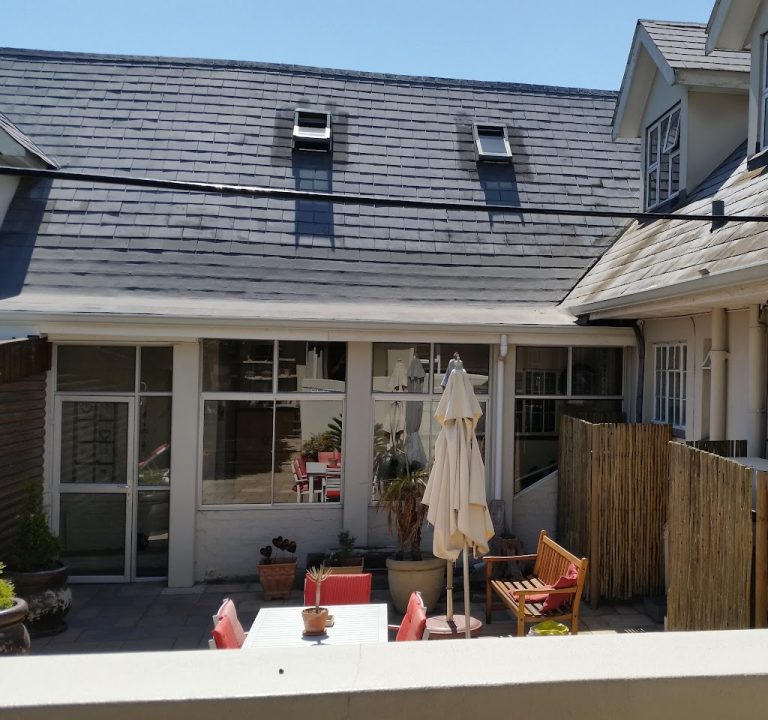
- Privacy and noise: In busy districts, ask about street noise and the availability of quiet rooms or internal courtyards.
- Amenities and inclusions: A well-equipped kitchenette or access to a café on site can be convenient. Some properties may offer breakfast, while others provide self-c catering facilities.
- Sustainability and responsibility: Many accommodations in Cape Town value energy efficiency, water conservation, and ethical sourcing. A quick note on water scarcity practices can be useful in planning a responsible stay.
Typical amenities you might encounter
- Secure parking or easy street parking
- In-room air conditioning or heating, and reliable hot water
- Free Wi-Fi, a desk or work area for business travellers
- Laundry facilities or on-site services
- Access to shared lounges, terraces, or gardens
- Generous concierge or staff on hand to assist with bookings, tours, and transport
Transport and getting around
Cape Town is best explored with a flexible approach. The city offers a mix of public transport, rideshares, and car hire:
- Public options: A reliable bus network links major areas, while the MyCiTi system is easy to navigate for visitors staying near the city centre or along the Atlantic Seaboard.
- Taxis and rideshares: Readily available and useful for evening outings or when you want to travel with luggage or friends.
- Driving: If you plan day trips to the Cape Peninsula, Constantia wine routes, or Cape Point, hiring a car provides the most freedom. Remember left-hand drive and local road codes.
- Bike-friendly choices: Some central stays provide bike storage or lend bikes, which can be a pleasant way to explore neighbourhoods and coastal paths.
Best time to visit and practical tips
- When to go: Cape Town enjoys a Mediterranean climate. Visit in spring (September to November) or autumn (March to May) for pleasant weather and fewer crowds. The peak season runs from late spring to early summer, with busier beaches and longer waits at popular attractions.
- Safety and etiquette: Observe local guidance on safety, keep valuables out of sight, and use reputable transport. It’s wise to have a plan for evening outings and to stay aware of your surroundings in busier areas.
- Packing essentials: A light jacket for cooler evenings, sunscreen, a hat for sun protection, and comfortable walking shoes are useful. If you’re visiting outdoors, layers help with changing conditions on the coast.
- Connectivity: Most properties offer Wi‑Fi; consider a local SIM if you need dependable data for map downloads and last‑minute bookings.
Things to do and experiences to consider
- Iconic landscapes: Take a cable car or hike up a mountain for sweeping views of the city bowl, sea, and surrounding peaks.
- Gardens and nature: Explore botanical gardens and coastal walks, including viewpoints along the famous peninsula.
- Cultural and historic sites: The city has rich museums, galleries, and historic districts that offer insight into Cape Town’s diverse heritage.
- Food and drink: Cape Town’s dining scene blends South African flavours with international influences. You’ll find markets, casual eateries, and fine dining options offering multiregional culinary experiences.
- Local experiences: Consider guided walks, markets, and tasting experiences that connect you with neighbourhoods, crafts, and the city’s creative energy.
A note about Il Bacio
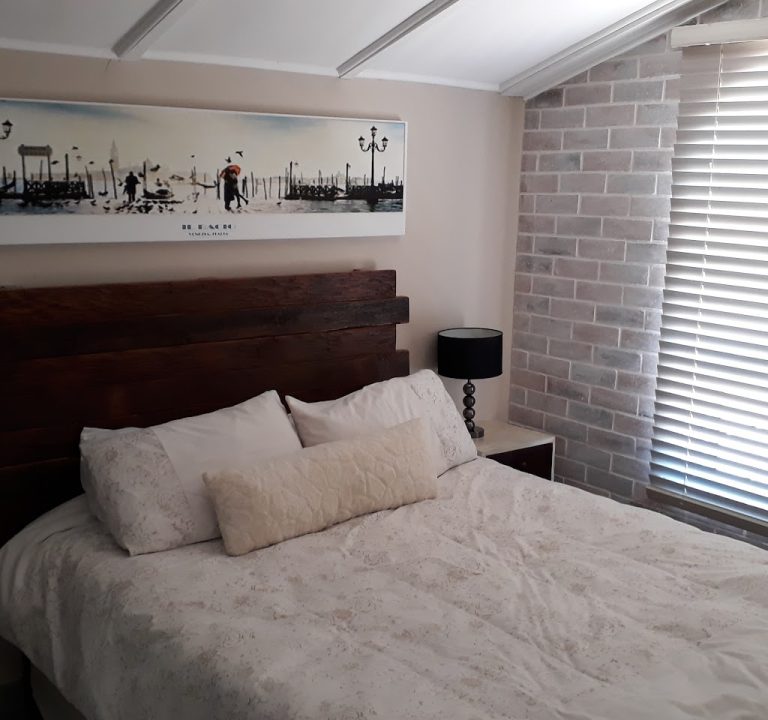
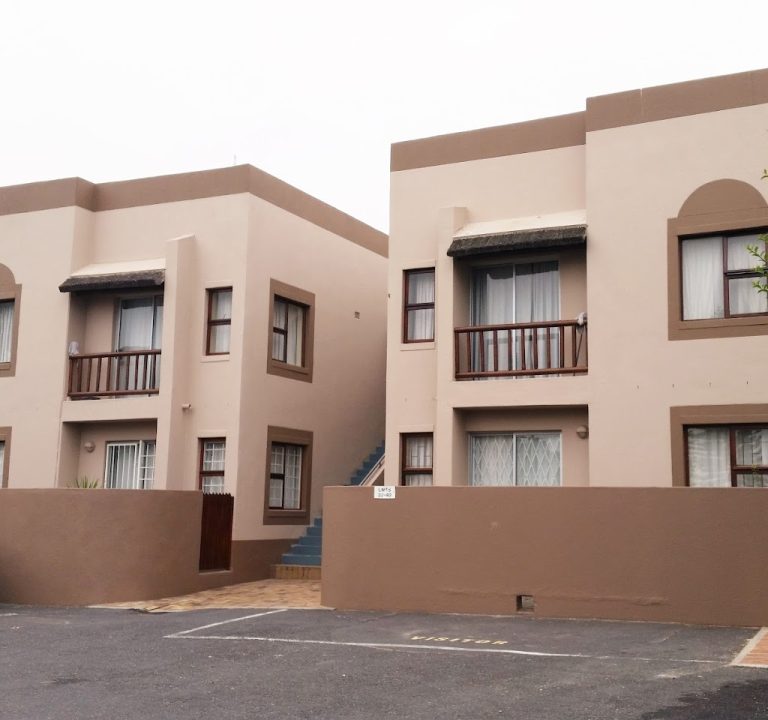
In the indoor lodging category, consider stays that balance comfort with practical access to the city’s sights. Look for properties with well-designed common spaces, secure entry, and thoughtful touches that help you unwind after days of exploration. When evaluating options like Il Bacio or similar stays, prioritise layout, clean facilities, and proximity to your preferred neighbourhoods and transport routes. A well-chosen base can significantly enhance the pace and enjoyment of your Cape Town itinerary.
Website links
- For ideas on places to stay and plan your route, you can explore relevant accommodation pages and official tourism resources that detail neighbourhood highlights, transport options, and seasonal guidance. Linking to reputable booking platforms or local tourism sites can help you compare options and tailor a stay to your interests.