Discovering Cape Town: Accommodation and Experiences for a Memorable Stay
Cape Town is a destination that rewards careful planning and a little flexibility. From stylish city stays to expansive self‑catering homes and seaside lodges, the regions around the Mother City offer a variety of bases from which to explore the Western Cape. When choosing accommodation, consider your preferred pace, transport needs, and how you want to structure day trips—whether you plan to linger in one base or move between contrasting neighbourhoods to maximise experiences.
Areas to consider for your stay include the City Centre and the historic inner city, where boutique hotels and guesthouses put you within easy reach of museums, markets, and the green lungs of Company’s Garden. The Atlantic Seaboard, including Camps Bay and Sea Point, is ideal for those seeking long beaches, ocean sunsets and a more coastal vibe. In contrast, Constantia and the Southern Suburbs boast leafy villages, wine estates and access to mountainside trails, making them excellent for a quieter, more relaxed holiday. For a self‑catering or larger group option, surrounds such as Bellville or Durbanville in the Northern Suburbs offer convenient access to the nappy‑buster of highways and abundant kitchen facilities, and can serve as practical bases for day trips to the Winelands or the Cape Fold Mountains.
Typical amenities you may expect to find include comfortable furnished living spaces, well‑equipped kitchens, secure parking, and reliable Wi‑Fi. Look for properties with clear safety features, such as good security, well‑lit surroundings, and convenient access to public transport or reliable taxi services. Where possible, check accessibility features if any member of your party has specific needs, and confirm whether the accommodation offers laundry facilities, ensuite bathrooms, and daily housekeeping.
Transport is a key element of planning. In Cape Town, a mix of options works well: self‑drive for flexibility, ride‑hailing services for convenience within the city, and the MyCiTi bus network for affordable routes between major hubs. If you intend to venture to the Cape Winelands, Hermanus or the Cape Peninsula, a rental car provides the greatest freedom to explore at your own pace. When booking, consider the proximity to transport links and whether you’ll rely on public transport for daily activities or prefer a car‑free itinerary with day tours and Uber connections.
Best time to visit Cape Town is influenced by weather and the activities you favour. The summer months (November to February) offer beach days and long daylight hours, ideal for outdoor adventures and coastal dining. Autumn (March to May) brings milder temperatures and fewer crowds, a great time for hiking and vineyard visits. Winter (June to August) is cooler and wetter, yet it can be a good period for cultural events and lower accommodation rates. Spring (September to November) brings colour in the Kirstenbosch gardens and a lively restaurant scene. Regardless of when you travel, plan for a mix of outdoor experiences and indoor options such as galleries, markets, and intimate eateries to balance your days.
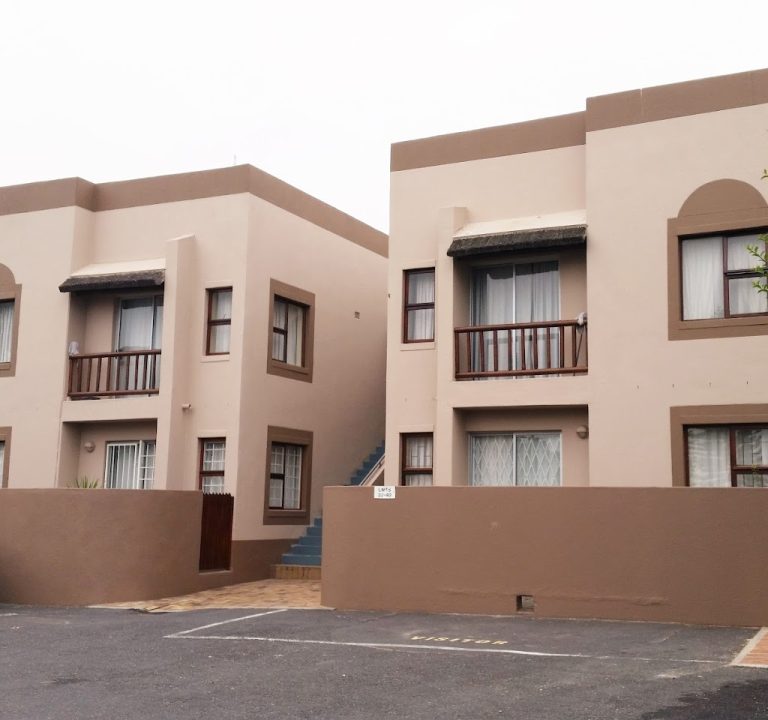
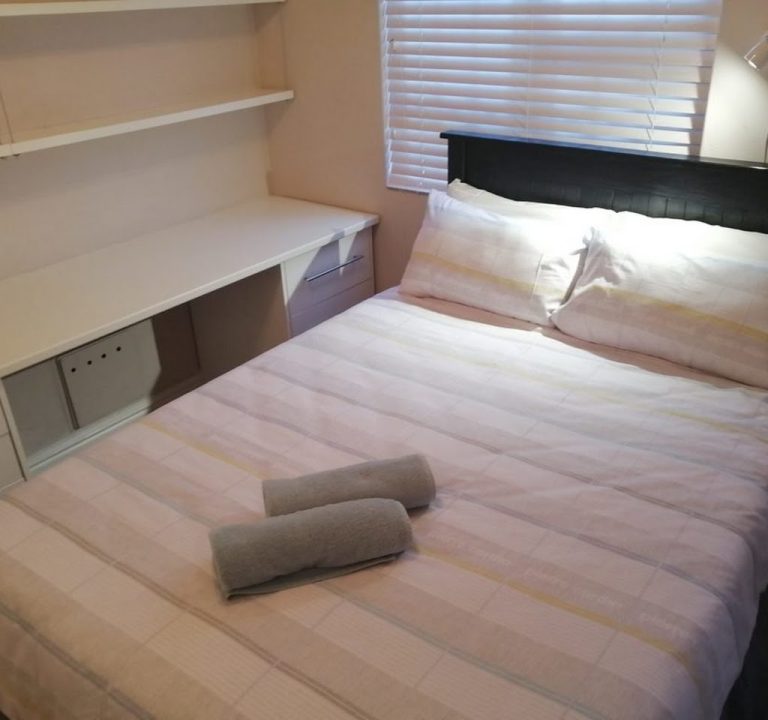
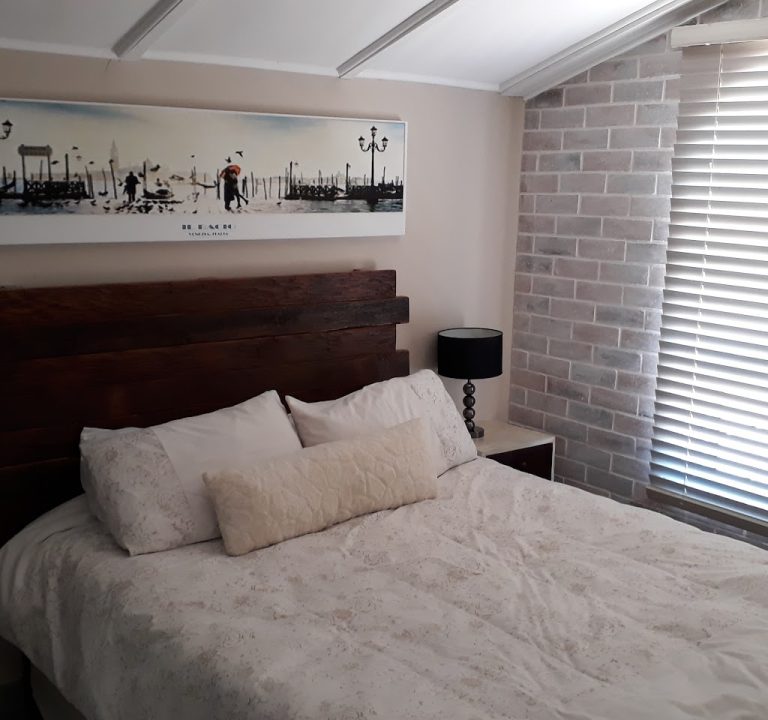
When it comes to accommodation types, self‑catering homes and furnished apartments are particularly popular for families and groups. These options offer the comforts of home and flexibility over meal preparation. If you’re exploring a short break or a romantic retreat, boutique hotels and guesthouses in central locations can provide personalised service, easy access to sights, and a characterful neighbourhood feel. An example in the broader Cape Town area is Serengeti Heide Accommodation, a self‑catering option that can serve as a practical base for visitors seeking privacy and space while exploring the city and surrounding regions. Always review what is included in a self‑catering stay—such as kitchen supplies, cleaning schedules, and linen—to avoid surprises, and confirm check‑in procedures and contact points for assistance during your stay.
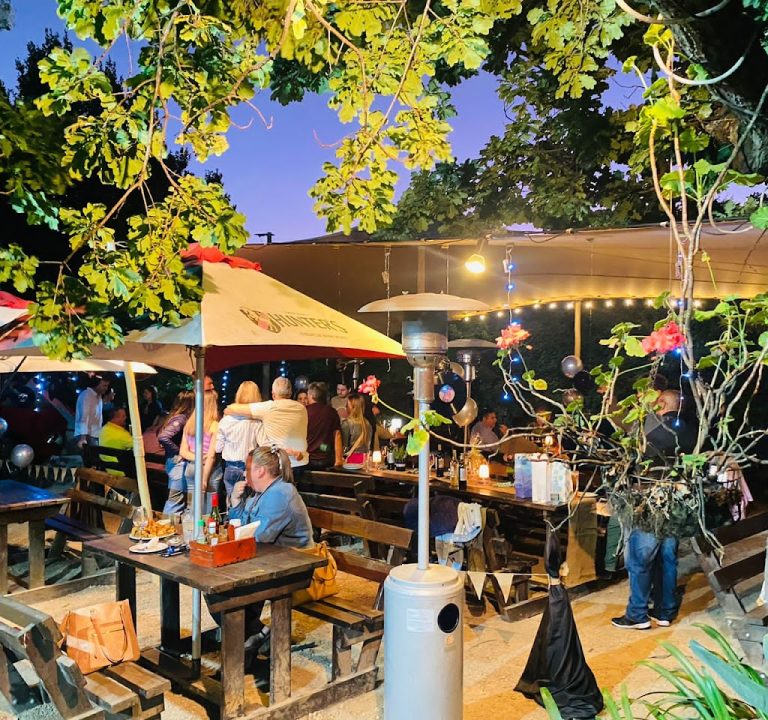
Dining and experiences are integral to a Cape Town stay. In terms of food, you’ll encounter a diverse mix of markets, casual bistros, and fine‑dining restaurants that celebrate local ingredients. While specific venues can change seasonally, you can generally expect a strong emphasis on seafood, hearty braais, and Mediterranean‑influenced dishes. For daily meals, many visitors appreciate easy access to cafés, bakeries and grocery stores for self‑catering days, as well as a range of recommended eateries within walking or short drive distances from their accommodation. For cultural and natural experiences, plan at least one day for the waterfront attractions, a climb up Table Mountain (or a scenic alternative such as the Cableway if weather allows), and a venture to a nearby nature reserve or botanical gardens. Wine lovers may wish to include a day trip to the nearby Constantia or Stellenbosch wine routes, which offer picturesque estates, tastings, and cellar experiences.
To help you plan effectively, here is a practical planning checklist:
- Decide on a base that minimises long transfers to your preferred activities.
- Assess whether you want self‑catering facilities or hotel amenities such as daily housekeeping and on‑site dining.
- Check transport options from your accommodation, especially if you won’t hire a car.
- Research seasonal weather and crowd levels to time outdoor activities accordingly.
- Confirm the availability of essential services, including laundry, parking, and reliable Wi‑Fi.
Finally, for a smooth stay, engage with your host or property manager about local tips and practicalities—neighbourhood walking routes, safe dining options, and suggested day itineraries. Cape Town’s character lies in its neighbours and viewpoints as much as in its iconic landmarks. By choosing the right base and planning thoughtfully, you can tailor a visit that balances discovery with downtime, turning your stay into a memorable Cape Town experience.