Discovering Cape Town: where to stay, what to plan, and how to make the most of your visit
Cape Town offers a rich mix of accommodation styles, from intimate guest houses and boutique hotels to full-service lodges and self-catering apartments. When planning a stay, consider the character of each neighbourhood, your preferred pace, and how you intend to explore the city and its coastline. The ideal base balances convenient access to sights with a neighbourhood atmosphere you can enjoy after a day of exploring.
Areas to consider include the City Bowl for a lively, walkable centre with easy access to museums, theatres and markets; the Atlantic Seaboard for white-sand beaches, scenic cliffs and stylish dining; Constantia and the Southern Suburbs for greenery, wine estates and a more tranquil pace; and the vibrant Bo-Kaap with its colourful houses and historic streets. If you’re visiting with family or seeking a quieter stay, a guest house or boutique lodge in Constantia or the Southern Suburbs can offer spacious rooms, gardens and parking, while still being within reach of central attractions.
When choosing accommodation, look for clear descriptions of room layouts, breakfast offerings, and included facilities. Helpful amenities often include free Wi‑Fi, secure parking, generous laundry facilities, and comfortable communal spaces. Pay attention to access to public transport or convenient taxi and rideshare options, especially if you plan to stay away from the city centre or if you’ll be driving on winding coastal roads. For longer strolls or early starts for sunrise viewpoints, a host with helpful local knowledge can be a real asset.
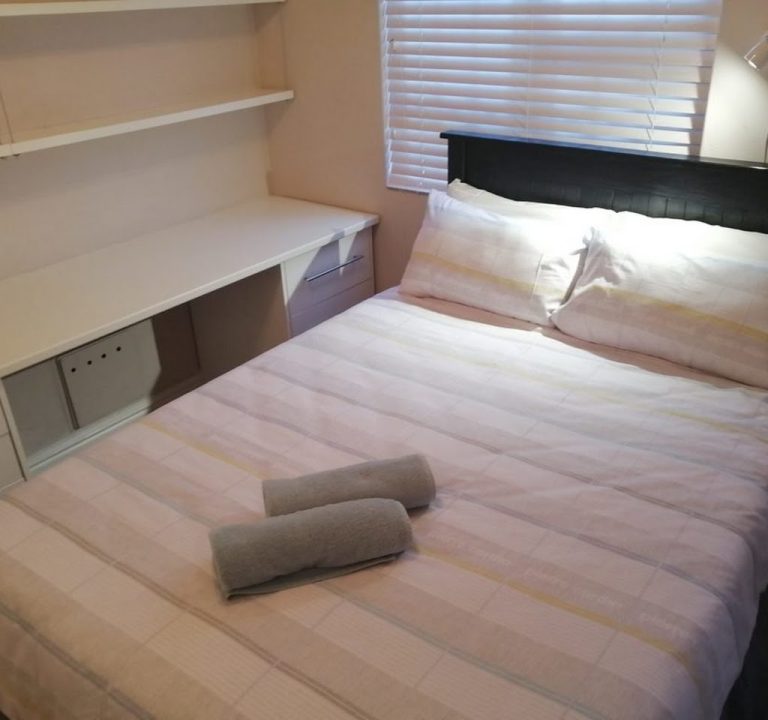
Typical accommodation features you might encounter include en-suite bathrooms, dedicated workspaces, air‑conditioning or fans for Cape Town’s warm summers, and sometimes small kitchenettes for guests who prefer self-catering. Many guest houses offer a cosy lounge, garden seating, and a breakfast service that showcases regional produce. If you value sustainability, you may find properties prioritising energy efficiency, recycling, and locally sourced materials. It’s also worth noting any policies on noise, late check‑ins, or family-friendly facilities if you’re travelling with children or groups.
Transport in Cape Town is friendly to visitors who hire a car, but it’s equally practical to rely on public transport and rideshares. The MyCiTi bus network can be a convenient option between the central city and popular seaside neighbourhoods, while Uber and other services often provide flexible door-to-door options. If you do hire a car, check whether parking is available on-site or nearby, as some residential areas have limited or metered spaces. For day trips to iconic locations such as the Cape Peninsula, Simonstown, or the Cape Winelands, a moderate amount of self-drive time is common, with scenic roads and viewpoints along the way.
The best time to visit Cape Town tends to be during the Southern Hemisphere’s spring and autumn, when the weather is mild, skies are often clear, and the peak crowds are lighter than in peak summer. Winter (June to August) can be cooler and wetter, yet it also brings fewer visitors and a chance to savour indoor attractions, markets, and wine tasting rooms with a cosy atmosphere. If you’re chasing whale-watching opportunities or specific seasonal events, plan around those windows and always check local guidance or forecasts before heading out for day trips along the coast or to nature reserves.
When planning activities, balance classic sightseeing with more relaxed experiences. Iconic viewpoints, such as Table Mountain or Lion’s Head, are spectacular at sunrise or late afternoon, while Robben Island offers a moving historical perspective that can be experienced with organised tours. The Cape Peninsula drive reveals rugged scenery, with stops for beaches, penguin viewing, and lighthouses along the way. In the city, you’ll find markets, galleries, and neighbourhood eateries where you can sample local dishes and crafts. For a relaxed day, consider a stroll through a botanical garden or a wine estate in nearby Constantia to pair scenery with tasting experiences—without venturing too far from your chosen base.
Practical tips to help you plan smoothly:
- Book accommodation with flexible cancellation when possible, especially if your plans might change with weather or travel restrictions.
- Ask hosts about safe neighbourhood tips, parking arrangements, and the quickest routes to your must-see sites.
- Pack layers for variable coastal weather and sun protection for daytime outdoor activities.
- Check whether breakfast is included or if you’ll need to budget for morning meals elsewhere.
- Budget time for travel between distant areas; Cape Town’s geography can mean longer drives than expected even for seemingly short distances.
For travellers staying in places such as The Bloemhof Guesthouse or similar boutique stays, the focus often shifts to a comfortable home base with personalised touches and easy access to both city sights and coastal landscapes. While not naming specific businesses, it’s common to find guest houses that prioritise a welcoming atmosphere, attention to cleanliness, and practical guidance from hosts on local dining, markets, and day trips. In all cases, a well-chosen base can greatly enhance your Cape Town experience, letting you rise each day ready to explore the city’s natural beauty, cultural heritage, and friendly hospitality. Websites for accommodation often provide sample itineraries, local tips, and updated notes on accessibility and seasonal events, which can help you tailor your stay to your interests and trip length.