Staying in Cape Town: accommodation, areas to consider and planning tips
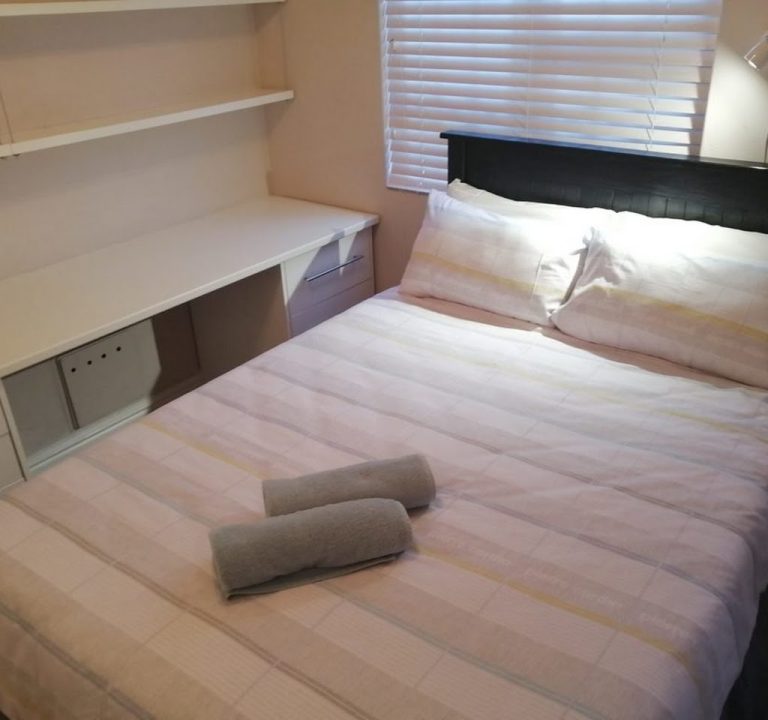
Cape Town offers a diverse tapestry of places to stay, from contemporary self-catering apartments to boutique guesthouses and family-friendly lodges. When planning a stay, think about what will make your daily routine easiest and most enjoyable: proximity to sights, access to transport, and the kind of neighbourhood that suits your pace. A stay centred around a city base with quick access to the Atlantic Seaboard, or a quieter option in Constantia or the surrounds of Observatory, can shape how you experience the region. If you’re considering a self-catering option, properties such as Broadway Self Catering Apartments exemplify the idea of a comfortable, flexible base that can suit couples, groups or families exploring the city.
Areas to consider include:
- City Bowl and the Inner City: Close to the historic districts, museums and a concentration of eateries. Great for walkers and visitors who want to be near major attractions, daily markets and a vibrant street life.
- Atlantic Seaboard (including Green Point, Sea Point and Camps Bay): Known for sea views, oceanfront walks and easy access to beaches. A good fit for travellers who want a lively evening scene with dining options nearby and scenic drives along the coastal road.
- Constantia and the Southern Suburbs: A more relaxed base with leafy streets, wine estates and golf courses nearby. Ideal for visitors who prefer a slower pace, longer daylight hours for outdoor activities, and easy access to scenic hiking routes.
- Bo-Kaap and de Waterkant: Colourful streets and a rich cultural mix, with close proximity to the central sights and a compact urban feel. Suitable for guests who want to be within walking distance of historic sites and markets.
When choosing accommodation, look for typical self-catering or hotel-style amenities that match your itinerary. Essentials often include a well-equipped kitchen or kitchenette, reliable Wi-Fi, secure parking or easy access to public transport, in-room a/c or heating, and clear information about dining or housekeeping services. If you plan day trips along the peninsula or to nearby towns, confirm whether the property offers guidance on organised tours or provides flexible cancellation policies in case weather or ferry schedules affect plans.
Transport and getting around are a major consideration. Cape Town has a growing public transport network, including bus services and commuter rail, but many travellers prefer a rental car to visit Cape Point, the Cape Winelands, or the Cape Peninsula’s scenic routes at their own pace. If you rely on public transport, check how far your accommodation is from bus stops or railway stations, and whether the area is well-lit and safe after dark. Some visitors opt for a mix: a central apartment for weekdays and a quieter suburban base for weekends. For shorter hops, rideshare services can supplement longer trips, especially for evenings out.
Best time to visit Cape Town depends on what you want from the trip. Spring (September to November) brings colourful flowers and mild weather, while autumn (March to May) offers pleasant temperatures and quieter streets. Summer (December to February) is lively and beach-friendly, but can be busier and more crowded. Winter (June to August) tends to be cooler and wetter, but it can be excellent for whale watching on the coast and enjoying fewer crowds. Pack layers for variable coastal weather, sunscreen for the sun-strong days, and comfortable footwear for hills and stairways in historic areas.
Practical tips for booking and staying well include:
- Check for quiet hours, access to parking, and flexibility on check-in and check-out times.
- Review kitchen facilities if you plan self-catering: stove or hob, oven, fridge, and cooking utensils.
- Look for reliable Wi-Fi, laundry facilities, and clear guidelines on housekeeping or linen changes.
- Ask about security features, such as secure entry systems and on-site staff or monitoring, particularly in central areas.
- Consider proximity to the attractions you want to visit and the convenience of returning to a base after day trips.
- Plan dining options in advance when possible: Cape Town has a wide range of casual eateries, family-friendly venues and fine dining, depending on location.
Attractions and experiences in Cape Town tend to be accessed by prioritising natural scenery, iconic viewpoints and cultural heritage. General highlights include the summit views from Table Mountain, explorations of the Cape Peninsula coastline, and museum or harbour areas with interpretive exhibitions. For a balanced itinerary, combine outdoor days with some city-based activities, such as exploring markets, galleries and historic districts. In addition, a day trip to nearby regions—such as a wine region stroll and a coastal drive—can enrich the visit without requiring long-haul planning.
For planning inspiration and practical guidance, you can consult official tourism information online, such as Cape Town’s visitor sites, which provide overviews of neighbourhoods, activities and seasonal tips. Whether you choose a chic apartment in the city, a comfortable self-catering home near the beaches, or a boutique guesthouse in a quiet neighbourhood, Cape Town presents a versatile stage for a well-balanced stay, accommodating both leisurely weekends and longer explorations. For more ideas and official suggestions, visit https://www.capetown.travel.