Cape Town: Accommodation and Experiences in the Western Cape
Cascade between sea and mountain, Cape Town offers a diverse range of places to stay that suit every traveller’s rhythm. From sun-drenched boutique guest houses to family-friendly self-catering options, the city’s accommodation landscape is shaped by neighbourhood character as much as by price. When planning a stay, consider the flow of your days: will you be chasing harbour views, windswepped Table Mountain hikes, or convenient access to the city’s cultural districts? Your choice of base can significantly influence what you can fit into a day.
Neighbourhoods to consider range from the iconic and central to the more laid‑back coastal and winelands-adjacent options. The V&A Waterfront and the central business district (CBD) are popular for easy sightseeing, dining, and quick access to tours, while areas such as Green Point and Sea Point offer a breezier, seaside flavour with compact walks to cafés and parks. For a more relaxed, village-like atmosphere, neighbourhoods near the southern peninsula or the Constantia valley provide a softer pace and scenic drives to winelands. If you are travelling with family or seeking longer stays, self‑catering properties in leafy suburbs or guest houses with kitchen facilities can be convenient and economical.
When choosing accommodation, key factors include the following:
- Location relative to planned activities: decide whether you prioritise Table Mountain access, coastline, or nightlife and dining precincts, and select a base that minimises daily travel time.
- Type of property: guest houses and B&Bs offer a personal touch with breakfast included, while self‑catering options provide flexibility for long stays and budget control. Boutique hotels often combine stylish rooms with attentive service for a comfortable but more compact stay.
- Amenities: secure parking, reliable Wi‑Fi, laundry facilities, kitchen access, and on‑site dining can dramatically affect convenience, especially on longer itineraries or with children.
- Transport links: proximity to MyCiTi bus stops, railway stations, or Uber‑friendly routes can reduce reliance on car hire. If you plan coastal day trips or winelands visits, check whether transfers or organised tours are offered.
- View and atmosphere: sea views or mountain vistas can elevate a stay, but verify how much noise you might encounter and whether rooms are ensuite or share facilities.
Typical amenities you might encounter include en‑suite bathrooms, daily housekeeping or mid‑week cleaning, and well‑stocked kitchens or compact kitchens in self‑catering properties. Many places provide a cosy lounge or shared terrace, ideal for chatting with fellow travellers or soaking up the sun after a day of exploration. Breakfast options vary; some properties offer a continental setup with fresh coffee and fruit, while others provide a more substantial hot breakfast. It’s wise to check accessibility features if required, especially for seniors or travellers with mobility needs.
Practical planning tips to make the most of your stay:
- Book in advance for peak seasons, especially during school holidays and major events. Cape Town’s appeal means popular spots can fill quickly.
- Consider a mix of indoor and outdoor activities to balance the day’s rhythm—hikes or coastal walks in the morning, followed by museum or market visits in the afternoon.
- Pack adaptable layers: mornings near the coast can be cool, while afternoons can warm up quickly. A light jacket, hat, and sunscreen are useful year‑round.
- Budget for meals out in the evenings plus breakfast at your accommodation if included; Cape Town offers a wide range of dining experiences from casual eateries to refined bistros.
- Respect local guidelines and seasonal conditions, especially in natural areas where weather can influence accessibility to viewpoints and trails.
Transport in Cape Town is generally straightforward but varies by area. If you are staying near the CBD or major tourist zones, cycling or walking can be pleasant options for short trips. For longer day trips, you may opt for guided tours, private transfers, or car hire. The city also benefits from a scenic route network linking the Atlantic seaboard with the nearby winelands, enabling memorable day excursions without excessive planning.
Best time to visit Cape Town depends on what you seek. Summer (December to February) brings long days, swimming, and vibrant outdoor life, but can be busier and pricier. Autumn (March to May) and spring (September to November) offer milder weather and good visibility for hills and beaches, often with fewer crowds. Winter (June to August) is cooler and wetter, yet provides a different charm and the prospect of fewer visitors in popular hotspots. Whatever the season, plan for a blend of outdoor activities and easygoing meals at neighbourhood cafés and markets.
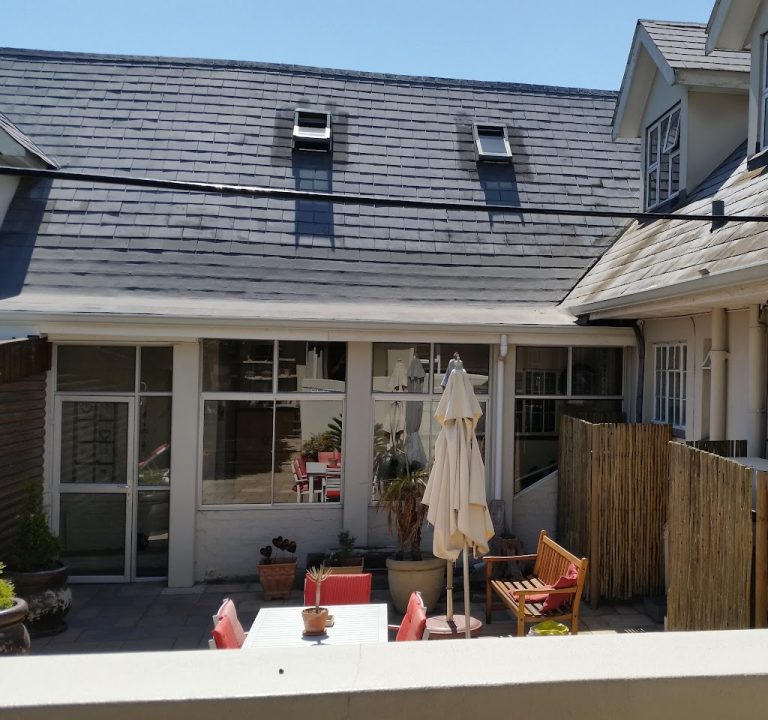
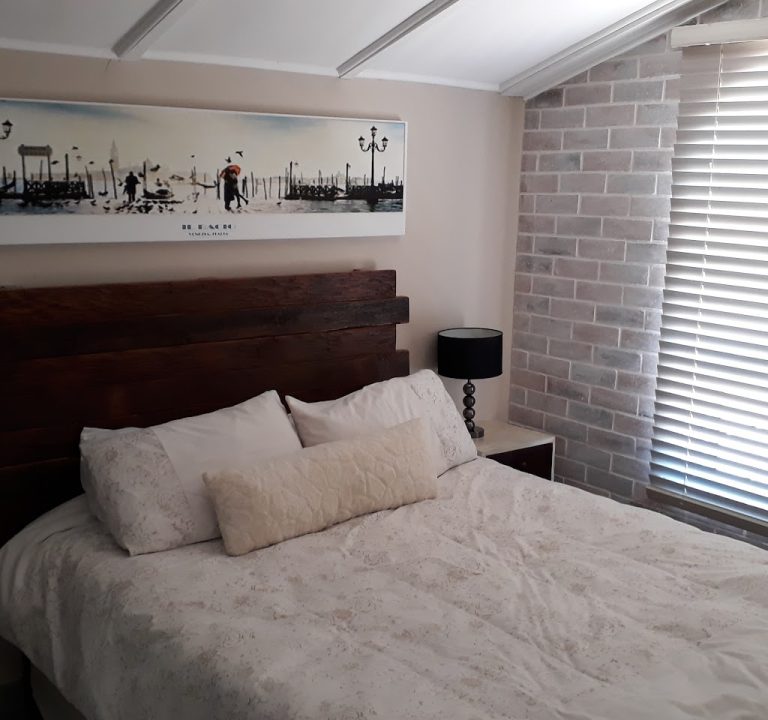
Accommodation Spotlight: a guest house style option such as Bella Rosa – Self Catering Accommodation can offer a home‑from‑home feel with the convenience of breakfast or self‑catering facilities, enabling longer stays or flexible dining. When evaluating such properties, consider privacy levels, the layout of shared spaces, and the quiet hours policy to ensure a comfortable stay for your travel plans. A well‑chosen base can complement a well‑planned itinerary, helping you balance relaxation with adventure as you explore Cape Town’s coast, mountains, culture, and cuisine.