Cape Town: Accommodation, attractions and planning your stay in the Mother City
Cape Town is a diverse destination that rewards travellers who plan thoughtfully. From towering coastal scenery and world‑class beaches to vibrant neighbourhoods and alpine‑like hikes, there is a breadth of options for every kind of traveller. When choosing where to base yourself, think about convenience, views, access to public transport, and how you like to spend your days. The Western Cape’s capital can be expensive in peak periods, but there are plentiful mid‑range options and friendly guesthouses that offer real value and character.
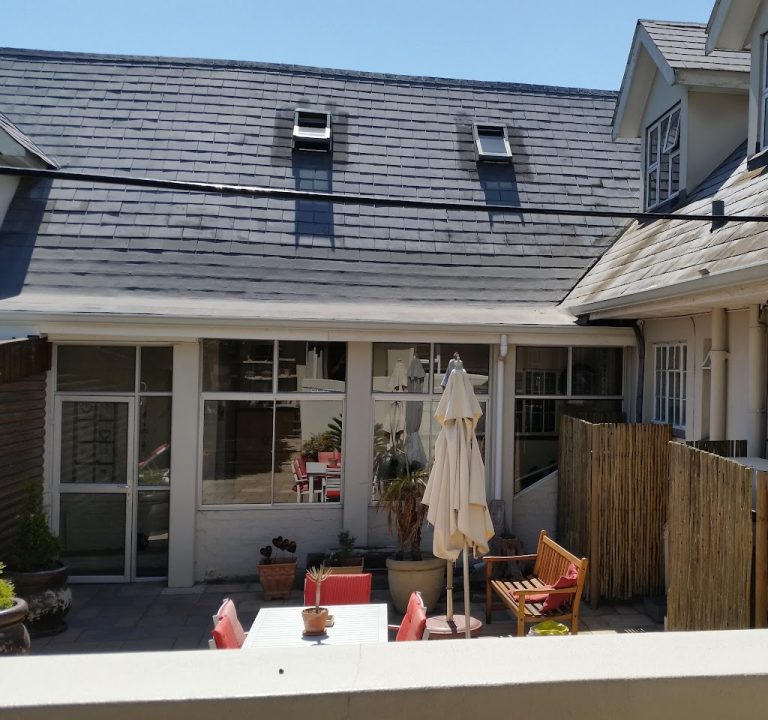
Accommodation in Cape Town spans boutique BnBs, family‑run guesthouses, modern hotels, and self‑ catering apartments. In the city bowl, you’ll find stylish hotels and contemporary apartments with easy access to cafés, markets, and cultural venues. The Atlantic Seaboard and Camps Bay provide dramatic coastal vistas and chic resort hotels, often with swim‑up pools or sunset terraces. For a quieter base with a village vibe, consider Constantia or Muizenberg, where leafy streets and guesthouses sit close to wine farms and scenic coastal walks. For a lively scene, the trendy Kloof Street and Long Street corridors put you within reach of restaurants, nightlife, and galleries. If you travel with family or prefer a home‑from‑home feel, serviced apartments and well‑appointed guesthouses can offer spacious flexible layouts and kitchen facilities.
Typical amenities to look for include reliable Wi‑Fi, secure parking or easy access to public transport, air conditioning or fans for hot summer days, a friendly on‑site or nearby reception, and a clean, well‑maintained environment. Many properties offer breakfast as part of the rate, and some provide additional perks such as access to a pool, a small garden, or a terrace with views. When you book, check cancellation policy, housekeeping frequency, and whether there are self‑ catering facilities or laundry services. If you are travelling with children or colleagues, a multi‑bed layout or a two‑bedroom apartment can be more practical than a single hotel room.
Transport in Cape Town is straightforward but can require some planning. The MyCiTi bus system is convenient for city centre links to the V&A Waterfront and surrounding areas. Uber and other ride‑hailing apps are widely used and generally reliable for evenings or longer journeys. If you plan to explore beyond the city, renting a car gives you flexibility to visit wine farms, scenic routes, and nature trails at your own pace. For coastal days, a short drive to the Atlantic Seaboard or to Simon’s Town offers memorable panoramas and opportunities to stretch your legs on beaches or cliff paths. Pack a lightweight rain jacket for sudden showers and a sunhat for bright days in the garden routes and coastal walks.
The best time to visit Cape Town depends on your priorities. Peak season runs from December to February, when days are long and beaches are buzzing. Spring (September–November) brings wildflowers in the surrounding region and milder temperatures, ideal for outdoor activities. Autumn (March–May) offers pleasant weather with fewer crowds, while winter (June–August) can be cooler and wetter but is still possible if you favour verdant landscapes and indoor cultural experiences. If you’re aiming for outdoor adventures like hiking or coastal drives, shoulder seasons can offer comfortable conditions with a quieter atmosphere.
When planning an itinerary, aim to combine a few key elements: a city‑centre stint with easy access to the V&A Waterfront and the Company’s Garden; a day or two on the Atlantic Seaboard for beaches and sunsets; a trip to the Constantia or Stellenbosch valley for wine and scenery; and time for a nature or wildlife outing such as the Cape Peninsula route or a harbour cruise. Enquire with your accommodation about guided walks or resident hosts who can share local tips on hidden cafés, markets, and lesser‑known viewpoints. If you prefer structured tours, reputable operators offer day trips that focus on nature, culture, or food, providing safe itineraries and logistics without the need to plan every detail yourself.
Food lovers will discover a thriving scene that ranges from casual seafood shacks to fine‑ dining restaurants. In general terms, expect seafood fresh from the bay, South African braai flavours, and a mix of multicultural influences reflected in bistros, wine‑bar menus, and seasonal produce. It is polite to check dress codes for upscale venues and to book popular spots in advance during the peak season. For a low‑key dining plan, many guesthouses and hotels offer on‑site dining or recommended local options nearby, making it easy to enjoy Cape Town’s culinary range without long travel days.
Practical tips to help you make the most of your stay:
- Check the neighbourhood’s safety notes and stick to well‑lit routes after dark, especially if you are exploring late in the evening.
- Confirm parking availability if you are travelling by car; some areas have limited or paid parking, while others offer free street parking with street‑cleaning schedules.
- Ask about airport transfers or consider a pre‑booked airport shuttle if you have early or late flights.
- Pack a universal adapter for South Africa, a reusable water bottle, and a small daypack for outings.
- Respect local customs and be mindful of environmental sustainability—many properties encourage energy‑saving measures and recycling.
Whether you prioritise iconic scenery, world‑class dining, or a cosy home base with easy access to transport, Cape Town offers a rich mix of accommodation and experiences. With thoughtful planning, you can build a balanced itinerary that lets you soak up the city’s character while comfortably pacing your days.