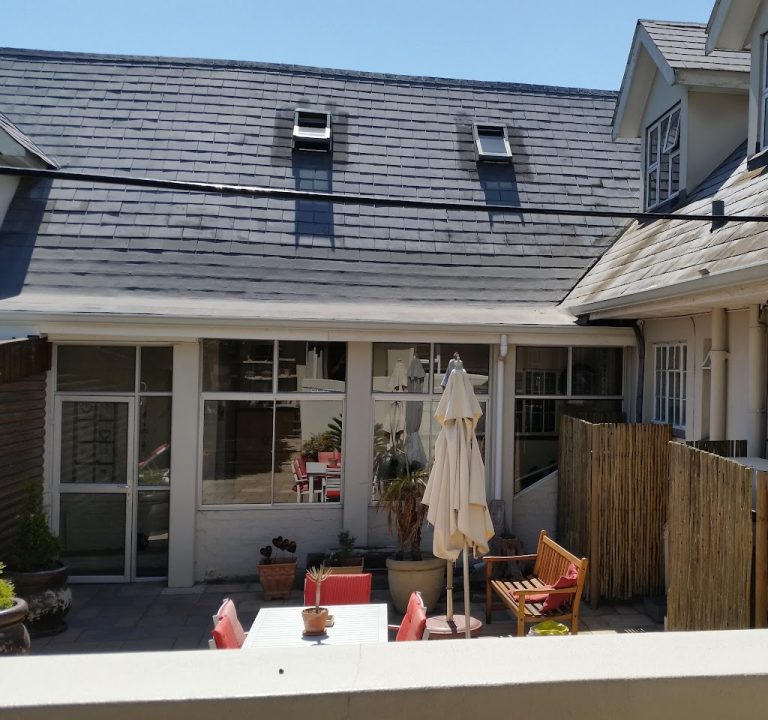
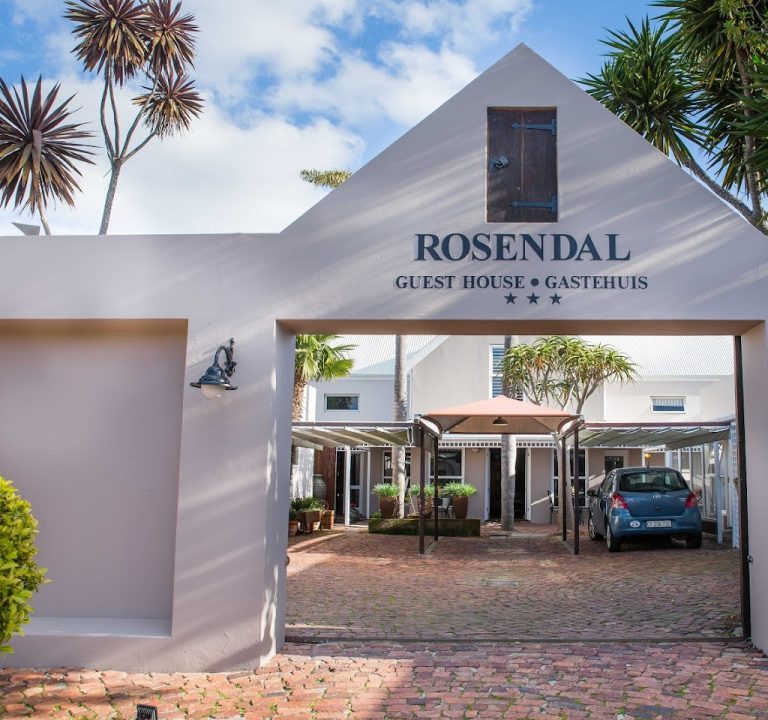
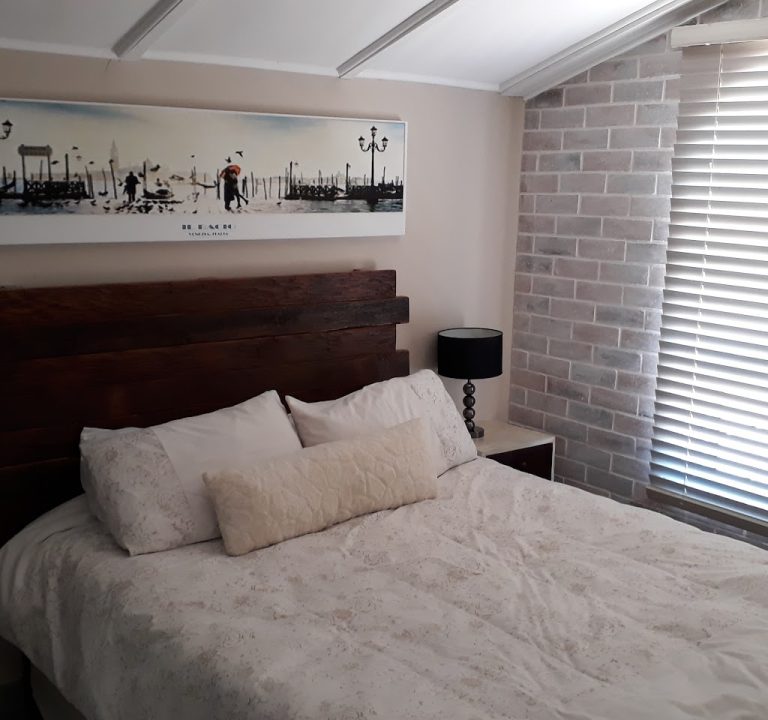
47 D’urban Ridge Self catering Apartment is a Self-catering accommodation establishment in Cape Town, Western Cape, South Africa
Cape Town
Western Cape
7550
South Africa

Accommodating Cape Town: Where to stay and how to plan your visit
Cape Town blends dramatic scenery with a wealth of accommodation styles, from self-catering apartments to boutique guesthouses and beachfront hotels. When planning a stay, think about what kind of pace you want, how you’ll get around, and which neighbourhoods match your interests. Whether you’re drawn to harbour views, mountain backdrops, or leafy residential streets, there are options to suit most budgets and travel styles.
Areas to consider include the City Bowl and central business district for access to cafés, museums and entertainment; the V&A Waterfront for a maritime flavour and easy access to tours; and the Atlantic Seaboard, where dramatic sea views and stylish apartments offer a calm retreat just minutes from long sandy beaches. If you prefer a vineyard escape with easy access to nature, Constantia and the nearby Constantia Valley provide country-house charm and proximity to world-class wine estates. For a lively beach vibe, Camps Bay and neighbouring Śwoodside areas offer chic stays with sunset prospects over the Atlantic. For authentic neighbourhood character and more space, look to residential hubs a short ride from central attractions, where local eateries and small shops are part of everyday life.
When selecting accommodation, consider typical amenities that help you settle in quickly. Self-catering apartments and guesthouses frequently offer kitchen facilities, Wi‑Fi, parking, and easy access to public transport routes. Some properties provide breakfast every morning, housekeeping on a flexible schedule, and flexible check‑in arrangements that can suit late arrivals after a day on the hills or along the coastline. If you’re staying in a larger complex, you may also find shared lounges, outdoor terraces, and secure entrances. For families or longer visits, a home-like setup with laundry facilities and multiple bedrooms can be more convenient and economical than multiple hotel rooms.
Book with transport in mind. Cape Town’s MyCiTi bus network and rail links connect major areas, while Uber and other ride-hailing services are widely used for shorter hops. If you’re staying near the central hills or the Atlantic coast, consider a location that makes daily trips to Table Mountain, Kirstenbosch National Botanical Garden, Cape Point, or the wine routes straightforward. If you plan to drive, verify parking arrangements and any access restrictions in mountain areas or on popular beaches, particularly during peak seasons and holiday weekends.
Best time to visit Cape Town depends on what you want from your trip. Spring (September to November) and autumn (March to May) offer milder temperatures and fewer crowds, making outdoor activities and coastal walks comfortable. Summer (December to February) brings longer days, warmer seas, and a buzzing social scene, but accommodation can fill up quickly and prices may rise. Winter (June to August) is cooler and occasionally misty, yet you’ll find quieter streets and good-value stays, with pockets of drama as the city’s weather shifts from beanies to bright sunny windows in a single day. If you’re keen on outdoor adventures such as hiking, coastal trails, or wildlife experiences, plan ahead for the best light and weather windows.
Practical planning tips help you make the most of your stay. Start by listing your must‑see attractions—Table Mountain, Robben Island experiences, Cape Point and the Cape Peninsula’s scenic drives, as well as the Kirstenbosch Gardens—and then map out a sensible route that minimises backtracking. Consider a mix of days that combine indoor experiences, such as markets or museums, with time outdoors to absorb the city’s dramatic scenery. Do not forget to reserve time for slow meals at a range of eateries—from casual bistros and seafood spots to more formal dining rooms that showcase South African produce and global influences.
When staying at a self‑catering or apartment-style property, read the listing carefully for kitchen facilities, the availability of towels and linen, and whether amenities like laundry facilities or a balcony are included. For hotels and guesthouses, look for reviews that mention noise levels, security, and the responsiveness of staff, as these factors can influence your comfort after a long day exploring the hills and coast. If you’re travelling with family or a group, access to multiple bedrooms or a shared living area can be a big plus. For longer stays, a flexible cancellation policy and reliable housekeeping can add peace of mind as plans evolve with changing weather or activity calendars.
For a real sense of place, consider a stay near a hub that makes it easy to venture out for meals and sights. In addition to iconic natural attractions, Cape Town’s culinary scene ranges from street-food markets and casual cafés to refined restaurants operating in spaces with sea or mountain views. You’ll find wine bars and tasting rooms tucked along the surrounding regions, offering opportunities to sample Cape wines alongside locally sourced fare. Websites and guest pages often provide links to nearby activities, including guided walks, nature reserves, coastal boat trips, and day tours to the Cape Winelands.
Example accommodation types you might encounter include solar‑friendly self‑catering apartments, intimate guesthouses with personalised service, boutique hotels perched on hills, and family‑sized lodges near the coast. A typical stay may combine self‑catering convenience with easy access to common transport routes, enabling you to explore Table Mountain by cable car, stroll along the harbour precinct, or venture to the wine country on day trips. For a practical option, some guests enjoy staying in or near a well‑placed neighbourhood known for quiet streets, gentle slopes for walking, and a central hub featuring bakeries, markets, and leafy parks.
- Pack layers: Cape Town’s weather can shift quickly between warm sun and cool winds, especially near the water and in the evenings.
- Check transport options in advance: proximity to a MyCiTi stop or reliable rideshare access can save time on busy days.
- Balance activities: mix outdoor experiences with indoor cultural visits to avoid fatigue and afternoon heat.
- Review cancellation policies: flexibility is valuable during peak seasons or when weather affects outdoor plans.
For more information about Cape Town and current travel tips, you can explore visitor resources at official tourism websites. An example of a stay that reflects the city’s diverse options is 47 D’urban Ridge Self-catering Apartment, which illustrates the appeal of self‑catering comfort paired with easy access to urban sights. Whatever you choose, Cape Town rewards curious travellers with stunning terrain, a rich culinary landscape, and a welcoming atmosphere that makes planning a stay both straightforward and enjoyable.
Sorry, no records were found. Please adjust your search criteria and try again.
Sorry, unable to load the Maps API.
Why Claim Your Listing?
Claiming your listing on the B&B Finder directory website is a valuable opportunity for business owners. Here are five reasons why you should consider claiming your listings:
Control Over Business Information: By claiming their listing, business owners can ensure that all the information presented is accurate and up-to-date. This includes details such as contact information, address, pricing, and available services or amenities. Accurate information helps prevent customer confusion and improves overall satisfaction.
Enhance the Listing: Once a listing is claimed, owners can enhance it by adding more comprehensive information and rich media, like high-quality photos and videos. These additions can make the listing more attractive and engaging to potential customers, thereby increasing the likelihood of bookings.
Marketing Opportunities: Claiming a listing can also open up additional marketing opportunities. Owners may be able to participate in promotional campaigns, special offers, and other marketing activities organized by the directory. This can increase visibility and attract more customers to the business.