Cape Town: where to stay, what to plan, and where to eat and explore
Cape Town rewards travellers with a mix of dramatic coastal scenery, mountain views and urban energy. When planning a stay, many visitors weigh the convenience of staying near the city centre against the relaxed pace of the Atlantic Seaboard or the green tranquillity of the Constantia valley. For self-catering travellers, options range from walkable urban flats to guesthouses with kitchen facilities and private balconies, making it possible to tailor a stay to your itinerary and budget.
Accommodation in Cape Town typically clusters around a few key areas. The City Bowl districts offer easy access to museums, markets and nightlife, with mountain backdrop and short journeys to nearby beaches. The Atlantic Seaboard, including Camps Bay and Bantry Bay, is prized for sunsets, palm-lined promenades and stylish restaurants. Constantia and the surrounding winelands provide tranquil gardens, spacious homes and a slower pace, ideal for longer stays or families. For those seeking a practical base close to the airport and shopping, the southern suburbs and Observatory offer characterful options, often with excellent transit links to the city centre.
When choosing a property, look for several essentials. A well-equipped kitchen or kitchenette makes self-catering easier, while reliable wifi is important if you need to work remotely or plan virtual planning sessions for days out. Parking is convenient in many areas, but in popular neighbourhoods some streets are restricted to residents or require a permit. Accessibility is worth considering if you have mobility needs, as some buildings may have stairs without a lift. Safety features, clear access to emergency exits, and responsive hosts or managers also help you feel at ease, especially for first‑time visitors.
Transport planning is a core part of your itinerary. Cape Town’s MyCiTi bus network covers many routes, but a rental car can offer flexibility for day trips to the Winelands, Cape Point or scenic coastal towns. Uber and other ride-hailing services are widely available, which is convenient after a day of exploring the city or dining out. If you plan to hike Table Mountain or visit the Cape Peninsula, a practical plan for parking and weather is wise, as conditions on the mountains can change quickly and roads can be busy in peak season.
The best time to visit Cape Town varies with what you want to do. Summer (roughly December to February) brings long days, bright colours and sea-friendly weather, ideal for beach days and outdoor activities. Autumn (March to May) often offers comfortable temperatures and fewer crowds, while spring (September to November) brings fresh flowers and milder days. Winter (June to August) is cooler and can be windier, but museum visits, wine tastings and indoor attractions remain enjoyable. Even in peak season, well-planned itineraries help you balance outdoor time with restful breaks at your accommodation.
Typical on-site amenities in well-located properties frequently include reliable heating or cooling, well-equipped kitchens, private or shared outdoor spaces, and a friendly approach from hosts who can offer local tips. For families or larger groups, self-catering units with multiple bedrooms, separate living spaces and laundry facilities are particularly convenient. On-site laundry facilities, secure access, and clear information about local supermarkets and markets can save time and add to the comfort of your stay. A property that can arrange airport transfers or provide guidance on reputable tour operators can also be a real help for visitors short on time.
For practical planning, consider a short-list approach to attractions and dining. In general terms, Cape Town offers world-class scenery and a rich culinary scene without needing to plan every hour. Iconic viewpoints, historic sites, and nature reserves sit alongside diverse eateries ranging from casual markets to refined restaurants. Rather than chasing specific names, you can focus on the type of experience you want—sunset walks along coastal paths, a family day at a green city park, or a relaxed day in wine country—and let local recommendations shape your day.
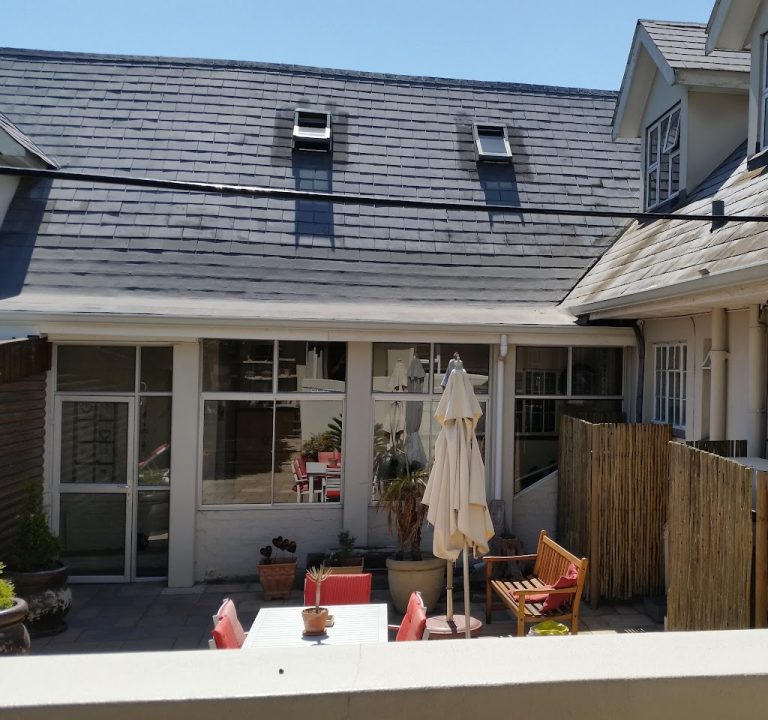
One example of a self-catering option you might encounter is DCS Accommodation Kenridge, a property that highlights the appeal of leafy suburbs with private spaces and convenient access to the city’s sights. The StayIn Cape Town portal (http://www.stayin.capetown/) is a useful starting point for comparing these kinds of stays, with listings that reflect a range of styles and budgets. Always read guest reviews, confirm check-in arrangements, and verify what is included in the stay—such as daily housekeeping, a stocked kitchen, or parking facilities.
To help you plan, here is a quick checklist you can use when you book:
- Confirm distance to the city centre and main attractions, and check if a car is necessary.
- Check kitchen facilities and what is supplied (pots, utensils, coffee/tea, basic condiments).
- Look for clear safety information, a secure entrance, and a contactable host or property manager.
- Ask about transport options, parking availability, and accessibility features if needed.
- Read cancellation terms and understand the policy in case weather or plans change.
- Review neighbourhood character and nearby amenities such as supermarkets, clinics, and restaurants.
As you map your days, balance outdoor adventures with downtime. A coastline drive, a cable-car or hike up a mountain, a guided peninsula excursion, and a museum or gallery visit can each fill an itinerary with variety. Pair these with leisurely meals—whether a casual market bite or a dining room with sunset views—and you’ll experience Cape Town’s dynamic blend of nature, culture and cuisine. With thoughtful accommodation choices and smart planning, your Cape Town stay can be as energetic or as relaxed as you wish, while remaining comfortable, safe and genuinely memorable.