Cape Town: A guide to accommodation, neighbourhoods, and experiences
Cape Town blends dramatic scenery with a rich tapestry of cultures, making it one of the world’s most inviting destinations for a stay that feels both relaxed and authentically cosmopolitan. When planning a visit, the choice of neighbourhood can shape your experience as much as the hotel you select. From the vibrant energy of the city centre to the sun-kissed beaches along the Atlantic Seaboard, and the leafy tranquillity of Constantia, there is a place to suit every style and budget.
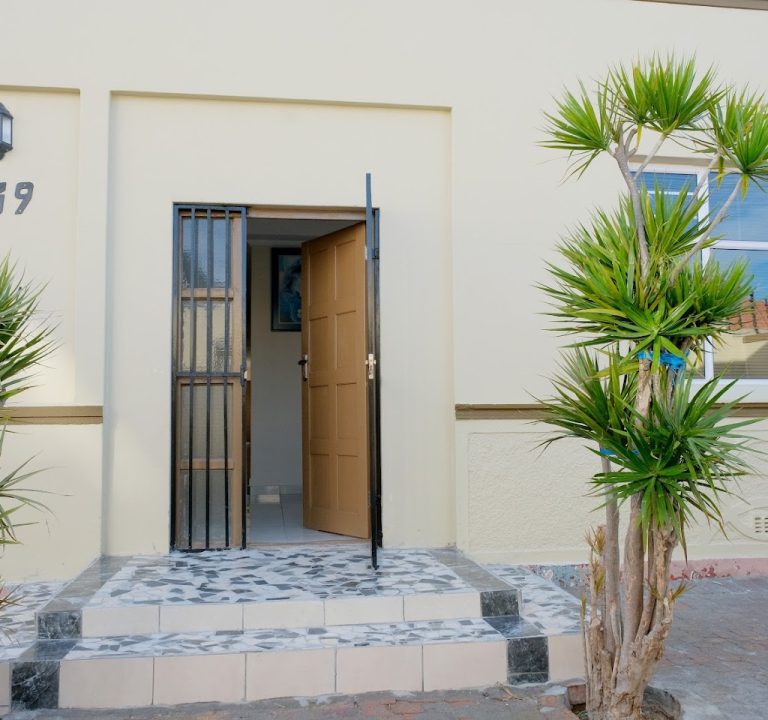
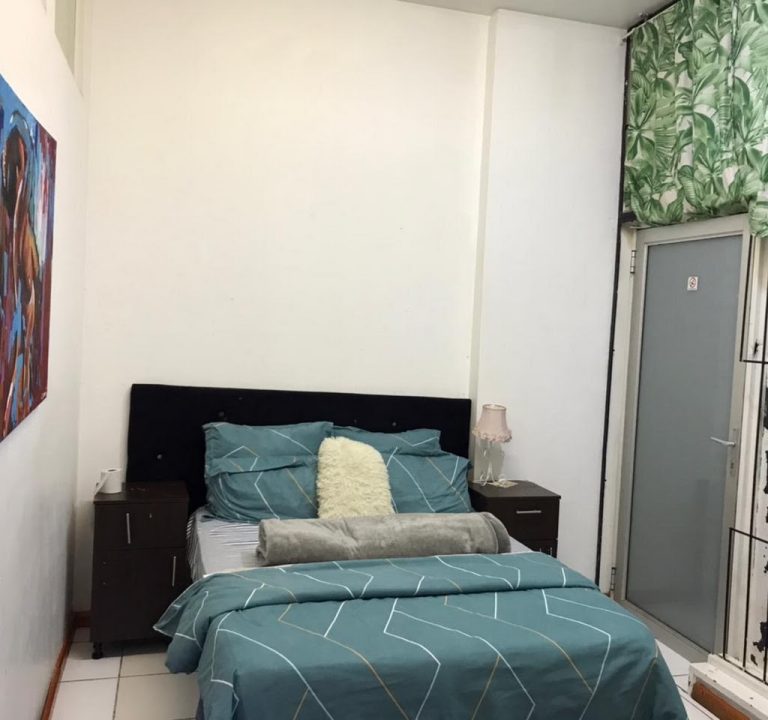
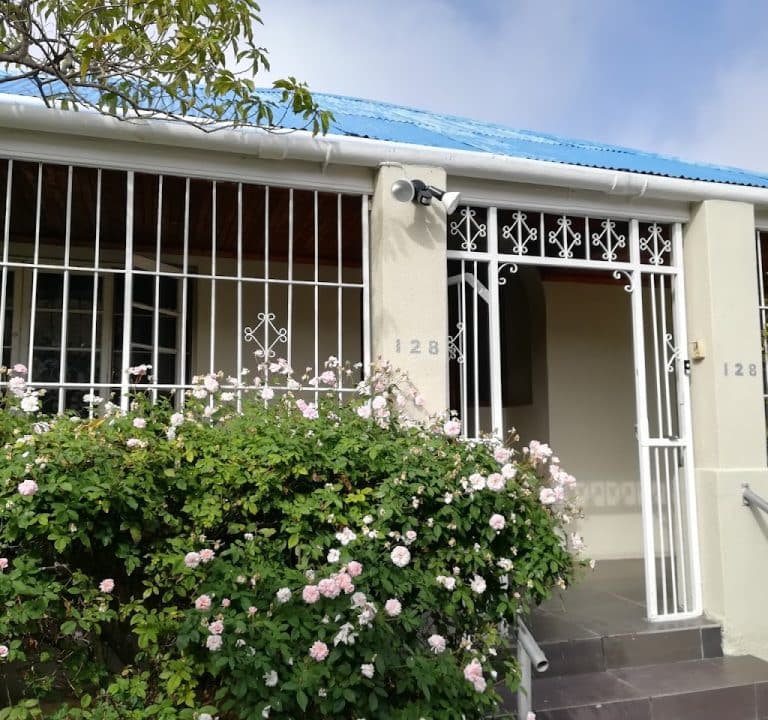
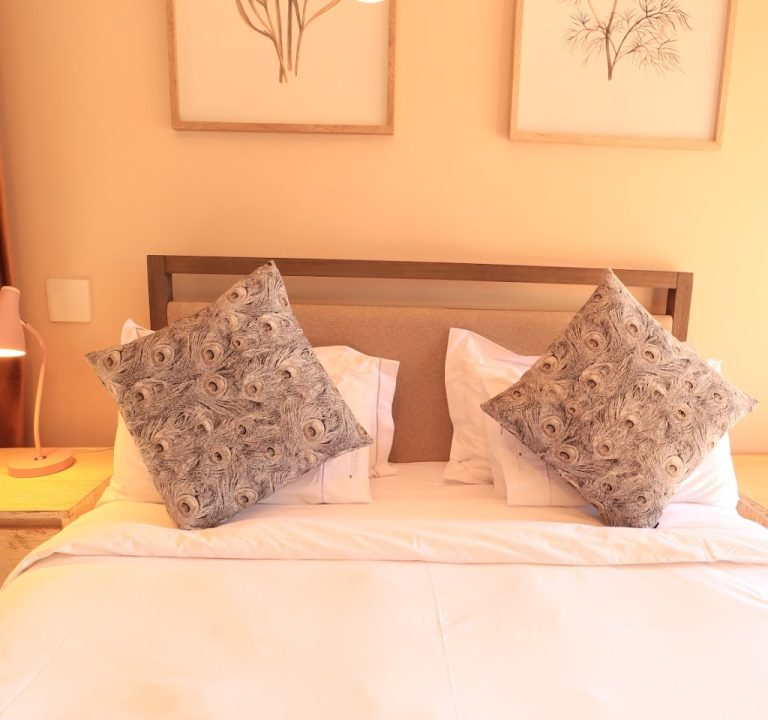
accommodation options stretch from chic boutique hotels and guesthouses to self-catering apartments and contemporary hotels in larger properties. In central areas you can expect compact rooms with efficient layouts and facilities that cater to both short breaks and longer stays. In coastal districts, hotels and guesthouses often emphasise terraces, sea views, and easy access to the promenade. If you are drawn to vineyards and a quieter pace, the rural edge of Constantia or the nearby winelands offer elegant lodges and country-style guesthouses with generous grounds. When budgeting, consider the type of experience you want: a buzzy city stay with convenience and nightlife, or a serene base from which to explore the Garden Route and surrounding nature reserves.
What to look for when booking includes a few practical essentials. Proximity to MyCiTi bus routes or rail connections makes day trips hassle-free, while secure on-site parking can be a real time saver if you’re renting a car. Check the layout of the hotel or guesthouse to see if rooms have good natural light, sensible storage, and a workspace if you need to catch up on emails. A well-equipped kitchenette or self-catering option can be a major convenience for longer stays. If you plan to explore beyond the city, look for properties with easy access to highways or reliable shuttle arrangements to popular sights.
Typical amenities you may encounter include high-speed Wi-Fi, air conditioning or efficient climate control, Netflix or smart TV options, complimentary breakfast, 24-hour reception, and secure entry systems. Many properties offeriferous extras such as a pool (rooftop or outdoor), a fitness room, a cosy lounge, and on-site parking. Dining options on site vary; some hotels provide in-house dining with a focus on local flavours, while others function as convenient bases with recommendations for nearby cafés and eateries. It’s worth confirming whether coffee-making facilities or a hearty breakfast are included, as this can impact daily planning and overall costs.
Transport in Cape Town is straightforward but varies by neighbourhood. In the city centre and the Atlantic Seaboard, Uber and other ride-hailing services are widely used and generally reliable. If you prefer public transport, the MyCiTi bus network covers many routes across the city and suburbs, though some lines are more frequent than others. Driving provides flexibility, particularly for early starts to Table Mountain or a day trip to Cape Point, but parking in popular areas can be limited and sometimes pricey. If you plan to rent a car, book in advance and factor in peak traffic times, especially during the busy summer months and holiday periods.
Best time to visit Cape Town depends on the activities you have in mind. The spring months (September to November) bring mild weather and the city’s flora to life, making it ideal for hiking and outdoor exploration. Summer (December to February) is lively, with longer days, excellent beach conditions, and a full menu of outdoor events, though it can be busy and pricier. Autumn (March to May) offers pleasant weather and good value, while winter (June to August) brings cooler conditions and the chance of rain, which can be ideal for cosy stays and museum visits. For sea-column adventures, always check local safety advisories and plan accordingly for wind and seas on the Atlantic coast.
When planning your itinerary, combine iconic sights with time for relaxed mornings and sunset strolls. A cable-car or hiking morning to a Table Mountain viewpoint is worth the effort for panorama and fresh air, while the V&A Waterfront provides a refreshed hub of shopping, dining, and waterfront views. For culture and history, consider exploring the colourful Bo-Kaap neighbourhood, with its stepped lanes and vibrant houses, alongside museums and galleries that trace South Africa’s diverse heritage. If you enjoy nature, Kirstenbosch National Botanical Garden and the iconic coastal reserves offer restorative walks and picturesque picnics. A day trip to the Cape Peninsula or the Cape Winelands can be a highlight, combining scenic drives with wine-tasting experiences and gastronomic discoveries.
For dining, Cape Town’s restaurant scene ranges from casual bistros to refined establishments focused on seasonal and local produce. Expect menus that honour South African flavours with influences from across the world. When choosing places to visit, look for venues that celebrate fresh ingredients, sustainable practices, and clear wine lists featuring regional favourites. It’s common for most restaurants to welcome guests with a lounge or bar area where you can begin the evening with a drink and plan the next few hours, whether you opt for a light bite or a full tasting menu.
Practical tips to help you plan a smooth stay:
- Book near your planned activities to minimise travel time, especially if you’re visiting during peak season.
- Check for a flexible cancellation policy so you can adjust plans if weather or tides affect outdoor activities.
- Pack a light jacket for coastal winds and sun protection for daytime excursions.
- Prepare for water-aware planning; Cape Town’s coastline and outdoor venues are highly seasonal.
- Respect local customs and be mindful of areas that are particularly busy with nightlife or tourism-focused traffic.
In summary, Cape Town offers a winning combination of comfortable accommodation, stunning surroundings, and a broad spectrum of activities. Whether you’re drawn to a stylish hotel in the heart of the city, a sunlit guesthouse by the Atlantic, or a peaceful retreat amid the winelands, a well-chosen base will unlock a memorable South African experience. Plan thoughtfully, stay flexible, and you’ll enjoy the best of what this remarkable destination has to offer.