Discover Cape Town: accommodation and experiences for travellers
Cape Town sits between mountains and sea, offering a wealth of accommodation styles to suit every budget and preference. From pocket-friendly guesthouses tucked into colourful neighbourhoods to stylish hotels with panoramic views and well-appointed self-catering options, the city provides plenty of choices for a comfortable stay. When planning where to stay, consider factors such as access to the places you want to explore, transport options, and the type of setting you prefer, whether it’s a busy urban area, a quiet coastal street, or a leafy vineyard neighbouring suburb.
Choosing a neighbourhood
- City Centre and the Gardens offer convenience for exploring museums, markets and signature eateries, with easy access to public transport.
- The Atlantic Seaboard, including areas near the coastline, tends to deliver dramatic sea views, larger apartments and a more relaxed atmosphere.
- Camps Bay and Clifton are ideal for beachfront stays, with stylish hotels and close proximity to scenic trails and promenades.
- Constantia and the southern suburbs appeal to wine lovers and those seeking a more tranquil base with easy access to wine estates and nature reserves.
- Paarl, Stellenbosch and the greater winelands provide day-trip possibilities if you want a base outside the city while remaining within reach of Cape Town attractions.
What to look for when booking
- Location balance: proximity to sights you plan to visit versus easy access to transport links.
- Room size and layout: a comfortable bed, good storage, and a quiet room for restful sleep after long days.
- Amenities: reliable Wi-Fi, self-catering facilities if needed, air conditioning or heating, a guest lounge or communal areas, and parking if you will hire a car.
- Safety and access: secure entry, well-lit streets, and a reputable neighbourhood profile.
- Flexibility: policies on cancellations and changes, daily housekeeping, and the availability of breakfast or snack options on site.
- Service level: a friendly front desk, local insights, and assistance with booking tours and transfers.
Typical amenities and services
- Breakfast options ranging from continental to hearty full serves, with coffee and tea facilities available in rooms or shared kitchens.
- In-room comforts such as comfortable bedding, blackout curtains, and ample desk space for planning day trips.
- Shared spaces like lounges, courtyards or rooftops offering a social setting and views.
- On-site eateries or close-by dining options, for evenings of relaxed dining or exploring the local culinary scene.
- Practical touches such as luggage storage, laundry facilities, or near-by public transport stops.
Transport and getting around
Cape Town’s transport network ranges from reliable city buses to rideshare options and well-signposted routes for drivers. If you intend to explore the wider region, a car hire can provide freedom to visit winelands, beaches, and coastal viewpoints at your own pace. For day trips, many accommodations can arrange guided tours or shuttle services, and central areas are usually within easy reach of MyCiTi bus stops. If you prefer sustainability, consider properties with proximity to cycle lanes or on-foot access to key sights.
Best time to visit and practical tips
- Timing: South Africa’s Cape Town summer (roughly November to February) tends to be warm and lively, while autumn (March to May) and spring (September to November) offer mild weather and lower crowds. Winter (June to August) is cooler and occasionally rainy but can be excellent for city culture and scenery.
- Pack for changeable weather: mornings and evenings near the coast can be cool, even in warmer months.
- Book ahead for popular areas: well-located hotels and guesthouses near the Waterfront or Table Mountain experiences tend to fill up quickly in peak season.
- Safety and respect: stick to well-lit routes at night and use reputable transport options if you’re unfamiliar with the area.
- Food and dining: Cape Town’s dining scene is diverse, with many venues offering seafood, modern South African cuisine and international flavours. Try to allocate time for at least one waterfront or day-trip meal to enjoy the atmosphere and views.
Attractions and experiences (general, not sponsorships or specific claims)
Cape Town blends natural beauty with cultural richness. Iconic viewpoints and mountain trails offer dramatic panoramas, while historic sites and beautiful parks provide restful moments amid the buzz of the city. Easy day trips can include coastal viewpoints, nature reserves, and heritage towns nearby. For a full Cape Town experience, balance outdoor activities with visits to markets, museums and gardens, and leave space in your itinerary for spontaneous discoveries along historic streets and harbour quarters.
Notable accommodation options
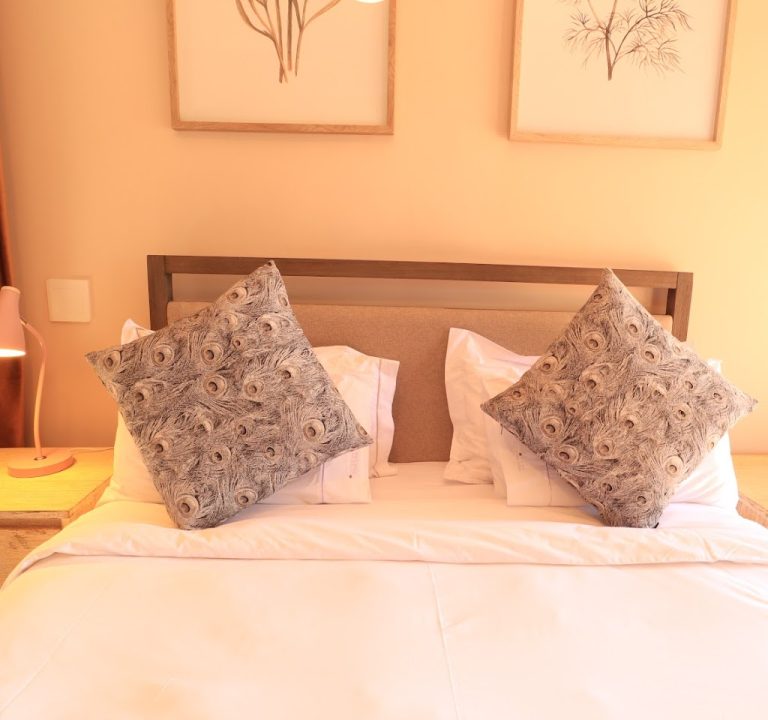
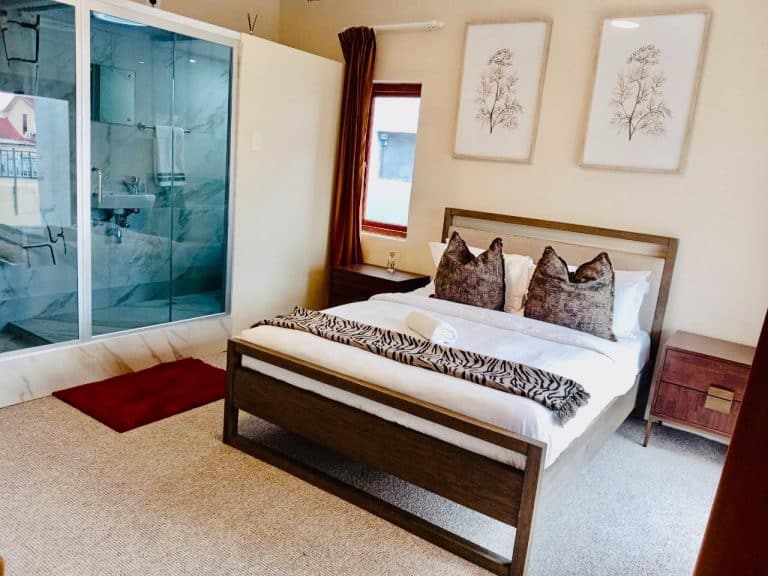
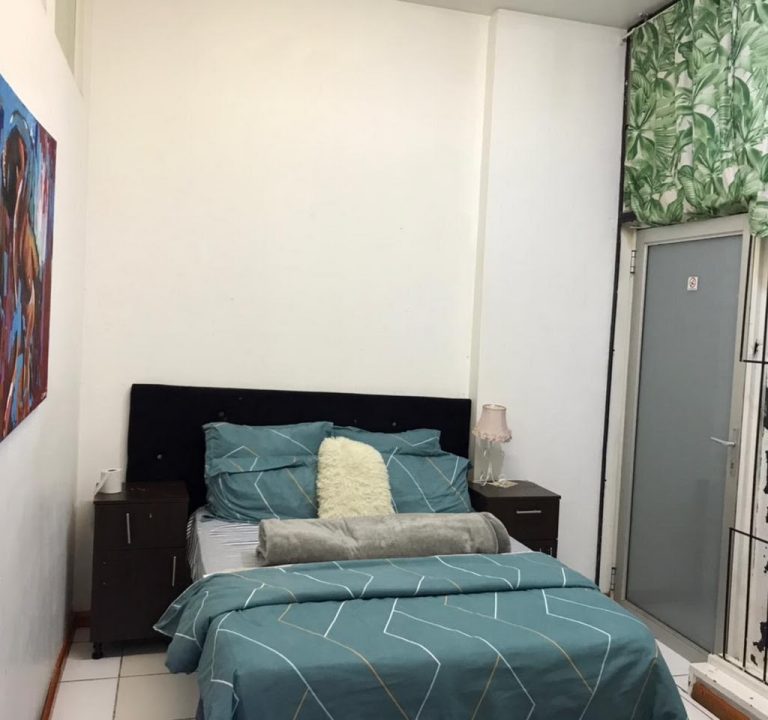
One example of a lodging option available in the city is Sleepin Lodge, which maintains an online presence for guests seeking a central base with straightforward access to popular areas and activities. For details on rooms, facilities and booking options, you can visit the official site: http://sleepinlodge.co.za/
Planning tool: a short checklist for a great stay
- Decide your base based on the sights you’ll visit most often and your preferred pace.
- Check transport access and whether the property offers shuttle services or secure parking.
- Confirm what’s included with the room rate (breakfast, daily cleaning, airport transfers).
- Review cancellation policies and guest reviews to gauge reliability and consistency.
- Explore nearby dining options and local experiences to complement your itinerary.
With thoughtful selection of neighbourhood and a clear plan for how you want to spend your days, a stay in Cape Town can be richly rewarding. The city’s combination of mountains, sea, culture and cuisine makes it possible to tailor a stay that recalls both adventure and relaxation, whether you’re wandering historic streets, enjoying harbour views from a rooftop terrace, or sipping coffee in a sunlit courtyard.