Accommodation and Experiences in Cape Town: Where to Stay and What to Do
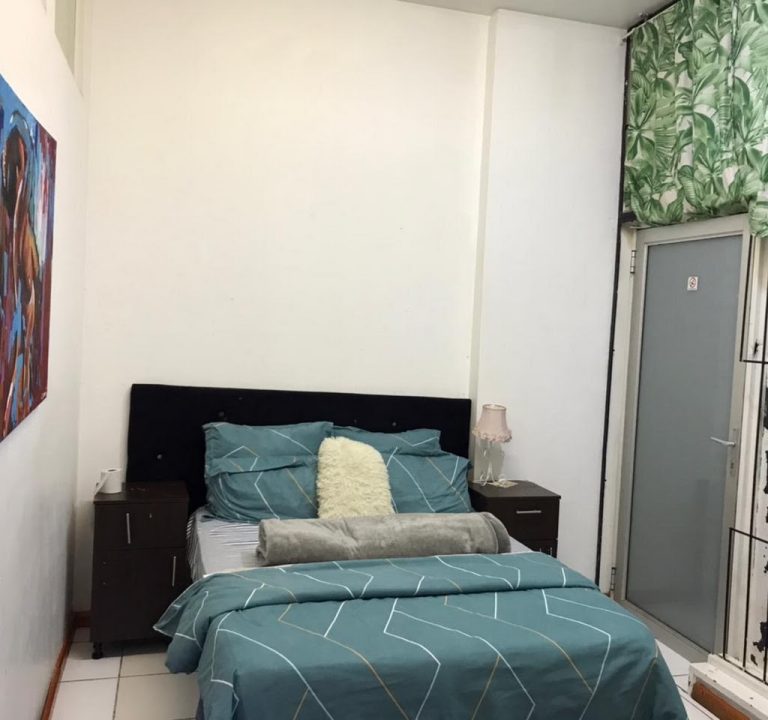
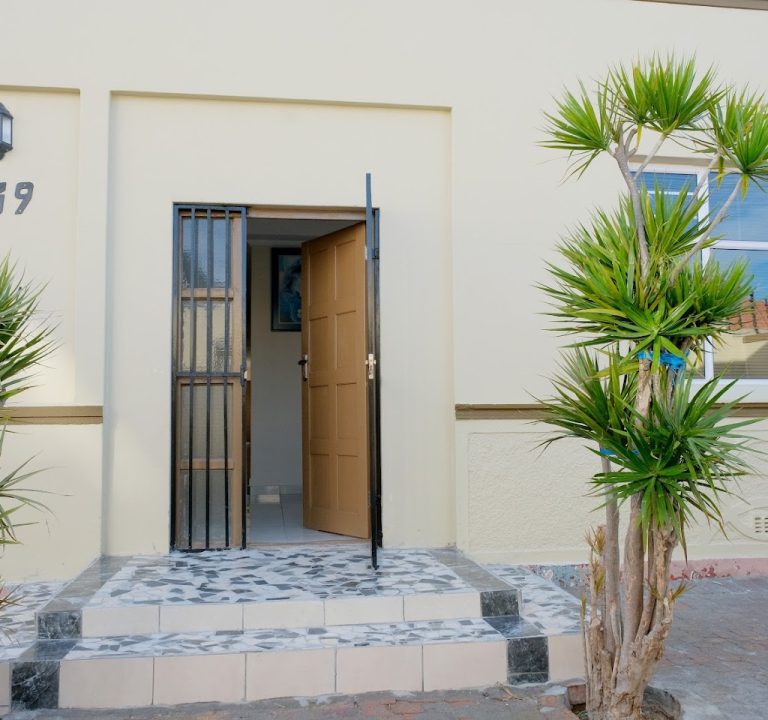
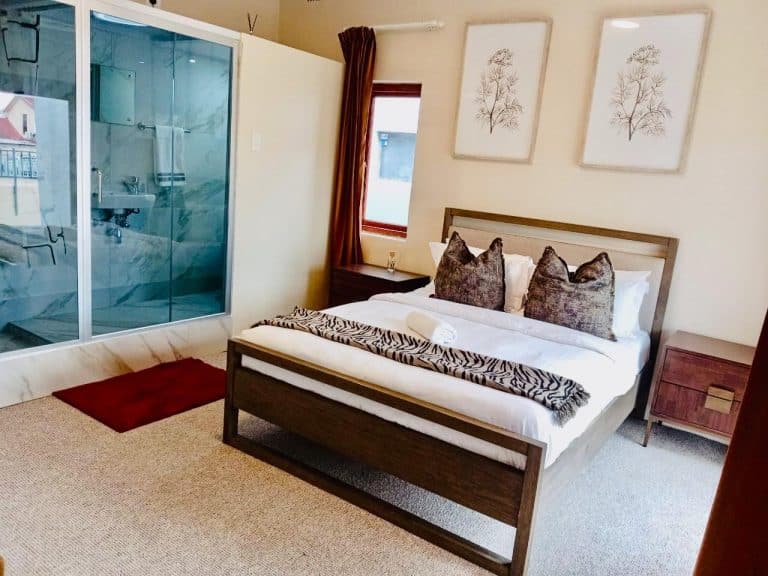
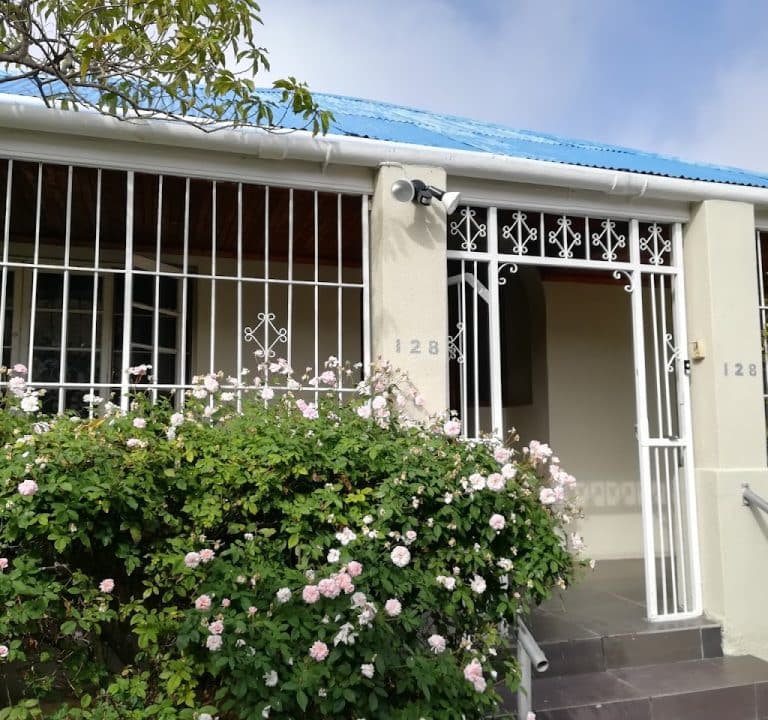
Cape Town offers a diverse range of places to lay your head, from stylish boutique lodges tucked into leafy neighbourhoods to contemporary hotels with sea views along the Atlantic Seaboard. When planning a stay, think about what you want to see and how you prefer to move around. The right location can cut transit time, maximise downtime and help you experience the city’s natural beauty, vibrant dining scene and cultural heritage more fully. A lodge such as ARTUSON SLEEP & GO demonstrates how a calm, well-appointed base can support a relaxed itinerary while still placing you within easy reach of key sights.
Areas to consider depending on your priorities:
- City centre and the historic core: Central Cape Town puts you within walking distance of museums, theatres and markets, with easy access to MyCiTi bus routes and ride-hailing services.
- Cape Town’s inner suburbs: Suburbs near the foothills provide a blend of boutique guesthouses and modern hotels, often with easy access to parks and coastal routes.
- Atlantic Seaboard: If you want dramatic ocean views and a relaxed seaside vibe, consider areas close to the coast, with frequent services to the city centre and excellent dining options nearby.
- Constantia Valley and the winelands on the doorstep: For a slower pace and access to estates, you’ll find lodges and guesthouses surrounded by vineyards and mountain backdrops.
- Bo-Kaap and the city bowl: A great choice for culture, colour and a short walk to historic landmarks, alongside boutique eateries and coffee shops.
What to look for when you book:
- Location and access: Proximity to the sights you plan to visit, and whether public transport or parking is available if you’re hiring a car.
- Amenities that match your stay: Reliable Wi‑Fi, a comfortable workspace if needed, a well-equipped kitchenette or breakfast service, and secure, convenient parking if you’re driving.
- Security and comfort: Gated access, 24‑hour reception or on-site staff, clean common areas and thorough cleaning protocols.
- Views and light: A room with good natural light, a balcony or terrace can significantly improve your daily enjoyment, particularly when you’re spending evenings in.
- Local character: Options that reflect Cape Town’s neighbourhood charm—whether contemporary design, colonial touches or a lodge-style feel—can enrich your stay without inflating the price.
- Transport links: In larger lodges or hotels, ask about shuttle services or nearby taxi options, especially if you’ll be visiting peak-demand sights in high season.
Typical amenities you might encounter:
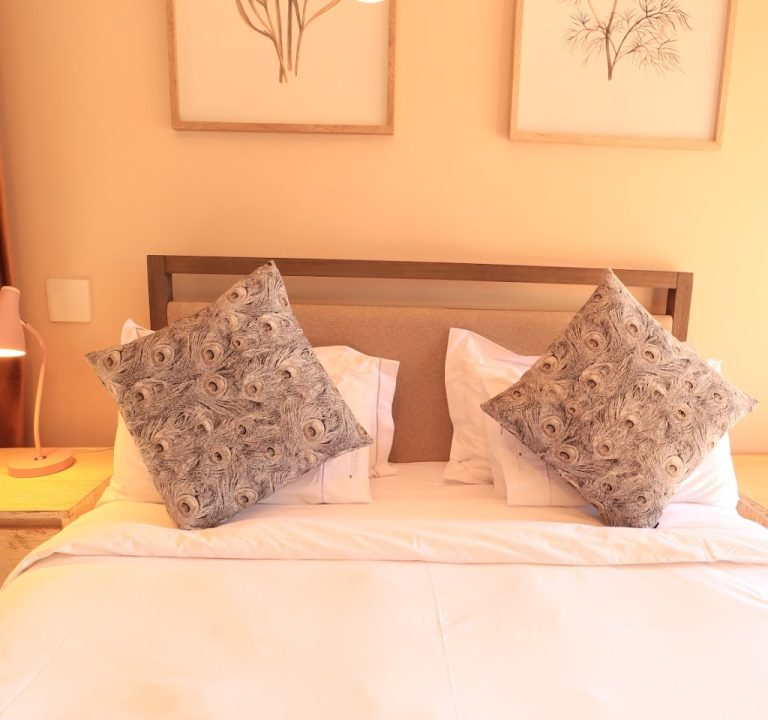
- Comfortable beds with quality linens, climate control and en suite bathrooms.
- On-site dining or easy access to nearby cafés and restaurants for breakfast or dinner.
- Self-catering facilities or tea and coffee making provisions in-room.
- Communal spaces such as lounges, outdoor terraces or pools where you can unwind after a day of exploring.
- Wi‑Fi access, charging points, and good lighting for work or travel planning.
- Concierge or guest services to help with activity bookings, restaurant reservations and itinerary planning.
Transport and getting around:
Cape Town’s geography means some sights are best reached by a combination of walking, taxi or rideshare, and public transport. The city’s main routes are served by a dedicated bus network as well as a growing array of app-based services. If you rent a car, you’ll enjoy the freedom to explore beyond the city centre at your own pace, though some areas can have narrow streets and limited parking. For day trips—such as a visit to the iconic Table Mountain, coastal viewpoints, or Stellenbosch and surrounding wine routes—consider guided tours or private transfers if you prefer a relaxed schedule without driving yourself.
Best time to visit and seasonal planning:
Cape Town experiences a Mediterranean climate with wet winters and dry summers. Peak visitor periods are in the summer months when coastal temperatures are pleasant and outdoor activities are at their best. Spring and autumn offer milder weather and fewer crowds, which can be ideal for city strolls, vineyard visits and hiking. If you’re keen on outdoor activities like hiking or coastal walks, aim for shoulder seasons to balance weather with smaller crowds. Always check local forecast patterns and be prepared for sudden changes, especially in the wind-prone areas near the coast.
Practical tips for a smooth stay:
- Book in advance for popular months, but stay flexible where possible to capitalise on smaller deals or last-minute availability.
- Read recent guest reviews to gauge consistency in cleanliness, service, and the condition of facilities.
- Check the neighbourhood’s safety recommendations and plan your evening routes accordingly.
- Pack comfortable walking shoes, a light layer for cooler evenings and sun protection for daytime activities.
- Plan a balanced itinerary that includes time for rest between busy sightseeing days to avoid travel fatigue.
Attractions and dining in general terms:
Cape Town offers a wealth of natural and cultural experiences, from panoramic coastal views and rugged mountains to historic neighbourhoods and markets. Dining scenes range from casual eateries serving fresh seafood and traditional dishes to refined restaurants that showcase South African produce and international flavours. When planning meals, consider trying a mix of informal spots near your accommodation for easy evenings and more curated options for special occasions. For a well-rounded visit, build in a couple of experiences that highlight the city’s heritage, cuisine and scenic beauty, balanced with downtime at your lodgings or nearby parks and beaches.