Cape Town: Accommodation, attractions and planning your stay
Cape Town blends dramatic landscapes with a vibrant urban edge, making it a destination where choosing the right base can shape your entire experience. From rolling vineyards in nearby valleys to pristine beaches and bustling markets, the city offers a wide range of accommodation styles, from intimate guest houses to stylish boutique hotels and self‑catering apartments. The key is to pick a neighbourhood that matches your priorities, whether that means convenient access to the waterfront and Table Mountain, or a quieter stay in coastal or rural surrounds nearby.
When planning a stay, it helps to think about how you want to spend your days. Will you be exploring by public transport, hiring a car, or joining organised tours? Do you prefer a cosmopolitan atmosphere with plenty of dining options, or a more relaxed, low‑key neighbourhood with easy access to nature?
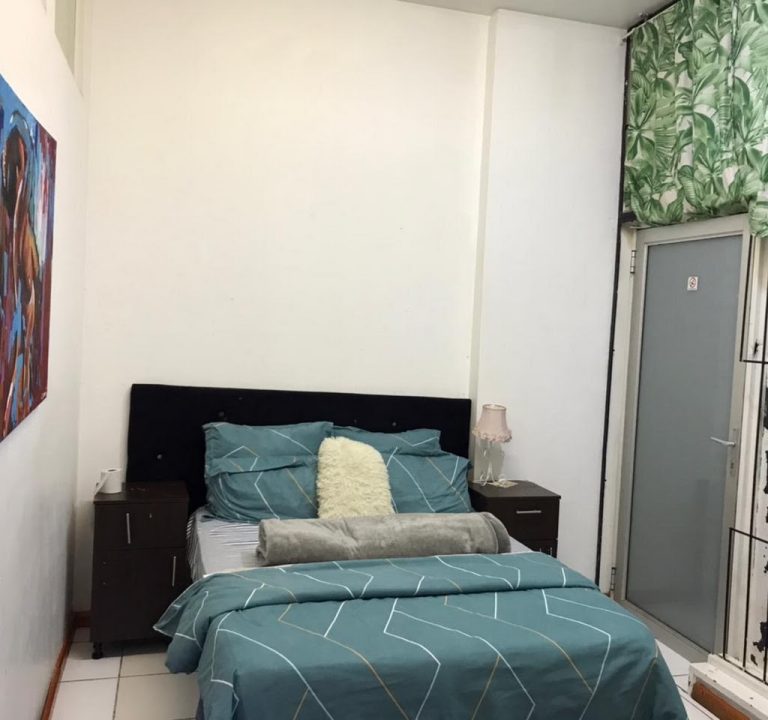
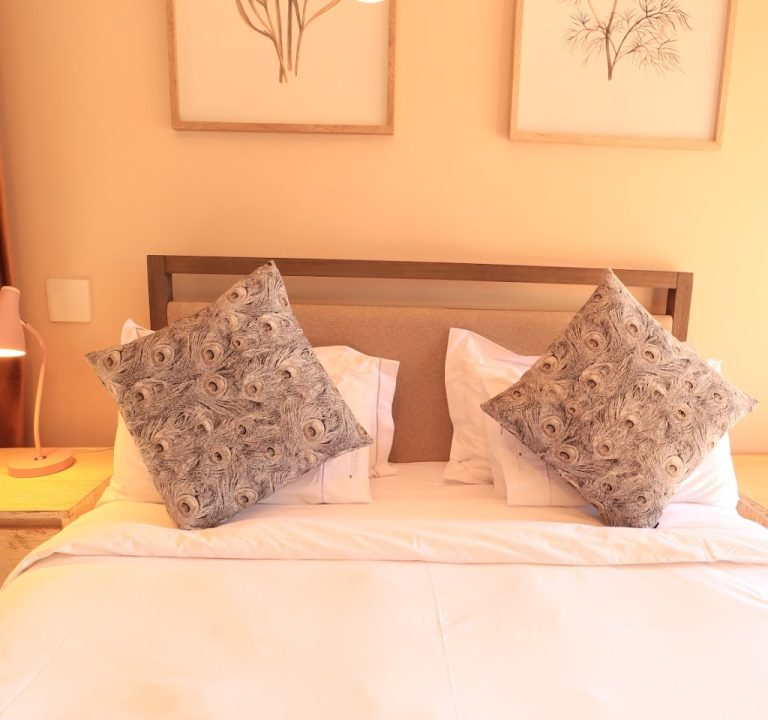
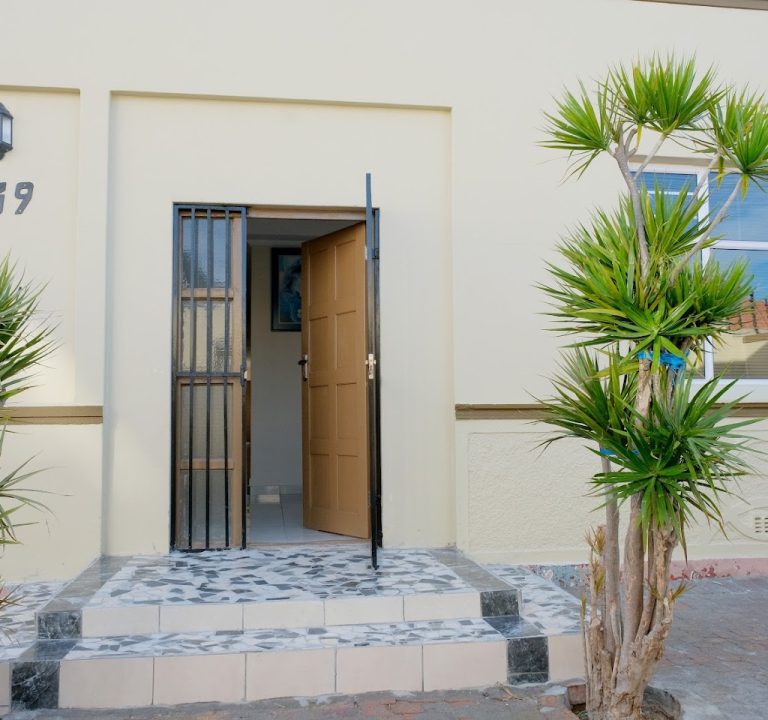
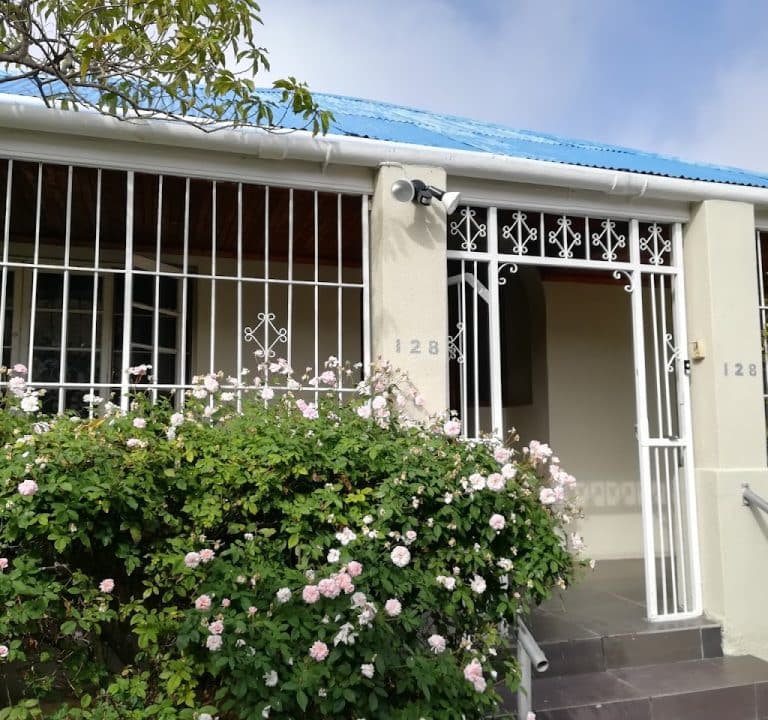
Essential Guest House is a useful example of a guest‑house style stay that prioritises comfort, attentive hosts and a personal touch. While every property has its own character, most guest houses in Cape Town offer a warm, sociable atmosphere, breakfast options, and rooms that balance privacy with recommendations tailored to your plans for the day.
To help with your decision, here are some typical features to look for in accommodation and how they might influence your itinerary.
- Location by area: City Centre and the V&A Waterfront for convenience and dining; Green Point and Sea Point for a classic urban‑coastal vibe; Camps Bay and Clifton for beaches; the Constantia Valley for wine‑tasting and leafy tranquillity; or the Cape Winelands as a day trip hub.
- Room type and privacy: ensuite bathrooms, soundproofing, and options for family rooms or doubles for solo travellers.
- Facilities: Wi‑Fi, on‑site parking, secure access, in‑house breakfast, guest lounges, and easy‑to‑use maps or curated local contacts.
- Transport links: proximity to MyCiTY public transport routes, hop‑on hop‑off tours, or taxi and rideshare access for evenings out.
When booking, consider the following practical points. Cape Town experiences peak demand during South African school holidays and over the festive period, so early reservations are wise. Some properties offer flexible cancellation policies, which can be helpful if your plans may shift. Read guest reviews with an eye for consistency—look for notes about cleanliness, staff responsiveness, and accuracy of descriptions. If you have particular needs, such as a specialised breakfast, accessibility features, or dietary considerations, contact the host in advance to confirm suitability.
Typical amenities you may encounter include a continental or full English breakfast, tea and coffee facilities, access to a communal lounge, and information packs with local tips. Some guest houses provide curated experiences, such as guided walks, wine tastings nearby, or recommendations for safe day trips to the Cape Peninsula. If you are self‑catering, you might prioritise a kitchenette, a supermarket nearby, and clear instructions for getting to major sights.
Transport in Cape Town is varied and often straightforward, though terrain and traffic can influence timings. The city is well served by a network of buses and trains, but rental cars or rideshares provide greater freedom to explore the broader region, including the Cape Peninsula and the Constantia valley. If you stay near the Waterfront, V&A, or central areas, you may find a car optional for day trips, with many guests preferring to walk or use local transit for short city excursions.
Best time to visit Cape Town depends on your preferences. Summer months (December to February) bring long days and lively outdoor options, but peak crowds and higher prices. Spring (September to November) offers mild weather and blooming gardens, while autumn and winter (May to August) deliver cooler spells and clear mountain air, which is ideal for hiking and scenery seekers, along with fewer tourists. Regardless of season, plan for a mix of outdoor activities, such as coastal walks, cable car trips up Table Mountain when weather allows, and visits to nearby nature reserves.
Key attractions, in broad terms, range from the iconic Table Mountain and the scenic Cape Peninsula drive along Chapman's Peak to the verdant winelands just outside the city. Visitors commonly enjoy strolling the V&A Waterfront, markets, and historic precincts, then venturing further to the Kirstenbosch Botanical Gardens or the Cape Point nature reserve. For dining, Cape Town offers a spectrum from casual seafood shacks to contemporary restaurants with modern South African cuisine. In addition to restaurants, many areas host cafés, bakeries, and food markets where you can sample local flavours and fresh produce without committing to a full restaurant meal.
Practical tips to help your stay go smoothly:
- Pack versatile clothing for variable weather, especially if you plan to visit outdoor attractions in the mornings and evenings.
- Carry a lightweight map or offline map on your phone for areas with limited signal. Local advice at reception or from hosts can be invaluable for finding less touristy viewpoints and safe routes.
- Respect local customs and safety guidance, especially when exploring coastal paths or busy city streets after dark.
- Budget for a mix of dining options and experiences—book a couple of special meals or guided activities to frame your stay, while leaving time for spontaneous discoveries.
Whether you prioritise a stylish city base, a family‑friendly guest house with garden space, or a tranquil hilltop retreat with sea views, Cape Town offers a broad spectrum of choices. With thoughtful planning around neighbourhoods, transport and seasonal timing, you can craft an itinerary that balances scenic adventures with comfortable, welcoming accommodation and easy access to the city’s many attractions and eateries. For more inspiration, explore reputable travel guides and current visitor information online to tailor your stay to your tastes and travel style.