Where to Stay in Cape Town: Accommodation, Planning and Local Experiences
Cape Town offers a diverse range of places to rest your head, from characterful guest houses to contemporary boutique hotels and family‑run lodges. When planning a stay, it helps to think about what you want from your trip: your preferred neighbourhood, access to sights, and the sort of ambience that suits you. A well‑chosen base can make day trips easier, dining more convenient, and evenings more relaxed, especially if you are balancing sightseeing with downtime on patios or sea‑breeze balcony corners.
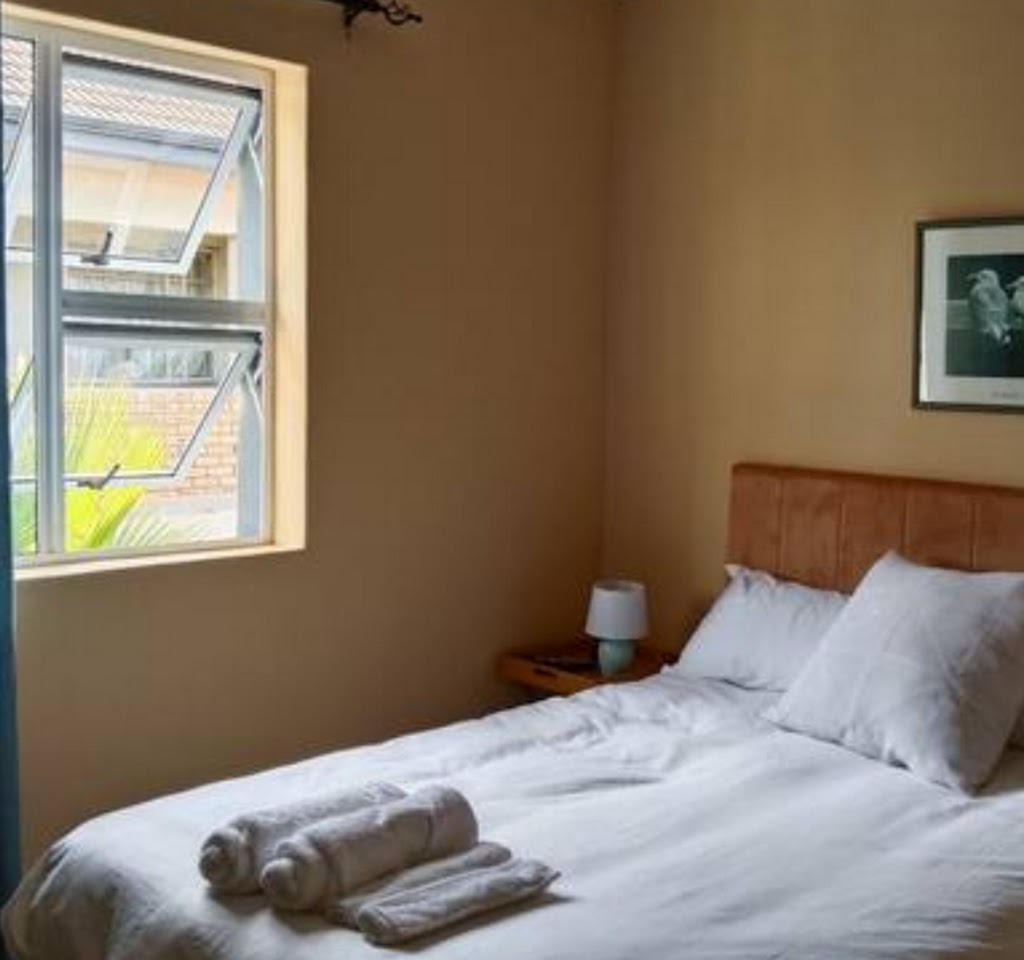
One popular option for intimate stays is a guest house. These properties often combine a personal touch with comfortable rooms, generous breakfast options, and insider recommendations about the area. For example, a guest house in Cape Town such as Jacmo Guest House offers a homely atmosphere with easy access to some of the city’s well‑known attractions, while still allowing guests to retreat to a quiet, private space at the end of the day. When choosing a guest house, look for hosts who can provide practical tips on transport routes, safe neighbourhoods, and local eateries, which can be as valuable as the room itself.
Where to stay is the first decision. Cape Town is a city of distinct neighbourhoods, each with its own character and advantages for visitors. Consider these broad zones when planning your itinerary:
- City Bowl and Central Cape Town – close to museums, galleries, markets, and the bustle of the inner city; ideal for walkers who enjoy a lively, urban pace.
- Atlantic Seaboard – including areas near the coast, with long beaches, scenic drives, and a mix of stylish guest houses and boutique hotels.
- V&A Waterfront and the harbour area – great for access to boat tours, shopping, and easy departures for day trips along the Cape coast.
- Constantia and the Constantia Valley – a calmer, greener option with wine‑route experiences and country‑house style stays; excellent for travellers who want a break from city crowds.
- Observatory and Green Point – convenient for university‑related events, cafés, and a short ride to major sights while staying in a more residential setting.
When booking, consider a few practical factors to ensure a smooth stay. Look for properties that offer clear information on parking (whether on‑site or public transport access), reliable wifi for remote work or streaming, and flexible cancellation policies in case your plans shift. If you are visiting during the height of summer, a room with good airflow or air conditioning can make a big difference; in shoulder seasons, heating or cosy communal spaces can be a welcome feature. Check whether breakfast is included and whether the menu can accommodate dietary preferences. For families or groups, ask about family rooms, adjoining suites, or self‑catering facilities that make daily routines easier to manage.
Typical amenities in Cape Town accommodation often include secure parking, 24‑hour access or on‑site reception, and a choice of room configurations. You may find guest houses offering curated breakfast experiences, with options ranging from light continental to a more substantial warm‑serving spread. Boutique hotels may provide curated bar spaces, small lobbies with local art, and attentive, knowledgeable staff who can tailor recommendations to your interests. For longer stays, self‑catering apartments or suites with kitchen facilities can be especially convenient, giving you the flexibility to cook a meal after a long day of sightseeing.
Transport is a key planning consideration. The MyCiTi bus network is widely used by travellers for urban exploration, and rideshare apps are common in the city centre and popular suburbs. If you are planning day trips to the Cape Peninsula, a hire car provides the greatest flexibility, particularly for excursions along the coast, to scenic viewpoints, wine estates, and nature reserves. If you prefer not to drive, many guest houses organise transfers or can recommend trusted drivers for trips to the Cape Peninsula, the Cape Winelands, or the Cape of Good Hope region. Walking and cycling are also enjoyable in areas with well‑marked paths and scenic routes, especially in the City Bowl and along the Sea Point promenade.
Best time to visit Cape Town depends on your activities. The late spring and summer months (roughly October to April) offer long days, vibrant outdoor life, and easy access to beaches, outdoor markets, and hiking trails. Winter (May to August) brings cooler weather and the possibility of misty mornings, but is also a good time to enjoy fewer crowds, cosy eateries, and great value in some accommodations. Spring and autumn can be a pleasant balance of agreeable temperatures and manageable crowds. If you plan coastal walks, wildlife watching, or wine‑tasting excursions, try to align your stay with favourable conditions and open venues.
Restaurant and dining experiences in Cape Town range from casual bayside spots to refined eateries, with menus featuring local seafood, farm‑to‑table produce, and international influences. In general terms, you’ll find a strong emphasis on fresh ingredients, seasonal dishes, and scenic locations—whether a sunny terrace with sea views or a tuckedaway courtyard in a leafy neighbourhood. Most places welcome reservations, and many offer flexible tasting menus or shareable plates that make it easy to sample a range of flavours during a single evening. If you are unfamiliar with local customs, a polite enquiry about tipping and service charges is helpful, as expectations can vary by establishment and setting.
Practical tips for a smooth stay in Cape Town:
- Pack for changeable weather and layered clothing, especially if you plan to visit Table Mountain or outdoor precincts where conditions can shift quickly.
- Learn a few friendly phrases in local English or Afrikaans; friendly communication goes a long way with hosts and staff.
- Budget extra time for travel between districts, as peak traffic can affect planned excursions and restaurant bookings.
- Respect local safety guidelines and keep valuables secure, particularly in busy tourist areas.
- Research environmental practices and supporting businesses that prioritise sustainable tourism.
With thoughtful planning, Cape Town can offer a rich blend of comfortable stays, spectacular scenery, and memorable experiences. Whether you choose a characterful guest house such as Jacmo Guest House, a chic city‑centre hotel, or a tranquil retreat in the Constantia valley, you will likely find that your days are filled with diverse activities, friendly hospitality, and the distinct charm that makes the Western Cape so beloved by travellers.