Exploring Cape Town: Where to stay, what to plan, and how to make the most of your visit
Cape Town, in the Western Cape, is a city of striking contrasts where ocean, mountains and urban life converge. When planning a stay, the choice of neighbourhood can shape your experience as much as the accommodation itself. From bustling harbour and city-centre hubs to leafy valleys and coastal retreats, there is a range of options that suit different styles and budgets. A common starting point is to consider areas that give you convenient access to the expressways and public transport, as well as iconic sights and eateries.
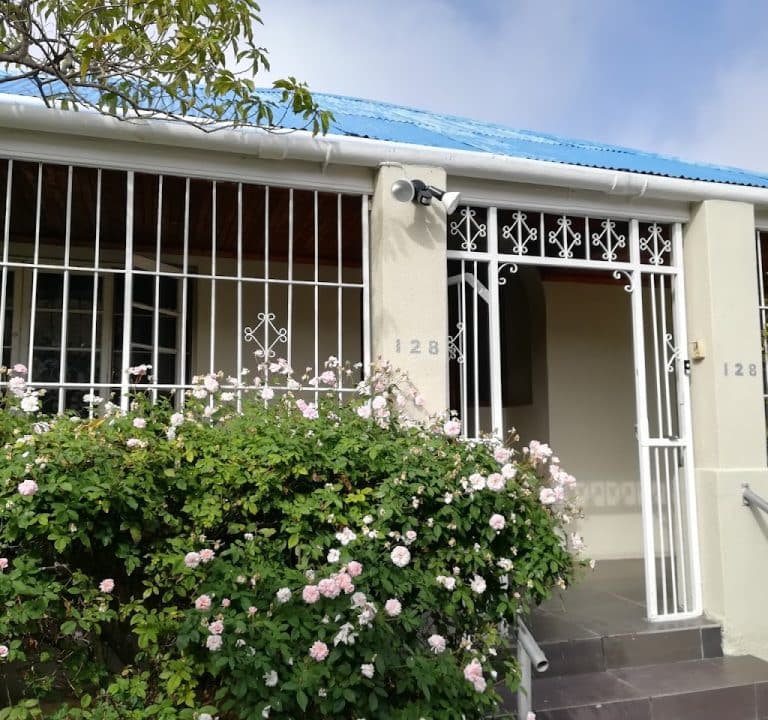
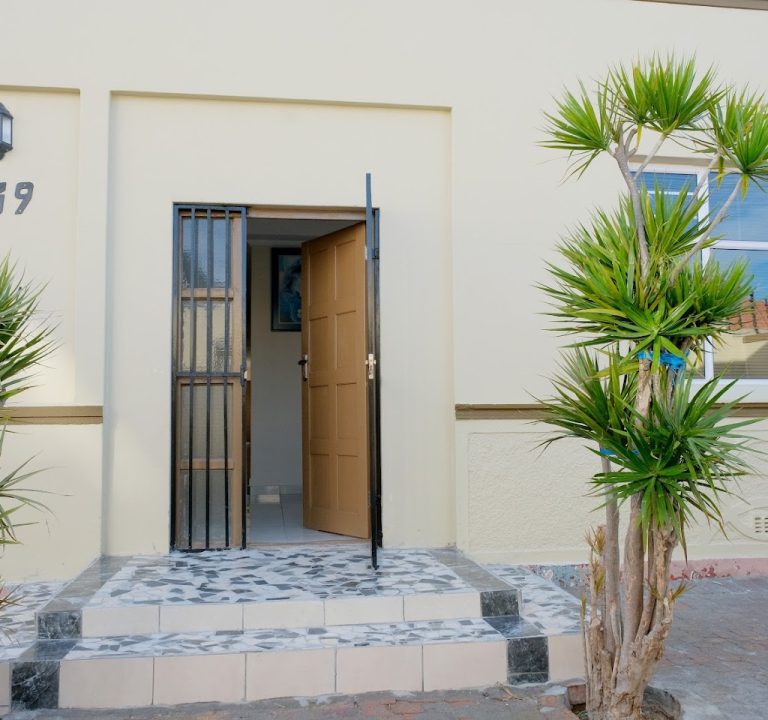
Self-catering options, such as SALAMA LODGE CAPE TOWN, offer flexibility for travellers who wish to strike a balance between home comforts and the social buzz of a city. Self-catering stays can be particularly appealing for families, groups or travellers who prefer to cook some meals at their own pace. Look for well-equipped kitchens, adequate dining space, reliable Wi‑Fi, and private or easy access to outdoor spaces. If you’re considering a self-catering stay, it’s worth noting the proximity to supermarkets, market halls or farmers’ markets, where you can source fresh produce and regional specials.
Areas to consider include the City Bowl for walkable downtown flavour, with easy access to museums, galleries, and a range of dining options. The Atlantic Seaboard, including Camps Bay and Clifton, tends to attract visitors who want dramatic coastal scenery, trendy eateries and a resort-like feel. Constantia and nearby southern suburbs offer a quieter, green setting with wine routes and scenic drives, ideal for a more relaxed pace. The Bo-Kaap with its colourful houses and cultural history provides a unique neighbourhood character, while Green Point and De Waterkant offer a lively waterfront atmosphere close to major attractions and public transport links.
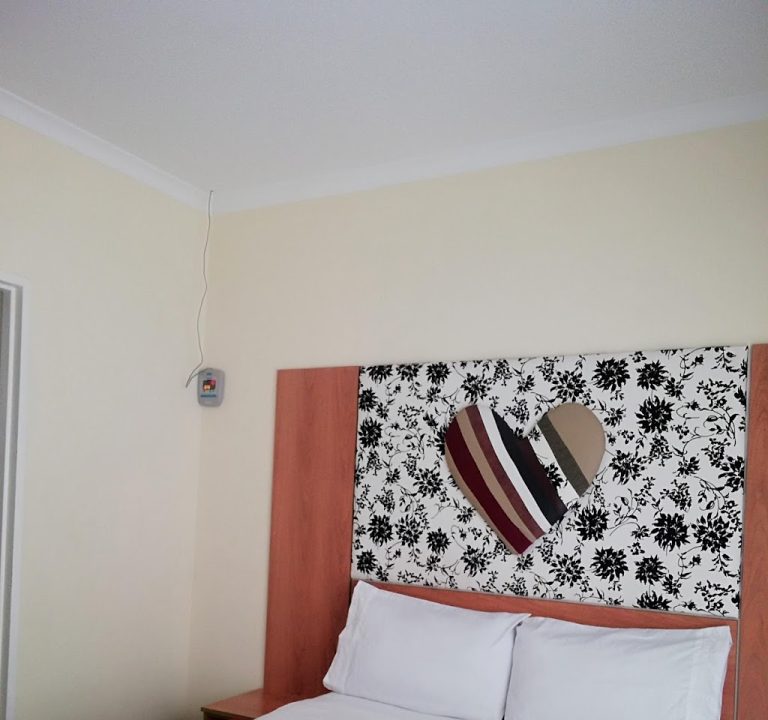
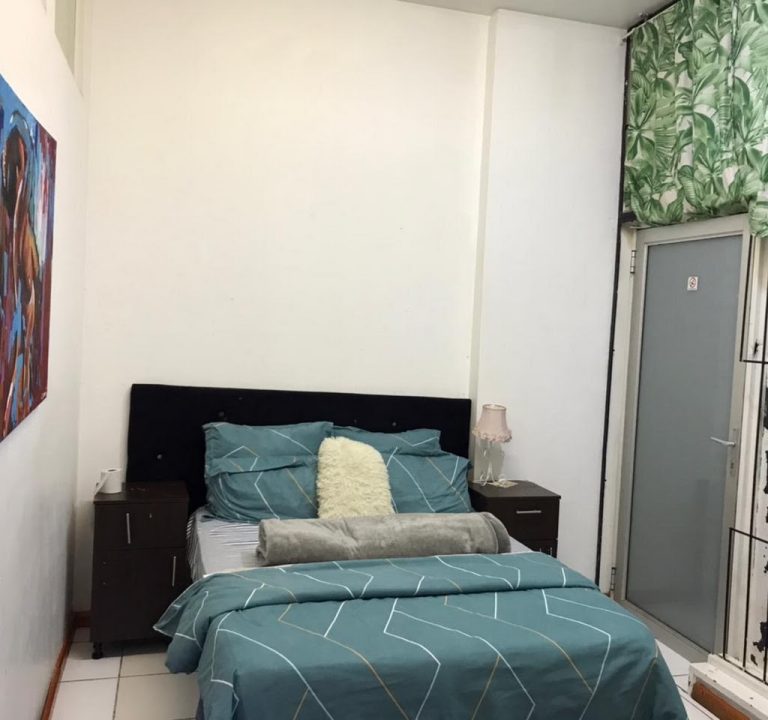
When choosing accommodation, consider what you will use most: a base for exploring the city, a place with a view, or a quiet retreat after day trips. Typical amenities in well-regarded options include reliable Wi‑Fi, comfortable bedding, adequate heating or cooling, secure parking, and good kitchen facilities if you are self‑catering. Look for clear cancellation policies, responsive hosts or management teams, and a straightforward check‑in process. If possible, read recent guest feedback about quiet hours, housekeeping, and how well the property handles maintenance issues.
Transport in Cape Town is generally straightforward, though planning ahead saves time. The MyCiTi bus network offers routes across key districts, and Uber or other ride-hailing services provide flexibility for evening dinners, scenic drives, or trips to hillside viewpoints. If you have a car, ensure there is convenient parking, particularly in busy city centres or popular coastal zones where street parking can be time-limited or metered. Many guesthouses and lodges provide secure parking or can suggest safe public parking nearby. For day trips—such as a visit to the Cape Peninsula, a cable car ride up Table Mountain, or a trip to Kirstenbosch Gardens—having a car or arranging a guided tour can optimise your time and comfort.
The best time to visit Cape Town depends on your priorities. Summer (December to February) offers longer days, warmer seas, and lively outdoor scenes, though beaches can be busy. Shoulder seasons—spring (September to November) and autumn (February to April)—often deliver milder weather, fewer crowds, and good value on accommodation. Winter (June to August) is cooler and wetter, yet has a certain dramatic atmosphere and excellent indoor dining options, plus fewer tourists. Always check local forecasts and water temperatures if swimming is on your list, as conditions can change quickly along the Atlantic coast.
Practical tips for a smooth stay:
- Research the neighbourhood’s vibe in relation to your interests—views and proximity matter as much as price.
- Check for essential amenities: a well-equipped kitchen, reliable Wi‑Fi, heating or cooling, and off-street parking if you plan to hire a car.
- Assess accessibility and ease of arrival: how close is the accommodation to main roads, airport routes, or rail links?
- Think about safety and security: secure entrances, well-lit surroundings, and proximity to legal and helpful services.
- Plan for peak traffic times when scheduling day trips or airport transfers, especially along the Atlantic Seaboard and coastal routes.
When it comes to attractions and dining, Cape Town offers a broad spectrum. Visitors typically combine a few natural highlights with cultural experiences and a taste of the city’s renowned dining scene. Iconic sites include dramatic coastal panoramas, harbour-facing promenades, and cable-car views from Table Mountain. For a flavourful sense of the city, look to diverse neighbourhoods that host eateries and casual bistros offering a mix of seafood, modern South African cuisine, and international options. In addition to signature experiences, you’ll find markets, art galleries, and green spaces that invite slow, reflective exploration or relaxed family days out. For dining, reputable trips often suggest making reservations or checking hours in advance, as popular spots can fill quickly, especially on weekends and in holiday periods.
Booking a stay in Cape Town invites the chance to tailor your itinerary to your pace and interests. Whether you choose a bright apartment in the city centre, a cliff‑side lodge with sweeping sea views, or a cosy guesthouse in a leafy suburb, a well-planned base helps you enjoy both the natural beauty and the cultural richness of the region. And with careful attention to transport, timing, and amenities, your Cape Town visit can be both comfortable and unforgettable.