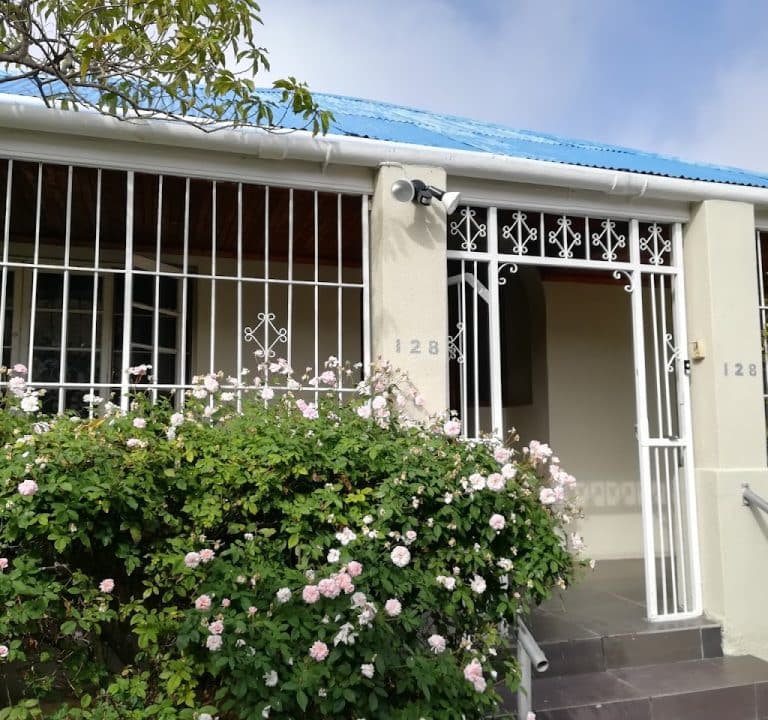
Accommodation and experiences in Cape Town: planning a memorable stay
Cape Town combines dramatic scenery with a welcoming hospitality scene, ranging from intimate guest houses to stylish boutique hotels and family-friendly lodges. When planning a stay, it helps to think about what you want to get out of the visit: countryside views, easy access to the city’s museums and markets, or quick hops to the Atlantic coast and cable-car peaks. Cape Infinity Guest House, for example, sits amongst options that balance comfort, character, and convenient proximity to key sights, offering a solid base from which to explore the city and its surroundings.
Choosing where to stay in Cape Town often comes down to neighbourhoods and what they offer. The Atlantic Seaboard delivers seaside scenery and a cosmopolitan vibe, with guest houses and boutique stays perched along the coast and within easy reach of beaches, cafés, and high-end dining. The city centre and the nearby Bo-Kaap offer cultural immersion, historic architecture, and bustling markets, while areas like Woodstock and Observatory provide a laid-back, creative atmosphere with proximity to excellent eateries and transit connections. For families or travellers seeking nature on the doorstep, the southern suburbs andConstantiaberg foothills provide leafy streets, guest houses with gardens, and access to hiking trails and nature reserves.
When you book, look for a few practical hallmarks that can make a stay smoother. A guest house or hotel that offers generous breakfast options, reliable housekeeping, and friendly, responsive front-of-house service can transform travel days. A light touch of personal recommendation, from help with local transit routes to advice on day trips, is often as valuable as the room itself. If you’re staying in peak season, consider flexibility in check-in times and clarity on parking arrangements, especially if you’re driving to a coastal area or a hillside property with limited space.
Typical amenities to expect include well-appointed en-suite bathrooms, comfortable beds with quality linens, and good climate control for Cape Town’s varying weather. Many properties provide free Wi-Fi, secure parking, and tea-and-coffee facilities. For travellers seeking extra convenience, look for on-site or nearby restaurants, a guest lounge or garden, and informed staff who can offer itineraries tailored to interest—whether it’s a day of hiking in a coastal reserve, a visit to a nearby botanical garden, or a guided food and wine stroll in the city streets.
Transport is a practical consideration. Cape Town is served by an international airport, and the city’s roads can be busy in peak hours. Easy access to MyCiTi buses or reliable private transfers can save time when you’re trying to reach top sights or a coastal drive. If you plan to explore the Peninsula, choosing a base with convenient access to road routes and parking can save you from long city trips each day. For some visitors, renting a car is the simplest way to reach winelands and scenic viewpoints; for others, combining guided tours with public transport keeps things relaxed and economical.
The best time to visit Cape Town depends on priorities. The late spring and summer months offer longer days and a vibrant outdoor scene, ideal for table mountain views, coastal walks, and outdoor markets. Autumn brings milder temperatures and fewer crowds, which can be wonderful for city sightseeing and museum visits. Winter in Cape Town is cooler and wetter, yet many attractions remain open and escape routes into nearby winelands or the Cape countryside provide a cosy alternative. When planning, it’s wise to consider seasonal school holidays and local festival calendars to avoid peak congestion while still enjoying lively cultural offerings.
Attractions and experiences in and around Cape Town cover natural beauty, culture, and cuisine. Iconic landscapes and viewpoints provide a dramatic backdrop for day trips to the surrounding coastline and mountains, with opportunities for scenic drives, short hikes, and boat trips. Within the city, heritage sites, markets, and galleries offer a flavour of Cape Town’s history and modern creativity. Dining here ranges from casual coffee stops with artisan pastries to more formal tasting menus that highlight Cape summers' fresh seafood and farm-fresh produce. For a balanced itinerary, pair scenic outdoor time with a neighbourhood stroll, a cultural exhibition, and a relaxed meal at a nearby restaurant in the area you’re staying in.
Practical tips to help you make the most of your stay:
- Choose accommodation with a walkable neighbourhood feel if you prefer easy access to cafés and markets, or opt for a place with scenic views and a short drive to the city centre.
- Check for strong Wi‑Fi, secure parking, and clear information about transportation options in the area.
- Confirm breakfast arrangements and whether restaurants or lounges on-site are open for lunch and dinner during your stay.
- Bring layers: Cape Town’s coastal climate can be changeable, with cool evenings even in warmer months.
- Plan a few day trips in advance, but leave room for spontaneous stops at scenic lookouts, markets, or a recommended wine route.
- Respect local guidelines and be mindful of safety, especially when exploring after dark or in less busy areas.
For more inspiration on where to stay and what to see, official tourism sites offer practical itineraries, transport tips, and suggested routes. Cape Town’s hospitality scene thrives on thoughtful stays and warm hospitality, making it easy to design an itinerary that suits your pace and preferences while you soak up the beauty of this remarkable corner of the Western Cape. You can explore a range of accommodation options and plan your trip with trusted resources at your disposal.