Cape Town Accommodation and Experiences: Planning Your Stay
Cape Town in the Western Cape offers a rich mix of self-catering stays, boutique guesthouses, view-rich hotels and family-friendly lodges, all set against a backdrop of dramatic coastlines and iconic mountain scenery. When planning a visit, it helps to think in terms of neighbourhoods and travel rhythms, so you can balance sleep, meals, and sightseeing without feeling rushed.
Areas to consider include the vibrant Victoria & Alfred Waterfront and the central City Bowl for easy access to museums, markets, and a wide choice of dining; the Atlantic Seaboard and Camps Bay for long sandy beaches and sunsets; and Constantia or the Southern Suburbs for more expansive gardens, wine estates, and breezy suburbs. For longer stays or a focus on nature and hiking, a base near Table Mountain National Park or the Cape Peninsula’s scenic drives can be especially rewarding. If you’re renting self-catering accommodation, you’ll often find kitchens stocked with basic appliances and essentials, a practical option for families or travellers who enjoy cooking their own meals after a day exploring the city.
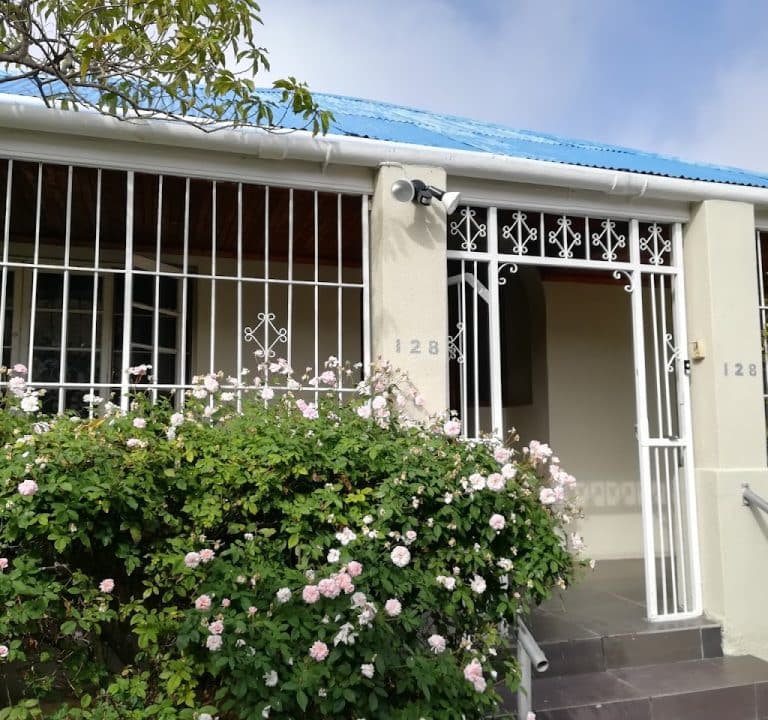
Booking comfort and convenience often hinge on a few practical features. Look for secure access or on-site parking, reliable wi‑fi, clear information on check-in procedures, and proximity to public transport or convenient routes for car hire. Self-catering options can range from well-equipped apartments and cottages to compact studio flats with garden access. Properties that provide thoughtful touches—such as white-linen bedding, ample storage, and clear guidance on local markets and transport—usually make for smoother stays. For longer visits, a residence with a dedicated living area and laundry facilities can feel more like a home away from home than a hotel room.
Transport in Cape Town is straightforward but varying by district. The city itself is walkable in compact areas, and many neighbourhoods are served by regular bus services, rideshare options, and airport transfers. If you plan day trips to the Cape Peninsula, Stellenbosch, or nearby wine routes, a car is convenient, though some visitors rely on guided tours. When staying close to the V&A Waterfront or City Centre, you’ll find plenty of pedestrian-friendly streets, with cafés and eateries within easy reach. If you intend to base yourself in a quieter neighbourhood, consider a stay with easy access to a main road or a short ride to a tram or bus hub.
Best time to visit Cape Town depends on what you want from your trip. Summer (December to February) brings warm days and coastal activities, but peak seas might require early bookings for popular beaches and eateries. Autumn (March to May) and spring (September to November) offer mild weather and blooming gardens, with quieter streets in some areas. Winter (June to August) brings cooler winds and occasional rain, yet many attractions remain open and the city’s markets and museums are welcoming. Regardless of season, it’s worth booking well in advance for sought-after city-centre stays and for properties with ocean or mountain views.
When planning your itinerary, consider a blend of must-see sights and quieter neighbourhoods where you can unwind after a day of exploring. Iconic experiences include taking a cable-car ride to the top of Table Mountain, exploring the V&A Waterfront with its shops and eateries, and visiting the Kirstenbosch National Botanical Garden for a walk among indigenous flora. The Cape Peninsula drive along Chapman’s Peak and some easy coastal trails offer spectacular photo opportunities, while nearby towns such as Simonstown and Hout Bay provide harbourside ambience and seafood dining options. For food lovers, Cape Town’s dining scene ranges from casual markets and bistros to refined restaurants and wine-paired menus in the Constantia valley. During your stay, you’ll also encounter markets, pop-up culture, and local crafts that give a sense of the city’s vibrant communities.
Practical tips to help you plan a smooth trip:
- Book accommodation with flexible cancellation and clear house rules, especially if your plans may change with weather or transport.
- Choose a neighbourhood based on your priorities—beach access, city proximity, or garden settings—and check walking distances to key sights.
- Check what’s included in your stay (wifi, kitchen supplies, household basics) and whether there is 24-hour assistance or on-site management.
- Consider a self-catering option for longer stays or family trips, and plan where you’ll source groceries and meals.
- Look for properties that offer convenient access to transport hubs, or that provide guidance on local routes and safety tips.
As a practical example of the accommodation landscape, you might explore self-catering options that balance privacy with home-like comforts in scenic locations. For inspiration, you can visit trusted listings such as Joyous Accommodation, which focuses on self-catering stays in the Cape Town area. Their website offers details on available properties and amenities to help tailor a stay to your needs: Joyous Accommodation.
With thoughtful planning, your Cape Town stay can combine comfortable accommodation, easy access to iconic sights, and the chance to discover local flavours and experiences. Whether you choose a stylish apartment near the Waterfront, a hillside villa with views of the Atlantic, or a quiet garden setting in Constantia, the city invites you to slow down, explore, and return with memories of its unique beauty.