Accommodation and Visitor Guide: Where to Stay and What to Do in Cape Town
Cape Town offers a rich tapestry of places to stay, from intimate B&Bs tucked behind colourful facades to contemporary hotels with sweeping views of the Atlantic. When planning a stay, think about what you want from your days: proximity to natural beauty, easy access to dining and culture, or a quieter garden retreat. The city is easy to navigate once you know which neighbourhoods suit your pace and interests.
Choose a base according to your itinerary. The City Bowl around the central business district provides easy access to museums, galleries and vibrant nightlife, with lots of guesthouses and boutique hotels that blend character with modern comforts. The V&A Waterfront offers harbour-side charm, with hotels and serviced apartments that appeal to travellers who value walkable access to attractions and a wide range of dining options. For glamour and coastline, areas such as Camps Bay and Clifton deliver high-end lodging with dramatic sea views and beach access. For wine enthusiasts and a quieter pace, Constantia and the nearby winelands provide lodges and boutique guesthouses surrounded by vineyards and gardens. If you’re keen on a culturally immersive stay, the Bo-Kaap and the Île de la Table regions provide historic charm and convenient access to city sights.
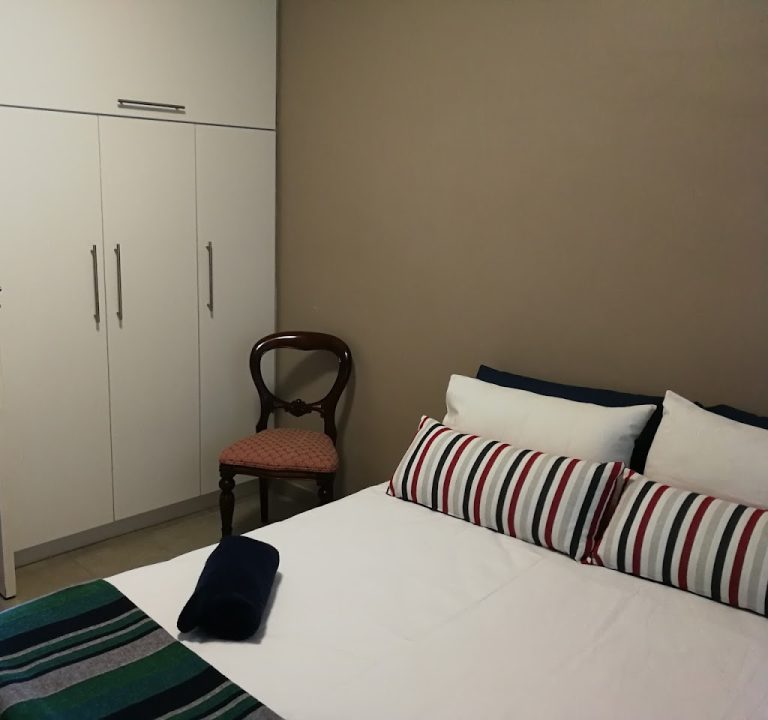
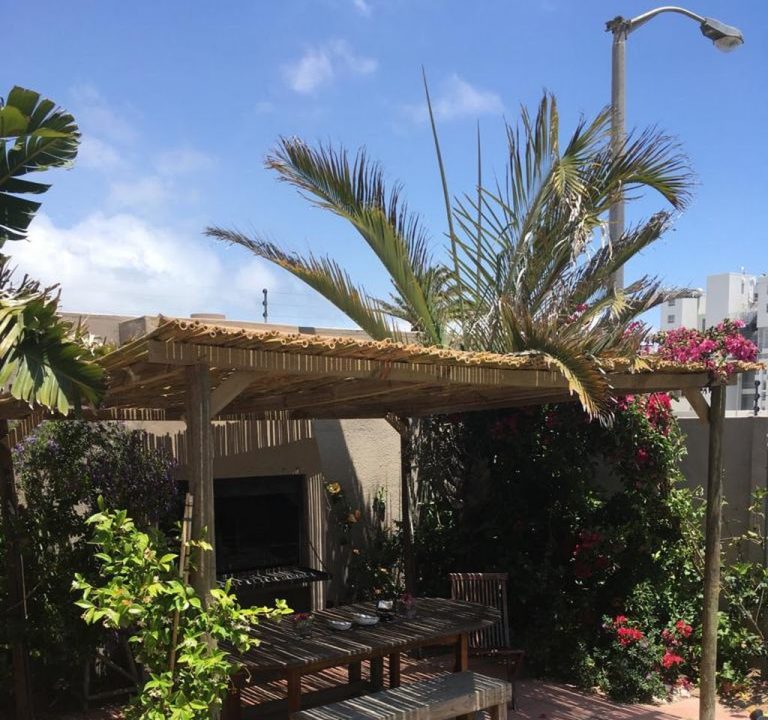
Typical amenities you can expect when booking include en-suite bathrooms, reliable Wi‑Fi, tea and coffee facilities, and thoughtful extras such as daily housekeeping, on-site parking, and 24‑hour reception. Many places offer breakfast options, with some providing light evening meals or access to a shared kitchen. If you rely on mobility or plan to explore beyond the city, look for properties offering parking or easy access to public transport. Some lodgings provide private terraces, swimming pools, or garden settings that make a stay particularly memorable for families or travellers seeking a serene base after a day of exploring Table Mountain, the beaches, or the city’s markets.
Transport in Cape Town is straightforward but varies by area. The MyCiTi bus network is a convenient option for many visitors, with routes linking central areas to popular beaches and attractions. Taxis and rideshares are widely available, and hiring a car offers the flexibility to explore beyond the immediate city core, including the scenic Atlantic seaboard and the Constantia wine route. If you plan to stay near the Waterfront or City Bowl, you’ll find most sights within walking distance or a short ride away. For wine country stays, consider a guided tour or private driver to fully enjoy the day without the hassle of navigation.
Best time to visit Cape Town depends on what you want from your trip. The shoulder seasons—spring and autumn—often offer milder weather, fewer crowds, and good light for photography. Summer brings long days, sparkling seas, and a lively atmosphere, but it can be busy around beaches and popular attractions. Winter, while cooler and occasionally rainy, is still a good time to discover the city’s museums, markets, and cosy eateries, often with more affordable accommodation options. If your plan includes hiking or outdoor activities, pack layers for changeable conditions and be prepared for strong coastal winds in certain areas.
When you book, consider the neighbourhood rhythm you want. If you value nightlife and café culture, a stay in the City Bowl or near the De Waterkant district can be ideal. For families and a resort-style experience with sea views, look to Camps Bay or suites along the Atlantic Seaboard. Wine lovers will enjoy a stay in Constantia or nearby Constantia Valley lodges, where you can combine a restful night with day trips to vineyards and stunning gardens. Those seeking authentic local experiences should look for guesthouses or boutique inns that organise guided walks, market visits, or cultural tours, which can enrich your stay without the need to plan every moment in advance.
Practical tips to help you plan and book well:
- Book well in advance for peak periods such as school holidays or major events, and confirm cancellation policies in writing.
- Check access to parking if you plan to hire a car; some properties include parking while others are limited to street spaces.
- Read guest reviews focusing on quiet hours, cleanliness, and the responsiveness of hosts or staff rather than solely on price.
- Ask about breakfast options, kitchen facilities, and in-room amenities to avoid surprises.
- Consider a mix of accommodation types across your stay—one central hub for convenience and one or two quieter nights in a vinelands or coastal setting for balance.
Aside from a comfortable stay, Cape Town invites visitors to enjoy experiences that fit most interests. You can wander markets for crafts and street food, take scenic walks along the seaside, explore historic colour-decorated neighbourhoods, or embark on guided hikes that reveal Table Mountain’s dramatic skyline. Dining ranges from casual eateries offering seafood and local flavours to refined restaurants that showcase the city’s multicultural influences. For planning resources, official tourism sites and local guides provide practical tips, maps, and suggested itineraries that align with your pace and interests.