Cape Town: Where to stay and what to do for a well-rounded visit
Cape Town offers a diverse mix of stays, from stylish boutique hotels and family-run guesthouses to modern apartments and scenic lodges. When planning a visit, begin by choosing a neighbourhood that aligns with your interests and pace. The Atlantic Seaboard, including Camps Bay and Clifton, is known for beaches and sunset views. The City Bowl, centred around the historic central district, provides easy access to museums, markets, and restaurants. Constantia Valley appeals to wine lovers seeking tranquil scenery and winery experiences, while the V&A Waterfront area is convenient for those who want a lively harbour atmosphere with shops and entertainment on the doorstep.
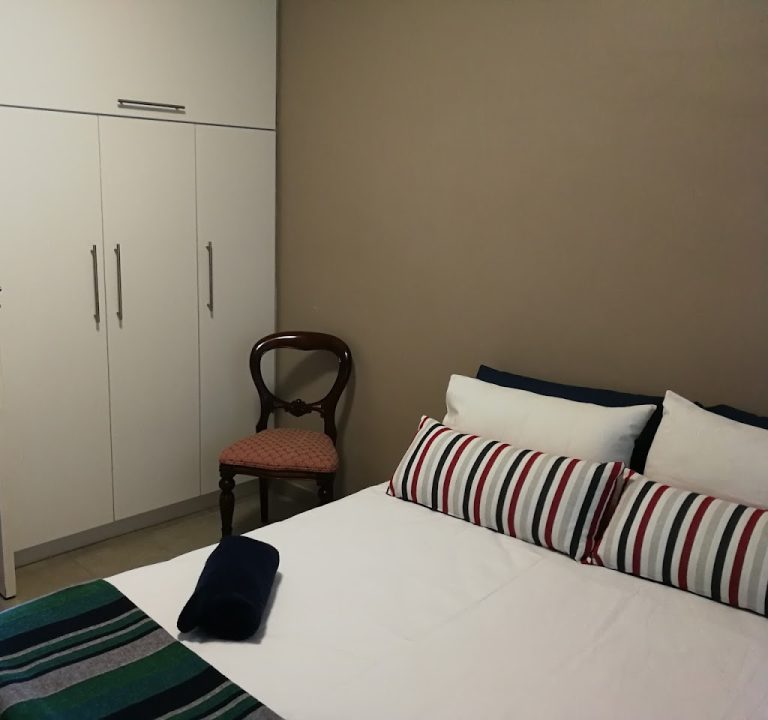
Oceans Apartment, a practical option to consider, sits in a location that can offer easy access to both beaches and urban attractions. When selecting accommodation, look for well-reviewed properties that provide straightforward access to public transport or parking, comfortable communal spaces, and reliable housekeeping. Travel time within Cape Town can vary with traffic, so a central base can save you energy for daily explorations, while a seaside or hillside location may maximise views and sunshine hours.
Typical amenities to look for include free Wi‑Fi, a well-equipped kitchen or kitchenette, on-site parking, air conditioning or good ventilation, and strong security provisions. Many visitors value a balcony or terrace for outdoor living, especially in the warmer months. If you prefer cooking some meals yourself, check for kitchen facilities and proximity to supermarkets or cafes. For those who expect a hotel experience, confirm whether daily housekeeping, 24-hour reception, and in-house dining options are available.
Transport options are a key planning element. The MyCiTi bus network and a compact urban railway system connect major areas, while car rental remains convenient for exploring beyond the city bowl or reaching coastal viewpoints. If you plan to visit the Cape Peninsula or neighbouring towns, a car offers flexibility, though guided tours can reduce driving stress. For airport transfers, many accommodation providers can arrange or suggest trusted options. Proximity to popular routes—such as the coastal road to Hout Bay or the scenic drive along the Atlantic coast—can influence both travel time and the vibe of your stay.
When to visit Cape Town is as much about your preferred climate as your planned activities. The city enjoys warm, dry summers from December to February, with opportunities to swim, surf, or simply enjoy long sunsets. Autumn (March to May) and spring (September to November) bring mild temperatures and quieter streets, making it a good time for hiking Table Mountain, visiting botanical gardens, or wine-tasting in nearby regions. Winters (June to August) are cooler and wetter, but the city’s coffee shops, museums, and indoor attractions maintain a lively pace. Always check local event calendars for festivals or markets that may colour your itinerary.
Accommodations in Cape Town span a wide price range and offer varying emphases on comfort, design, and authenticity. If you value sea views, seaside hotels and serviced apartments along the Atlantic Seaboard can deliver memorable vistas and easy beach access. For a more intimate stay, consider guesthouses or boutique hotels in the city’s back streets, where hosts often share insider tips on the best markets, viewpoints, and day trips. Family-friendly options typically include larger suites or multi-bedroom apartments and may provide kitchens, laundry facilities, and flexible dining arrangements.
To plan a balanced itinerary, mix iconic sights with local experiences. Iconic attractions are bound to be on the list of most visitors, but Cape Town’s appeal often lies in its neighbourhoods and the everyday moments. Start with a stroll through a historic district to admire architecture and street life, followed by a visit to a vantage point with panoramic views of the city and coastline. A day trip along the Peninsula to coastal towns provides rugged scenery, penguin colonies, and harbour towns that illustrate the region’s maritime heritage without relying on behind-the-scenes specifics. For food lovers, Cape Town’s dining scene ranges from casual eateries and markets to refined restaurants that showcase local flavours and produce. In general terms, you’ll find cuisine inspired by the sea, the mountains, and the fertile valleys nearby, with many establishments emphasising seasonal and sustainable ingredients.
- Book with an eye to location: proximity to public transport, beaches, or cultural hubs can save time and energy.
- Check for practical comforts: parking, security, laundry facilities, and flexible check-in/out options.
- Ask about local tips: hosts or concierges can often recommend hike trails, viewpoints, and markets that suit your pace.
- Plan ahead for popular periods: festive seasons and school holidays can be busy, so booking early helps secure preferred rooms and rates.
- Balance indoor and outdoor days: Cape Town’s climate supports a mix of coastal walks, city tours, and vineyard visits, depending on the season.
Restaurants in Cape Town range from casual coffee counters and seafood shacks to fine dining establishments that emphasise regional produce. Even if you do not have a fixed list, you can expect fresh seafood, braai-style grills, vibrant markets, and multicultural influences that reflect the city’s diverse communities. When exploring, allow yourself time to wander into neighbourhoods beyond the usual tourist routes; you may discover neighbourhood cafés, bakeries, and casual eateries that capture the city’s everyday flavour. For accurate information on specific venues, consult current guides or your accommodation’s recommendations, and remember to check opening hours and reservation policies in advance.