accommodation and experiences in Cape Town: where to stay, what to see and how to plan
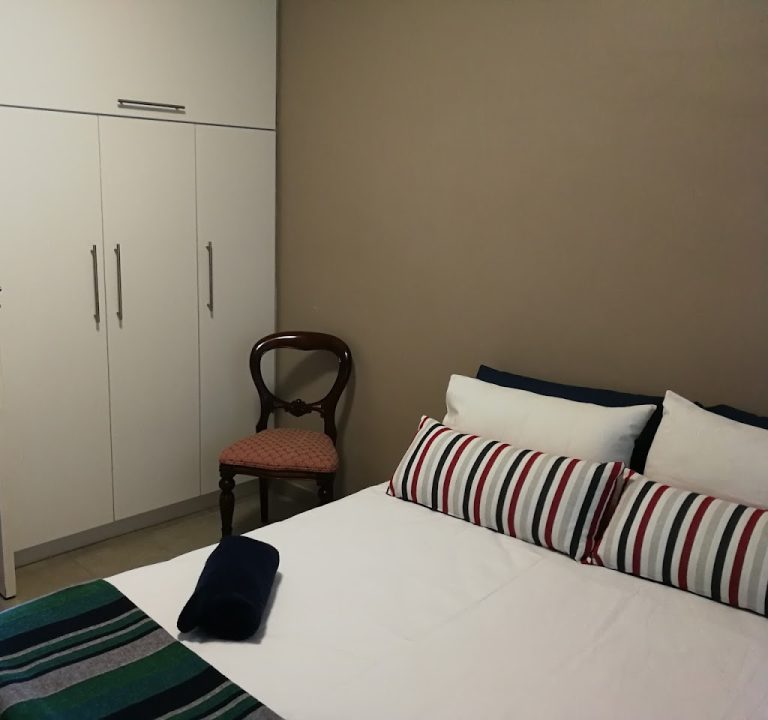
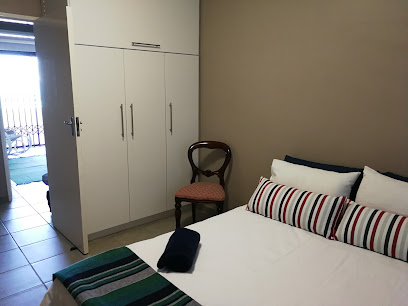
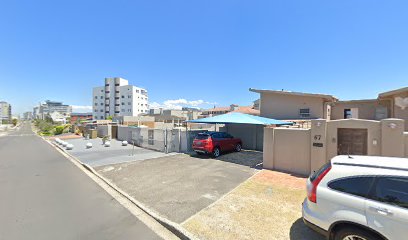
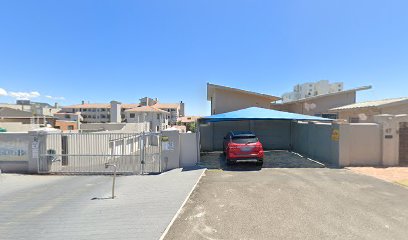
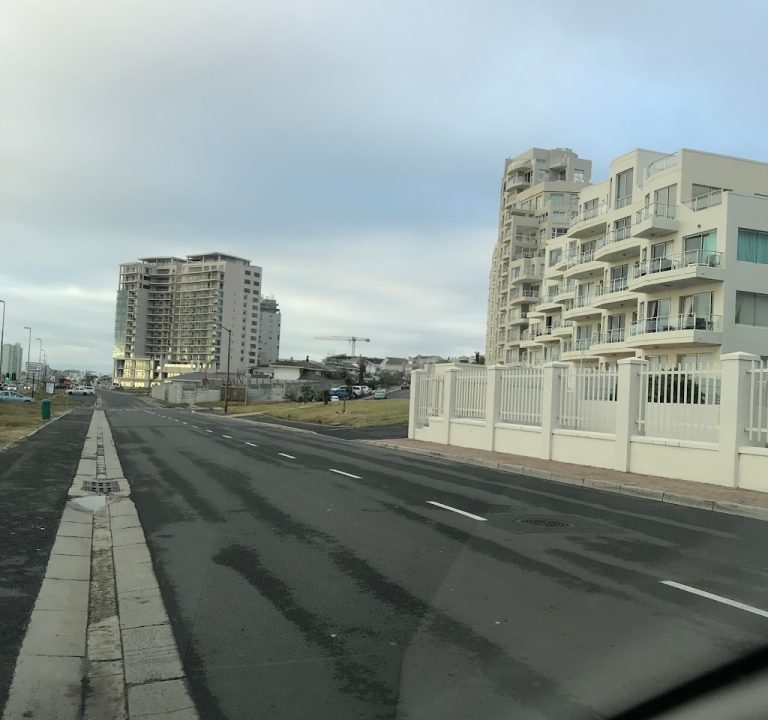
Cape Town blends dramatic scenery with cosmopolitan charm, making it a destination where choosing the right base can shape your whole stay. From sun-soaked beachfront apartments to tucked-away guesthouses in leafy neighbourhoods, the city offers options to suit varied budgets and travel styles. Self-catering stays such as 27 Malata Beachfront Self-Catering provide the flexibility to wake beside the Atlantic Ocean, cook favourite meals and come and go with the rhythm of the city. When planning an itinerary, think about convenience, security and what you want to read into your days: mountain vistas in the morning, beach strolls in the afternoon, and city dining by night.
Where to stay matters as much as what you do. The city centre and the historic areas around the Company Gardens are excellent for travellers who want quick access to sights, a lively dining scene and easy public transport. The Atlantic Seaboard offers dramatic coastal scenery with a string of beaches, fashionable eateries and stylish hotels in areas such as Camps Bay, Clifton and Green Point. Constantia and Tokai provide a calmer, countryside feel with wine estates and sweeping views, ideal for visitors seeking longer, relaxed stays. For a neighbourhood with colour and culture, the Bo-Kaap offers characterful guesthouses set among pastel houses and narrow lanes. Consider your preferred pace, proximity to lifts to attractions or easy routes to beaches, and how much time you plan to spend in the city versus exploring the surrounding Cape Peninsula.
- City Centre and De Waterkant (easy access to museums, theatre and markets)
- Atlantic Seaboard (beach access, scenic drives, sunset views)
- Constantia and the Constantia Valley (vineyards, nature trails)
- Table Mountain National Park gateway towns (short drives to hiking and viewpoints)
- Bo-Kaap and the city’s historic precincts (culture and architecture)
Booking thoughtfully means looking beyond price. Consider what you want from a stay: self-catering for flexibility, a boutique guesthouse for personalised service, or a full-service hotel for conveniences like breakfast and a 24-hour reception. When you book, check for essential amenities: reliable Wi‑Fi, a well-equipped kitchen if you’re in a self-catering property, secure on-site parking, air conditioning or heating for the coastal climate, and clear information about access and security. In some areas, balconies, sea views and outdoor spaces can be major selling points. If you’re travelling with family, pet-friendly policies, baby equipment availability or easy access to beaches can influence your choice.
Transport is a practical consideration in Cape Town. The MyCiTi bus network offers city routes and connection to major hubs, while Uber and other ride-hailing services are commonly used for evening outings. If you plan day trips along the Cape Peninsula or to the Cape Winelands, a rental car provides maximum flexibility, though driving requires caution for mountain roads and busy city streets. Many accommodation options near the V&A Waterfront or Green Point are close to tram or bus links, making it easier to explore without a car. For beach stays, check access to safe paths and pedestrian routes, particularly in the evenings when lighting can vary.
Best time to visit Cape Town blends weather, crowds and prices. Spring (September to November) and autumn (March to May) offer mild temperatures, blooming landscapes and fewer tourists than peak summer. Winter (June to August) brings cooler, windier days and occasional rain, but still presents opportunities to enjoy museums, markets and culinary scenes with lower room rates. Summer (December to February) is peak season, when beaches are lively and itineraries fill quickly; plan in advance and be flexible with timing for popular sights such as the Cableway or coastal drives.
Practical tips help you make the most of your stay. Pack layered clothing to cope with Cape Town’s changing microclimate, especially if you intend to hike or travel along the coast. Bring a light rain jacket for the Table Mountain area and comfortable walking shoes for uneven streets in historic districts. Always have a plan for safe evening transport, especially if you are dining away from your base. Reserve at least one comfortable rest day to enjoy a slower pace at a wine estate, a seaside promenade or a market full of crafts and local foods. If you are staying in a self-catering property, stock up on essentials before heading out for day trips to avoid last-minute dense shopping in tourist hotspots.
While planning sightseeing, consider a mix of iconic highlights and authentic, local experiences. Iconic attractions sit within striking natural settings and are often best experienced in the early morning or late afternoon light. In addition to natural landmarks, Cape Town’s culture and culinary scenes offer diverse experiences without needing to commit to long itineraries. Across different neighbourhoods you may discover markets, street-food stalls, and family-run cafés where conversations with residents reveal another layer of the city. Always check official guidance for any accessibility considerations or seasonal closures, and vet current transport options for sustainability and safety.
In summary, Cape Town rewards travellers who pick a base that fits their pace and interests, plan around the weather and transport, and mix must-see sights with relaxed days by the coast or in garden-rich suburbs. Whether you choose a self-catering harbourfront apartment, a boutique bed-and-breakfast in a historic precinct, or a modern hotel with city and sea views, a well-planned stay will help you uncover the best of the Western Cape’s celebrated landscape, vibrant dining rooms and welcoming hospitality.