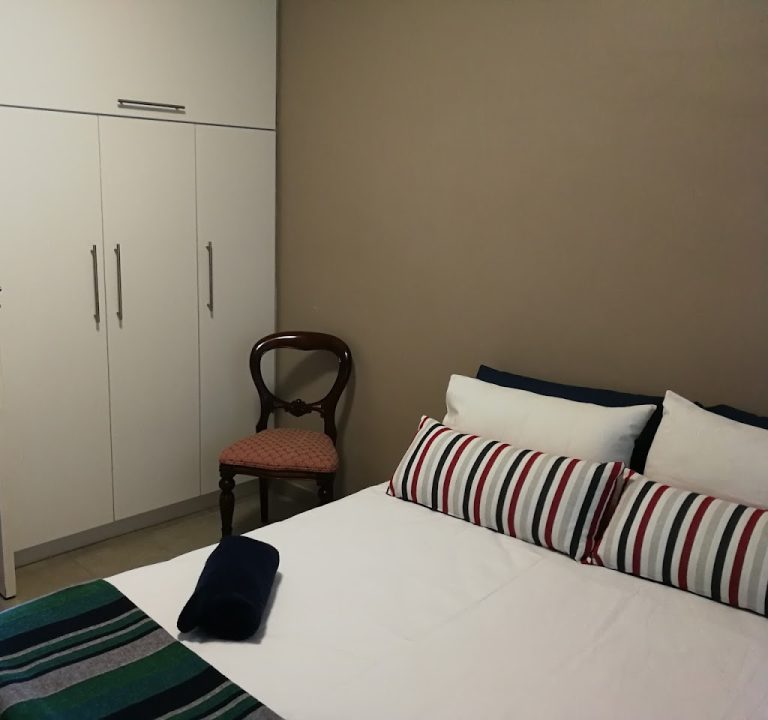
Seashells: A Stay in Cape Town and the Best Ways to Plan Your Visit
Situated in one of the world’s most dramatic urban landscapes, Cape Town offers a wealth of accommodation options, from stylish city centre stays to coastal retreats with sweeping ocean views. Seashells, a hotel in this vibrant city, provides a comfortable base from which to explore the region’s diverse neighbourhoods, iconic sights, and local culture. When planning a stay, think about what will most enhance your experience: proximity to the main sights, easy access to transport, and the kind of atmosphere you enjoy most, whether you prefer cosmopolitan energy, harbour views, or a quieter hillside setting.
Areas to consider for your visit include the City Bowl and the central business district, which place you within easy reach of museums, galleries, and a thriving dining scene. The Atlantic Seaboard zones, such as Camps Bay and Clifton, offer glamorous beaches and sunset scenery, while the V&A Waterfront combines maritime charm with a broad selection of eateries and shops. Constantia, perched in the foothills of the Table Mountain range, provides a calmer, wine-focused escape with access to historic estates. If you’re after an artsy, student-friendly vibe, Observatory is known for its cultural character and affordable stays. Each area has its own rhythm, so match your choice to how you plan to spend your days.
When you book, consider typical amenities that matter for a comfortable stay. Reliable Wi‑Fi, secure parking or easy access to transport, on-site dining or nearby options, and clear arrival instructions are especially helpful. Many hotels and guesthouses in Cape Town offer complimentary breakfast, self-catering facilities, and thoughtful extras such as fitness spaces or outdoor terraces with harbour or mountain views. For a Seashells-style stay, you might look for rooms with en-suite bathrooms, a well-equipped kitchenette, and generous storage for longer visits. If you’re arriving with family or a group, seek properties that offer flexible suites or interconnecting rooms, and check whether there are quiet hours and child-friendly facilities if those matter to you.
Transport in Cape Town is straightforward but a little situational depending on where you base yourself. The MyCiTi bus network covers many parts of the city and neighbouring suburbs, while Uber and other ride-hailing services provide convenient door-to-door options. If you’re renting a car, remember that some coastal and mountain roads can be steep and winding, with limited parking in older parts of the city. For day trips, such as a visit to the Cape Peninsula, a guided tour or a well-planned self-drive itinerary is popular. If you prefer not to drive, many accommodation providers can arrange transfers or suggest trusted local operators for scenic routes to the Cape Point area or to nearby wineries in Constantia.
The best time to visit Cape Town varies with what you seek. Southern Hemisphere seasons mean dry, sunny summers ideal for outdoor activities, beaches, and hiking the scenic trails around Table Mountain. Winter brings cooler, wetter days but still plenty of cultural events, fewer crowds at certain sites, and the chance to enjoy lush green landscapes. Shoulder seasons can offer a balance of milder weather and fewer queues. Pack versatile clothing, including layers for cool mornings and evenings, sun protection for outdoor adventures, and comfortable footwear for walking and exploring markets and historic streets.
Must-see experiences in and around the city span natural beauty and cultural discovery. You can take a cable car to the top of Table Mountain for panoramic city views, explore the Kirstenbosch National Botanical Garden, and walk along the beaches that line the Atlantic Seaboard. The Cape Peninsula route offers dramatic coastal scenery, with stops at viewpoints and wildlife-rich reserves. In town, you’ll find a breadth of dining styles—from casual market stalls and bistro-style eateries to fine dining—often with an emphasis on fresh seafood, grilled specialties, and contemporary South African cuisine. For a relaxed day, consider the Waterfront area, where you can wander the harbour promenades, browse artisanal galleries, and enjoy waterfront dining with harbour views.
Practical tips for a smooth stay include booking accommodation well in advance during peak seasons, confirming cancellation policies, and understanding whether a property has the facilities you need for your itinerary. When researching Seashells or similar stays, read recent guest reviews to gauge consistency in service and cleanliness, and look for details about breakfast offerings, housekeeping schedules, and access to nearby attractions. Plan at least one day for either a scenic coastal drive or a mountain excursion, followed by evenings in convivial dining districts or lively markets. Useful website resources include official tourism pages and travel guides that offer up-to-date event calendars and seasonal recommendations.
- Suggested planning steps: identify your preferred area, list must-see sights, check transport options, and book flexible accommodation if your plans may shift.
- Practical packing tips: layers for variable weather, a light waterproof jacket, good walking shoes, and a compact backpack for day trips.
- Tips for dining and exploring: allocate evenings for longer meals in diverse dining districts and pace your days to balance outdoor activity with rest.
For more ideas and practical planning, you can visit reputable tourism resources online, such as official visitor information sites and trusted travel guides. Cape Town’s blend of natural grandeur, vibrant city life, and memorable dining makes it a destination where a well-chosen base can unlock a superb range of experiences from sea to shadow of mountain.