Where to stay and what to do in Cape Town: accommodation, attractions and practical tips
Cape Town is a city of contrasts, where soaring mountains meet pristine beaches and a vibrant restaurant culture sits alongside historic neighbourhoods. With a wide range of places to sleep—from boutique B&Bs and guesthouses to stylish hotels and family-friendly lodges—planning a comfortable stay is as important as plotting the sights you wish to see. Whether you want sea views, easy access to city sights, or a quiet vineyard retreat nearby, there is something to suit every traveller and budget.
Choosing the right area makes a big difference to your experience. The City Bowl and the Central Business District put you within easy reach of museums, markets and nightlife, while the V&A Waterfront offers harbour-front dining and steps from excursions to Robben Island or the Cape Peninsula. The Atlantic Seaboard, including Camps Bay and Bantry Bay, is famed for sunsets, modern boutiques and palm-lined beaches. For a more rustic escape, Constantia and surrounding wine farms provide leafy lanes, cellar doors and fine dining within easy reach of the city. If you’re keen on a laid-back beach vibe with long sandy stretches, the Bloubergstrand/Kite Beach area is popular among water sport enthusiasts and those wanting swift routes to the western suburbs.
When you book, look for two or three key features to ensure a comfortable stay. First, check for reliable wi‑fi and a well-equipped kitchen or breakfast service if you plan to cook or self-c cater. Second, consider transport options: proximity to MyCiTy public transport routes, access to parking if you’re driving, or a guesthouse with a friendly shuttle arrangement. Third, confirm the basics—air conditioning or heating, hot water reliability, and security measures. Finally, ask about flexible cancellation policies during peak seasons, which can help if travel plans change.
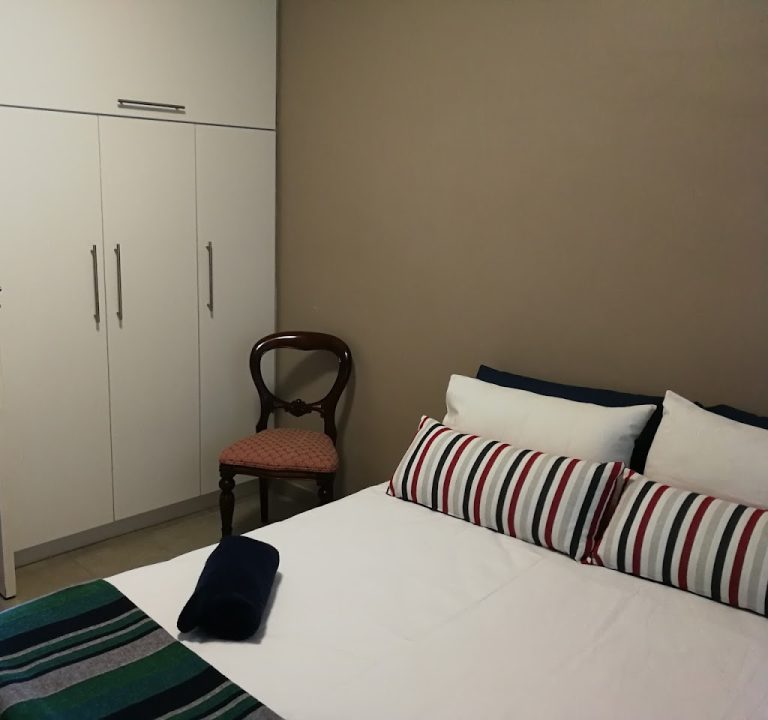
Accommodation in Cape Town ranges from intimate boutique BnBs to full-service luxury hotels and family-run guesthouses. Many properties feature en-suite bathrooms, comfortable living spaces, and outdoor terraces or balconies. A growing number of lodges and guesthouses offer curated experiences such as hillside walks, private tasting tours, or guided coastal hikes. For families, self‑catering apartments and smaller apartment hotels provide room to spread out, with easy kitchen facilities and convenient access to beaches and attractions.
Best time to visit Cape Town depends on your priorities. The summer months (December to February) bring warm days and vibrant outdoor life, but can be busy. Late autumn (March to May) offers pleasant weather and fewer crowds, while spring (September to November) showcases wildflowers on the Cape Peninsula and pleasant temperatures. Winter (June to August) is milder than many European destinations, though ocean swims are less common; it is a good period for indoor experiences, museums, and dining. If you’re chasing specific events or seasonal scenery, align your dates with the regional calendar and local recommendations from your accommodation provider or visitor information sites.
When planning your itinerary, balance iconic sights with time to wander neighbourhood streets, markets, and coastal paths. The city’s natural setting makes outdoor exploration an easy part of any stay. Iconic viewpoints and access to Cape Town’s beaches are readily reached by car or with organised tours. For a relaxed day, consider a coastal drive along the Atlantic Seaboard, stopping for a beach stroll, coffee or a casual lunch with sea views. For a more cultural experience, stroll through historic districts, sample street food, and visit galleries and craft markets that showcase local craftsmanship.
Practical tips to help you make the most of your stay:
- Book accommodation with easy access to reliable transport links or parking, especially if you plan day trips beyond the city core.
- Pack a light layer for the coastal winds and varied microclimates; even in summer, evenings can be cooler.
- Bring sun protection and a refillable water bottle when exploring outdoor areas and beaches.
- Plan for some days with a flexible pace—the best experiences often come from spontaneous discoveries in markets or along shoreline paths.
- Check if your host or hotel offers guidance on safety, child-friendly facilities, and local etiquette to help you settle in quickly.
Beyond the hotel doors, Cape Town’s dining scene ranges from casual bistros and family-run eateries to stylish fine-dining venues. Most areas offer a mix of seafood, grilled meats and vegetarian options, with many restaurants highlighting the city’s multicultural influences. For those seeking memorable experiences, look for establishments that source seasonal ingredients, support local farmers, and provide relaxed atmospheres suitable for lingering over a meal.
As you plan your stay, you may want to combine a few days in the city with day trips to the Cape Peninsula, coastal towns, or nearby wine regions. From a base near Kite Beach for a beach-and-water-sports-focused visit to a comfortable city centre pad for museum-going and shopping, Cape Town’s accommodation options make it feasible to tailor your trip to your interests. For more ideas and local inspiration, consider visiting official tourism sites or contacting your chosen property’s concierge, who can tailor a personalised itinerary to match your pace and preferences.