Durban: Accommodation, Attractions and Planning a Stay in KwaZulu-Natal
Durban, on the east coast of South Africa, offers a rich mix of coastal scenery, cultural experiences and a relaxed South African welcome. When planning a stay, consider the city’s distinct neighbourhoods, each with its own character. Coupled with a warm subtropical climate, Durban is a destination where beach days, markets and family-friendly activities can be layered with culture and good South African hospitality.
Areas to consider for accommodation range from bustling beachfront districts to leafy inland neighbourhoods. The beachfront and Golden Mile area are popular for easy access to the sea, long walks, and sea-front eateries. Points near the city centre often provide quick access to markets, museums and cultural venues, while the northern suburbs and coastal towns such as Umhlanga offer a quieter, more resort-like atmosphere with stylish guesthouses and modern hotels. If you prefer a more residential vibe, inland suburbs can be convenient for longer stays, with a variety of guesthouses and self‑catering options surrounded by shops and cafés.
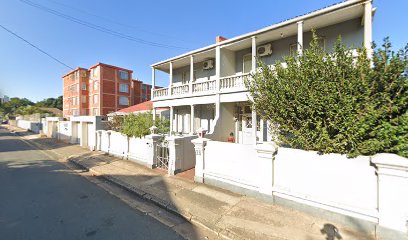
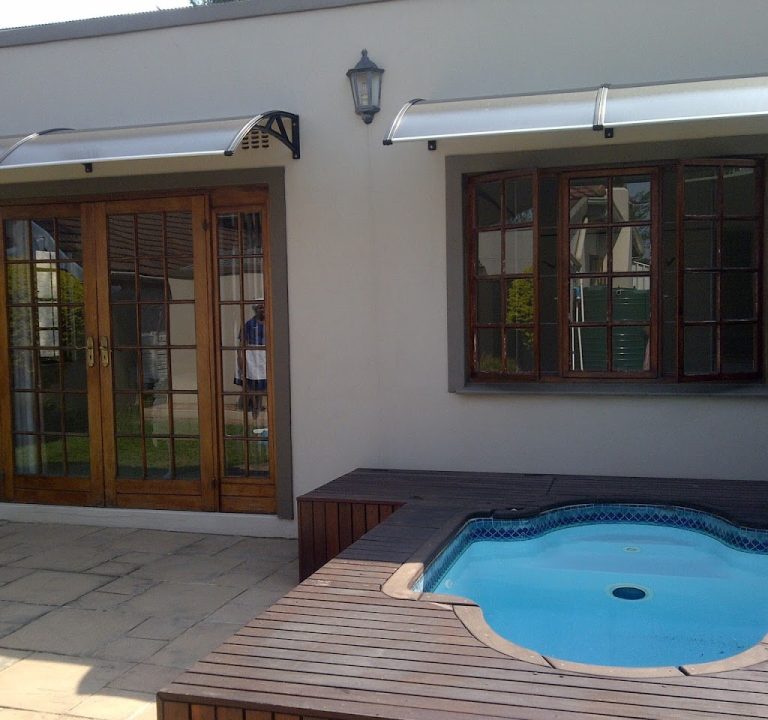
Accommodation types in Durban span guesthouses, boutique hotels, mid‑range hotels, and self‑catering apartments. A guesthouse such as Somerset-style properties typically emphasise a personalised service, with hosts who can share local tips and arrange transport or day trips. Common amenities to look for include en-suite bathrooms, air conditioning or ceiling fans, complimentary Wi‑Fi, on-site parking, and a breakfast option. Many properties also offer swimming pools, communal lounges, and garden spaces where guests can unwind after a day of exploring the city.
Booking considerations include proximity to the attractions you plan to visit, access to reliable transport, and the flexibility of check‑in times. Durban’s climate means carrying a light layer for evenings is wise, even in the warmest months. Consider whether you want a self‑catering option for added independence or a guesthouse with breakfast and daily housekeeping. If you are travelling with family, check for family rooms or suites and whether the property can accommodate extra beds or cots. For longer stays, playgrounds, laundry facilities and well-equipped kitchens can be a real bonus.
Transport in Durban is diverse. Many central and beachfront properties are within comfortable walking distance of markets, cafés and beaches, but a car remains convenient for exploring suburbs such as the Valley of a Thousand Hills beyond the city, or for day trips to the Dolphin Coast. Public transport options include buses and rail services, though they may be less frequent outside peak hours. Ride-hailing apps are widely used and can provide a convenient way to move between neighbourhoods, beaches and dining spots. If you plan to venture further afield, ask your accommodation about parking facilities and safe storage for bicycles or surf gear, as Durban is a popular destination for watersports and outdoor activities.
Best time to visit Durban depends on what you want from your trip. The city enjoys warm, humid summers with excellent sea conditions for swimming and surfing, but there can be heavy rainfall during the summer months. The cooler, dry spell in winter is pleasant for exploring the city’s museums, markets and hillside areas, while spring and autumn offer milder weather and fewer crowds. For those seeking vibrant beach life and outdoor events, the summer season is especially appealing, but be prepared for occasional showers and high humidity. Off-season stays can be excellent value while still offering sun-filled days and comfortable sea temperatures.
What to see and do, in general terms, includes pristine beaches and the bustling promenade, markets where you can browse crafts and local food, and cultural venues that showcase Zulu heritage and contemporary art. Nature lovers may enjoy hill country viewpoints and scenic drives that reveal the surrounding landscapes. Families often gravitate to water‑based activities and safe, supervised beaches, while foodies will discover a range of eateries—from casual cafés to modern restaurants—serving flavours influenced by Indian, African and international cuisines. When planning outings, consider combining a beach day with a visit to a nearby park or reserve, or pairing a cultural afternoon with a coastal sunset stroll.
Practical planning tips for a smooth stay:
- Check the property’s location relative to planned activities to minimise long transfers.
- Review what’s included, such as breakfast, parking, Wi‑Fi, and 24‑hour reception or front desk assistance.
- Ask about transport arrangements or recommendations for day trips, especially if you do not have a car.
- Pack for varied weather and a range of activities—from beachwear to comfortable walking shoes and a lightweight jacket for cooler evenings.
- Consider travel times around public holidays or major events that may affect traffic and availability of accommodation.
- Look for guesthouse hosts or staff who can provide personalised local recommendations, maps, and trusted tips for safe, enjoyable experiences.
- Ensure you have access to a reliable map or digital guide of the city and its neighbourhoods, and bookmark official tourism sites for up-to-date information on events and attractions.
Durban’s culinary scene is varied and welcoming, with eateries that celebrate coastal produce and multicultural influences. Rather than focusing on individual restaurants here, plan to explore a mix of casual cafés, beachside eateries and established dining rooms where you can sample local flavours in a relaxed, family-friendly setting. For a broader sense of what the city has to offer, visit Durban’s official tourism pages to discover suggested itineraries, event calendars and practical visitor information. A well-planned stay that blends comfortable accommodation, easy transport, and a few well-chosen day trips will help you experience Durban at its most inviting and convenient.