Durban: Where to stay and how to enjoy KwaZulu-Natal’s coastal city
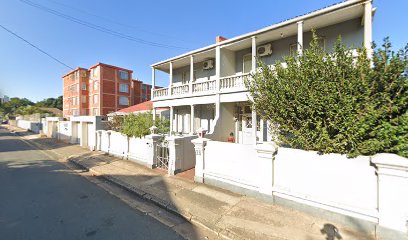
Durban, a vibrant port city on KwaZulu-Natal’s east coast, offers a warm climate, golden beaches and a compelling mix of Indian Ocean relaxation and urban culture. When planning a stay, consider the neighbourhoods that best suit your rhythm. The Umhlanga area sits along a pristine stretch of coast with modern hotels and family‑friendly facilities, while the Berea and Morningside districts near the city centre provide easy access to shops, markets and a lively restaurant scene. For a quieter pace, Durban North and the northern suburbs offer beachfront stays and residential calm just a short drive from the city’s sights. If you’re keen to be in the heart of the action, the Golden Mile promenade and the harbour front give a lively base with plenty of options for day trips and evening strolls.
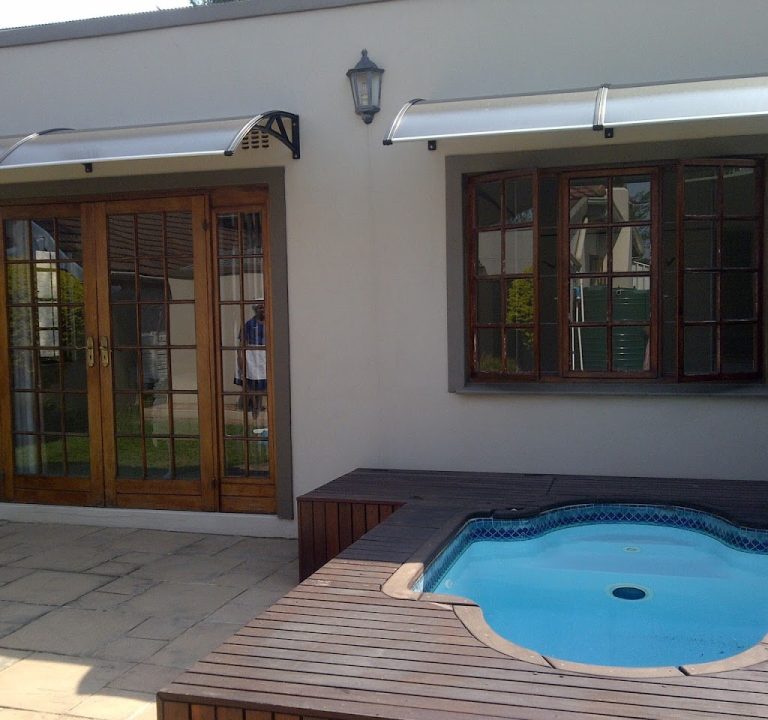
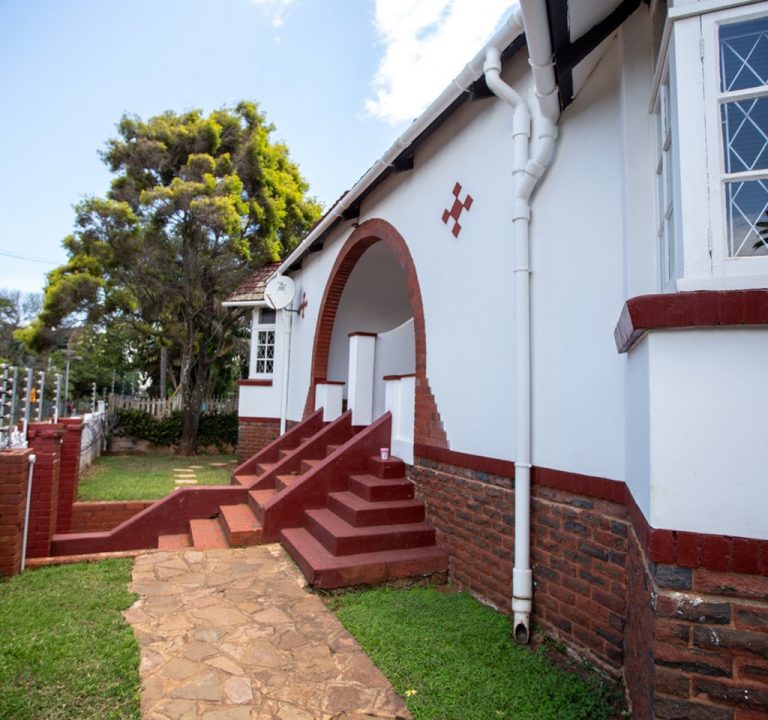
Booking a guest house, boutique hotel or self‑catering apartment in Durban often means choosing three practical factors: location, amenities and transport access. Look for en suite bathrooms, reliable Wi‑Fi, air conditioning or ceiling fans (the coastal climate can be warm), secure parking, and a hearty breakfast if you value a solid start to the day. Many properties also offer pleasant communal areas, outdoor spaces and easy beach access, which can be a real boon for families or groups. If you’re travelling for work or longer stays, a workspace or quiet lounge can make a noticeable difference to comfort levels.
Transport is convenient but varies by area. If you’re staying near the beachfront or the central business areas, you’ll typically find taxis or ride‑hail services readily available; many guests appreciate properties that can arrange a shuttle or have on‑site parking. For exploring beyond the immediate neighbourhood, a hire car provides flexibility, while reputable tour operators can arrange day trips to nearby nature reserves, cultural experiences and coastal excursions. The city’s MyCiTi bus network offers coverage to major hubs, so check whether your accommodation is within a convenient stop zone if you plan to rely on public transport.
Durban’s climate lends itself to outdoor days for most of the year, but the best time to visit usually balances warm sea conditions with manageable humidity. The summer months (roughly November to February) are popular for beach time and water‑based activities, while autumn and spring bring mild temperatures and less crowded sights. Winter (June to August) sees cooler breezes along the coast but still pleasant days for exploring markets, historic sites and inland scenery. Pack sun protection, a light layer for coastal breezes, and comfortable walking shoes for city strolls and nature trails.
When choosing activities, balance urban discovery with coastal leisure. You can enjoy long walks along the promenade, try a seaside swim at lifeguarded beaches where safe, and explore the harbour precinct where markets and eateries cluster. For nature lovers, nearby nature reserves and subtropical landscapes offer scenic hikes and birdwatching without a far‑flung journey. Cultural experiences—such as guided neighbourhood walks or markets—provide insight into Durban’s diverse history and contemporary life. Dining ranges from casual beachfront eateries to more refined venues offering fusion flavours; many restaurants emphasise fresh seafood and locally grown produce. If you’re seeking family‑friendly options, look for places with play areas or interactive experiences that suit children, alongside more relaxed dining and snack options for adults.
Ticketing and budgeting tips: mid‑range hotels and guest houses in Durban often provide value through breakfast included, free parking and responsive front desk service. Consider properties with flexible cancellation policies, particularly in peak travel seasons. For longer visits, an apartment or guest house with a kitchen can offer substantial savings and the convenience of home‑comfort facilities. Always check recent guest reviews for updates on cleanliness, staff helpfulness and the accuracy of listings. For inspiration on itineraries and practical planning, consult official tourism resources which outline routes, recommended day trips and current events around the city and region.
Sample planning ideas for a balanced stay might include: a beach morning, a walk along the promenade, a visit to a neighbourhood market or cultural centre, an afternoon in a coastal reserve or botanical garden, and an evening meal at a restaurant with views of the harbour or city skyline. If you’d like a taste of local life, consider a guided walk or a short tour that focuses on Durban’s maritime heritage, Indian‑South African influences, or the city’s colonial history, complemented by modern art galleries or craft studios.
- Look for accommodations with reliable Wi‑Fi, air conditioning, and on‑site parking or clear parking options nearby.
- Consider proximity to beaches, markets, and transport hubs to minimise daily travel time.
- Check sunrise and sunset times if you want to align activities with golden‑hour photography or outdoor dining.
- Review cancellation policies and whether breakfast, housekeeping, or self‑catering options are included.
- Plan a mix of relaxation days and day trips to coastal and inland attractions to avoid fatigue.
For more ideas and practical planning, you can explore official Durban tourism resources and visitor information online, which offer practical details about sights, routes and seasonal events. Websites of regional tourism bodies and city guides are helpful companions when shaping a balanced stay in Durban and the wider KwaZulu‑Natal coast.