Durban: accommodation planning, areas to consider and enjoying the city
Durban, on KwaZulu-Natal’s coast, offers a warm subtropical climate, sandy beaches and a relaxed, cosmopolitan energy. When planning a stay, choosing the right area and type of accommodation can shape your trip just as much as the activities you enjoy. From stylish city-centre hotels to quiet coastal lodges and friendly guesthouses, Durban has options to suit a range of tastes and budgets.
Areas to consider include the beachfront precincts along the Golden Mile, where promenade strolls, coffee stops and sea views characterise the stay. The northern suburbs, including popular coastal towns, tend to offer a mix of modern apartments, guesthouses and boutique hotels with easy beach access. For a more residential, leafy atmosphere, consider central Durban or the slopes above the city, where lodges and B&Bs can provide a calmer base with quick routes into the city centre and the harbour. If you’re planning day trips to the hills and countryside, access from inland routes can be equally convenient. When choosing an area, balance proximity to the activities you want with quieter corners for rest after a day’s exploration.
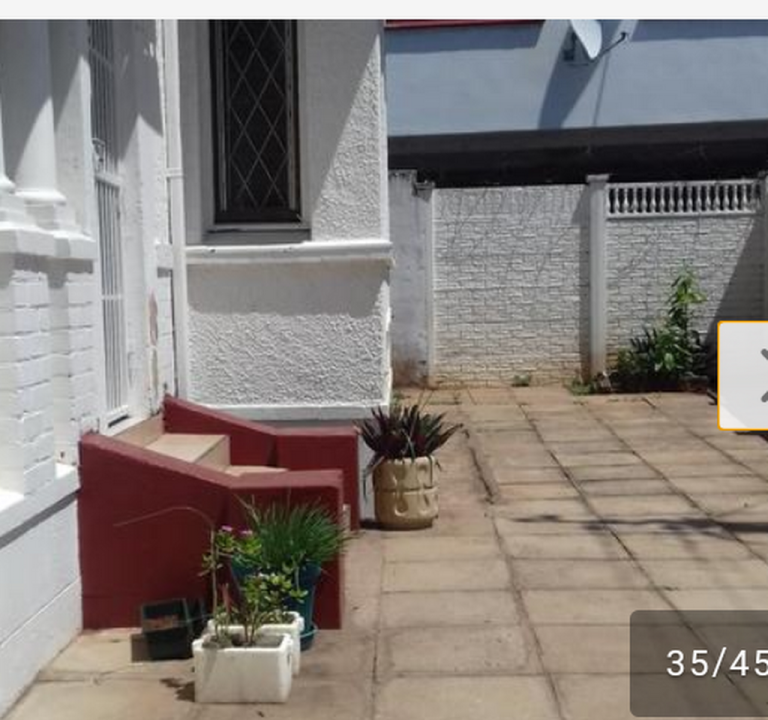
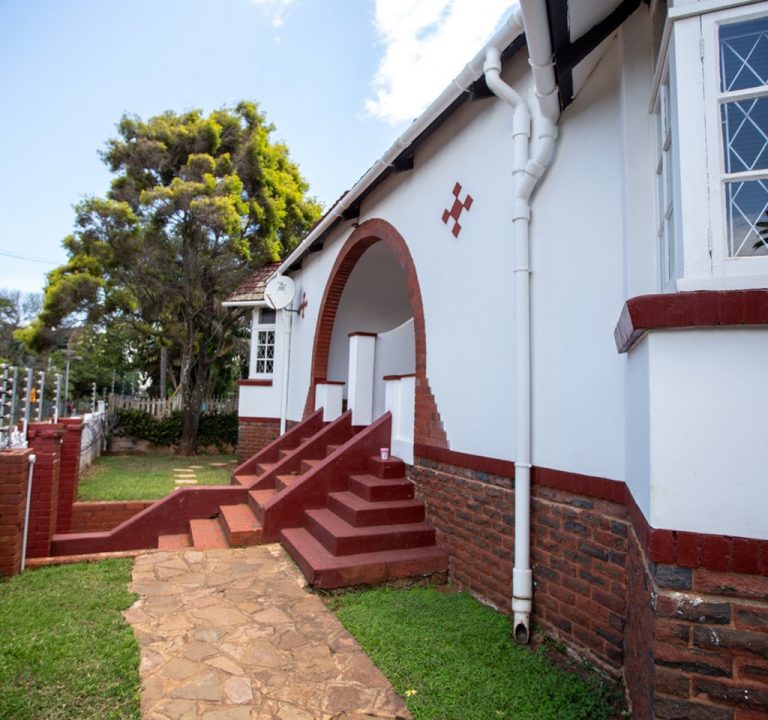
What to look for when booking is as important as the setting. Check the host or operator’s reviews for consistency, noting how well previous guests felt the space matched its description. Look for clear photos that show the room layout, practical features (such as reliable air conditioning, good lighting and adequate storage) and the condition of shared areas if you’re staying in a guesthouse or lodge. Consider the level of service you prefer, whether you want a self-catering option, or a property that offers breakfast or other meals. Many travellers value flexible check-in arrangements, secure parking, and information on nearby eateries, shops and transport links.
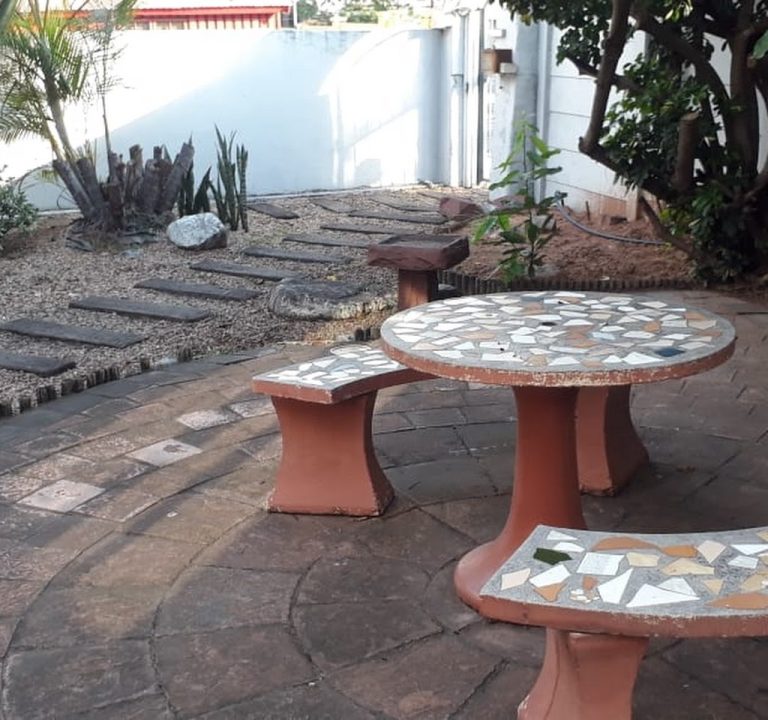
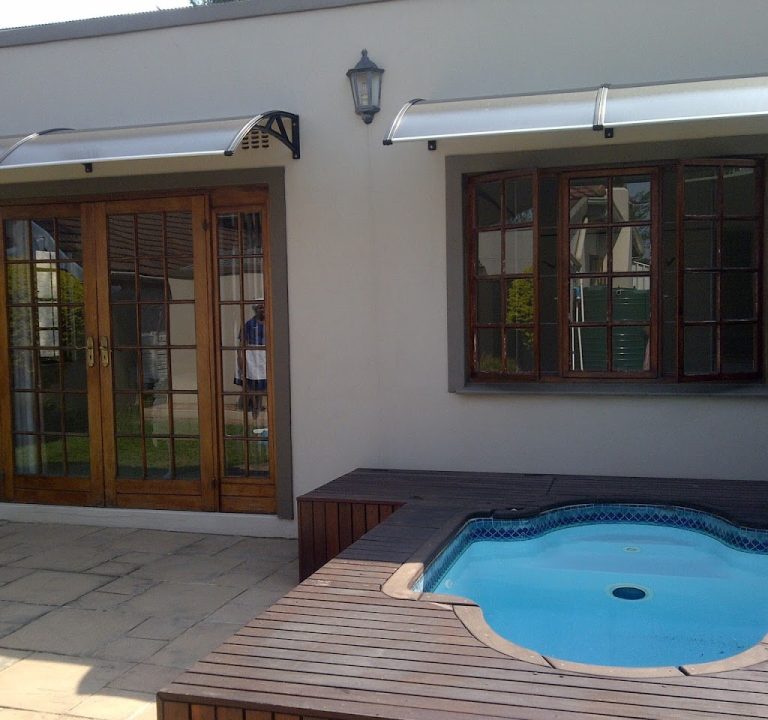
Typical amenities in Durban accommodation span a broad spectrum. You might find modern ensuite rooms with air conditioning, reliable Wi‑Fi, private balconies or terraces with sea or garden views, and well-equipped kitchens in self-catering units. Property managers and hosts increasingly emphasise cleanliness and privacy, with en suite bathrooms, fresh bedding and guest controls for heat and ventilation. On-site facilities such as pools, lapa or braai spaces, and outdoor seating areas are common in lodges and guesthouses, especially in family-friendly or retreat-style settings. For business travellers, quiet workspaces or reliable connectivity can be a deciding factor, alongside convenient distances to business hubs and transport links. Check whether airport transfers or local shuttle options are available if you won’t hire a car.
Transport in Durban is straightforward but varies by neighbourhood. If you’re staying near the beachfront or in central Durban, you can rely on taxis or ride-hailing apps for short trips or evenings out. A car offers the greatest flexibility for day trips to scenic drives or inland attractions, particularly if you wish to explore the valleys and viewpoints outside the city. Public transport exists but can be less convenient for visitors unfamiliar with the routes. When planning your itinerary, consider a mix of guided tours and independent exploration to balance time and ease of travel.
The best time to visit Durban is guided by weather and crowds. The coastline stays warm for much of the year, but the peak travel months typically bring more activity and higher accommodation demand. If you want breezier days and fewer crowds, shoulder seasons can offer comfortable temperatures and more value per night. It’s wise to check school holiday calendars if you prefer quieter streets and easier access to popular spots. Pack adaptable clothing for warm days and cooler evenings, plus sunscreen and comfortable footwear for strolls along the promenade or nature trails.
Practical tips to help you plan your stay:
- Read recent guest reviews and look for consistency in cleanliness and service.
- Confirm what is included in your rate (breakfast, parking, Wi‑Fi) and what you may pay extra for.
- Ask about security and neighbourhood safety, particularly if you’ll be out after dark or travelling with valuables.
- Check access to transport links and the time needed to reach key attractions or beaches.
- Consider a mix of full-service properties for convenience and quieter lodges or B&Bs for a more personal touch.
Durban offers a breadth of attractions and experiences beyond the beach. Visitors commonly enjoy coastal walks, panoramic viewpoints, markets and a vibrant dining scene that reflects diverse cultures. In city zones, expect a mix of cultural experiences, museums and galleries, along with casual to refined eateries offering local and international flavours. For a taste of the surrounding area, there are scenic routes and nature reserves within reach, as well as day-trips that explore the nearby highlands and rolling hills. When planning meals, you’ll find a variety of options from casual cafés to more contemporary restaurants, with many venues focusing on fresh, locally sourced ingredients and seasonal menus.
With thoughtful planning around where you stay, how you travel and what you want to see, a Durban visit can be as relaxed or as active as you wish. Start with a clear sense of your preferred neighbourhood, align it with your transport plans, and then select accommodation that supports your pace—from restful lodges to lively guesthouses. For inspiration on places to stay and ideas for itineraries, you may wish to explore Durban’s official visitor resources, which offer practical guidance and pointers to attractions and seasonal events.